A redesign for an animal shelter in St. Louis works to make a space warmer and fuzzier than the usual pound to encourage adoption. HOK Architects, the pro bono designers, are pursuing a LEED Platinum rating for the pet palace.


"In their studies, HOK found that daylight was the biggest factor in making dogs and cats calmer and therefore more adoptable. Under LEED, points can be garnered by having daylighting and views. Skylights help dogs know the patterns of the sun. Cats thrive when they have a window to look out of, preferably if there's a bird feeder outside (cat TV). While the requirements are strict about the height of windows for human occupants, the USGBC allowed for shorter window heights for non-humans.
Runoff water will be collected in tanks and treated so it can be used to clean cages. A green roof is planned for part of the roof. And there will be solar panels to generate electricity."
Read the full story: Animal House In St. Louis, LEED Platinum for Dogs and Cats


Colorado creates wildlife crossings fund
Residents will have the option to add $5 to their car registration to fund infrastructure that prevents wildlife-vehicle collisions.
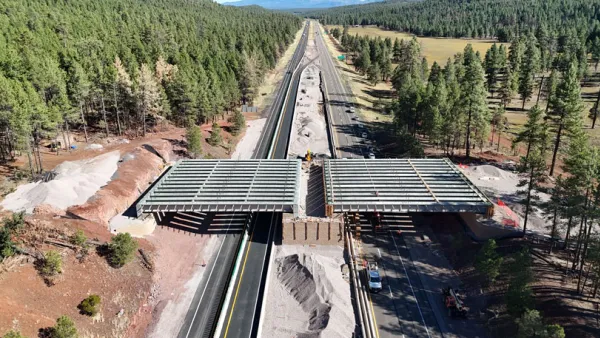
Arizona emerges as national leader in wildlife crossings
Arizona has been building bridges to prevent wildlife-vehicle collisions at various hotspots throughout the state.

Once a year, Maine roads become highways for amphibians
The 'Big Night' brings out volunteers to help frogs, salamanders, and other migrating amphibians cross roads to reach their breeding grounds.

Planetizen Federal Action Tracker
A weekly monitor of how Trump’s orders and actions are impacting planners and planning in America.

Amtrak, CN end decades-long dispute with eight-year agreement
The new operating agreement establishes an updated framework for the companies to work together, including processes to resolve disputes.

Northwest rail fans eager for Sept. 30 debut of Amtrak’s Airo fleet
Get ready for that new train smell and more seats. But they won’t go faster or run more frequently on the Cascades route in Washington and Oregon.

LAX SkyLink opening delayed again, contractor won’t commit to new deadline
The project was supposed to open its doors to the public in 2023.

Caltrain may slash over one-third of its stations
If Bay Area voters reject two transit tax measures, Caltrain, BART and AC Transit will see steep service cuts.

A 'dangerous' precedent: North Carolina successfully pressures communities into voting for toll roads
Two mayors resigned from the Charlotte Regional Transportation Planning Organization after it voted in favor of the toll roads.

FREE Course: Walkable City 1: Why Walkability?
After describing his path towards focusing on walkability as the essence of good planning, Jeff Speck marches through his five principal reasons for making more walkable places.
Reinventing Malls: Planning Alchemy—Turning Gray Fields Into Gold
The course focuses on the opportunities and imperatives that shape reinvention of mall sites.

City of Thousand Oaks
City of Wisconsin Rapids
Harvard University Graduate School of Design
The Architects Foundation
University of Cincinnati Online
The Pocatello Development Authority
The Urban Renewal Agency of the City of Pocatello