People in 46 American metropolitan areas breathe air that exceeds federal soot levels, according to new figures from the Environmental Protection Agency. Nearly one-third of all Americans live in affected areas.


"More than 100 million people living in 46 metro areas are breathing air that has gotten too full of soot on some days, and now those cities have to clean up their air, the Environmental Protection Agency said Monday."
"The EPA added 15 cities to the sooty air list, mostly in states not usually thought of as pollution-prone, such as Alaska, Utah, Idaho and Wisconsin. That's probably because of the prevalence of wood stoves in western and northern regions, a top EPA official said."
"The EPA notified elected officials in 211 counties in 25 states that their air violated newly tightened daily standards for fine particles of pollution from diesel-burning trucks, power plants, wood-burning stoves and other sources. Those particles, often called soot, can cause breathing and heart problems."
"These lists of what EPA calls "nonattainment areas" are important because regions that have air that is too sooty must come up with plans by 2012 on how to clean it and then do it by 2014."
FULL STORY: More than 100 million Americans breathe sooty air

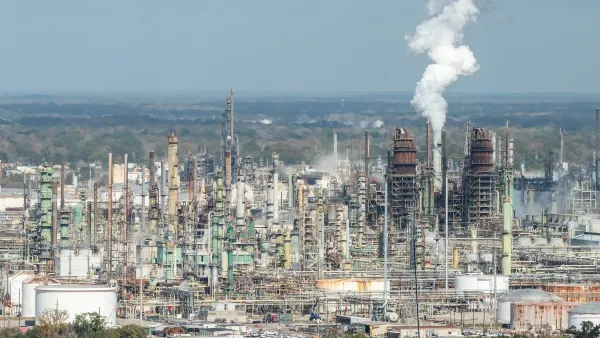
EPA to Stop Considering the Cost of Lives Saved in Setting Pollution Limits
The agency will no longer quantify the monetary gains from health benefits from curbing air pollution.
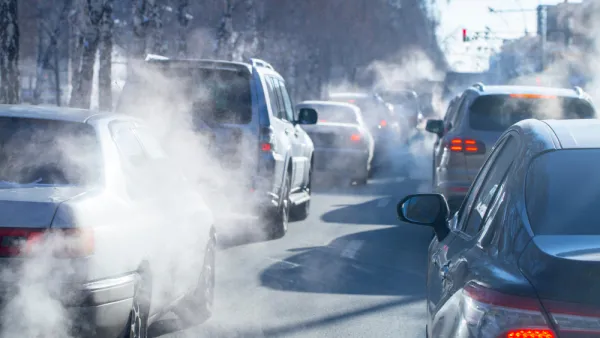
House Moves to Rescind California’s Emissions Standards
The state has been allowed to set its own emissions goals, including a mandate to transition to electric or zero-emissions vehicles by 2035.
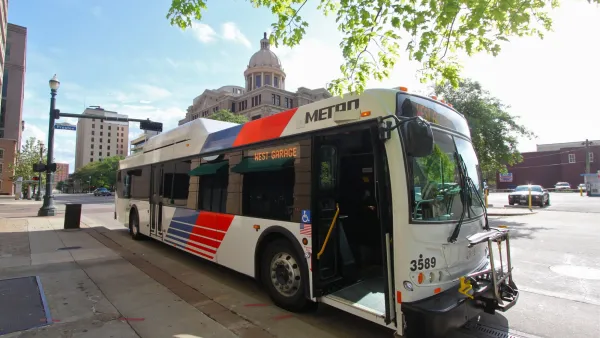
Houston Transit Agencies Offer ‘Free Fare Fridays’ for Ozone Action Month
Harris County is one of several Texas counties that failed EPA standards for clean air in recent years.

The state-sanctioned urbicide of Austin
People don’t kill cities. Freeways do.

US to reduce Colorado River water deliveries to Mexico
A new Colorado Treaty amendment reduces Mexico’s Colorado River water allocation by 250,000 acre feet.

New Jersey’s second-largest city bans standalone data centers
Jersey City will continue to allow co-location facilities, such as those meant for research institutions that store their own data.

Amtrak not solely to blame for New Jersey commuter rail's unreliability, report finds
A new study from the Garden State Initiative found that NJ Transit’s budget grew 20% across a 4 year period, but reliability declined significantly over the same period.

EPA erases limits on planet-warming pollution from power plants
Under Monday’s plan, power plants would still have some limits on how much mercury, arsenic and other contaminants they can emit.

Phoenix announces new on-demand transit service, more frequent RAPID buses
Both new services will launch in October, and are part of Phoenix's Project Effective Access Solutions for Easing Congestion.

FREE Course: Walkable City 1: Why Walkability?
After describing his path towards focusing on walkability as the essence of good planning, Jeff Speck marches through his five principal reasons for making more walkable places.
Reinventing Malls: Planning Alchemy—Turning Gray Fields Into Gold
The course focuses on the opportunities and imperatives that shape reinvention of mall sites.

Eagle County Government
Harvard University Graduate School of Design
Nashville Planning Department
The Architects Foundation
University of Cincinnati Online
The Pocatello Development Authority
The Urban Renewal Agency of the City of Pocatello
Journal of the American Planning Association