The Canadian Parks and Wilderness Society warns that industry could jump on Nahanni National Park Reserve and stake claims when an interim ban ends in October unless the federal government grants the reserve permanent protected status.


"Then-prime minister Pierre Trudeau originally set aside the Nahanni in 1972 to protect it from proposed hydro-electric development after he was struck by the area's rugged beauty. A mighty river meanders through craggy canyons, plunging in thunderous plumes at mammoth waterfalls along the way. Wolves, grizzly bears, lynx and woodland caribou roam the dense boreal forest.
The United Nations later designated the area as a world heritage site in 1978.
At first, only 5,000 square kilometres were protected. Over the years, Ottawa has granted protected status to a swath of reserve surrounding the park.
The first expansion came in 2003, when the Dehcho First Nations gave Parks Canada temporary protection of an additional 23,000 square kilometres in the area through an interim land-withdrawal process.
The reserve's boundaries grew again last summer when Prime Minister Stephen Harper announced another 5,400 square kilometres of land would be barred from further development. All told, the park and reserve together now encompass an area that's nearly five times the size of Prince Edward Island.
But all this expansion has created a confusing patchwork in which the park is permanently off-limits to development while the reserve around it is only temporarily protected."
Read the full story: Ottawa urged to firm up national park's boundaries to stem resource grab

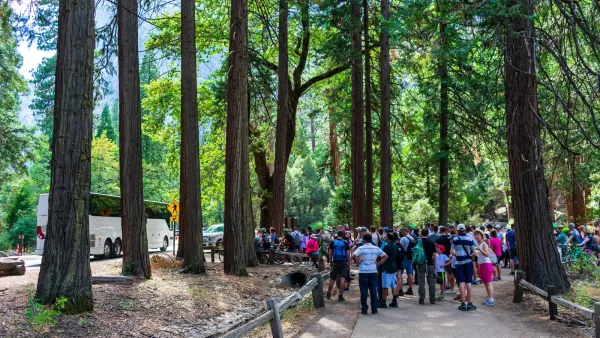
Yosemite crowds wait hours to enter park after NPS ends reservation system
Bumper-to-bumper traffic and a lack of parking foreshadowed a potentially chaotic summer.
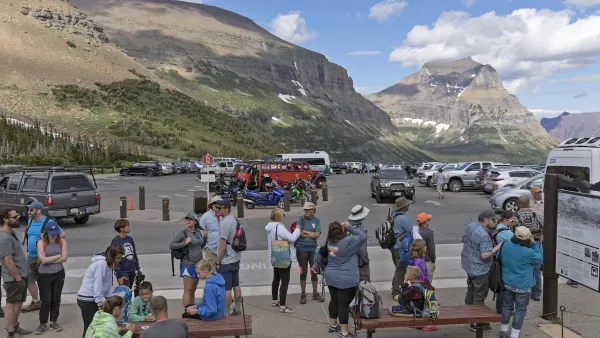
Glacier National Park drops reservation requirement, plans to double down on shuttle network
Since 2021, visitors with cars have had to make a reservation to access the park.
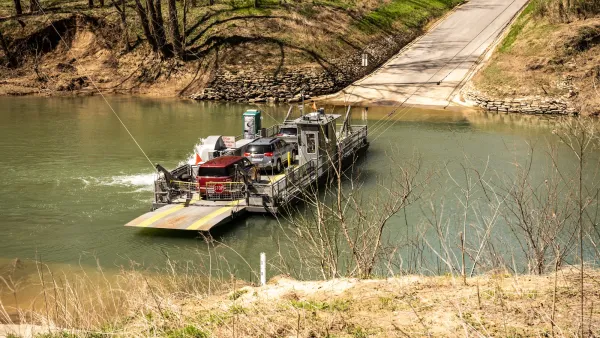
Nation’s Shortest Car Ferry Travels Just 200 Feet in a National Park
The Green River Ferry shuttles cars in a 30-second trip.

Planetizen Federal Action Tracker
A weekly monitor of how Trump’s orders and actions are impacting planners and planning in America.

Amtrak, CN end decades-long dispute with eight-year agreement
The new operating agreement establishes an updated framework for the companies to work together, including processes to resolve disputes.

Northwest rail fans eager for Sept. 30 debut of Amtrak’s Airo fleet
Get ready for that new train smell and more seats. But they won’t go faster or run more frequently on the Cascades route in Washington and Oregon.

Boston sues Trump administration over revoked infrastructure grant
The Trump administration withdrew the infrastructure grant because less than 1% of the money would go to electric vehicle charging infrastructure.

NYC to turn city-owned property into thousands of homes
The city has scheduled a public hearing regarding the development for October.

Buses travel at 5mph along this route in NYC. The Bronx's first-ever busway looks to change that
Prior to the busway, buses on the Bx36 route traveled as slowly as 5 miles per hour.

FREE Course: Walkable City 1: Why Walkability?
After describing his path towards focusing on walkability as the essence of good planning, Jeff Speck marches through his five principal reasons for making more walkable places.
Reinventing Malls: Planning Alchemy—Turning Gray Fields Into Gold
The course focuses on the opportunities and imperatives that shape reinvention of mall sites.

City of Thousand Oaks
City of Wisconsin Rapids
Harvard University Graduate School of Design
The Architects Foundation
University of Cincinnati Online
The Pocatello Development Authority
The Urban Renewal Agency of the City of Pocatello