Nearly 100 million American households have tended a garden or lawn since 2005, a significant increase from years past. According to estimates, much of the rise is due to younger adults getting out in their gardens.


"According to the National Gardening Association (NGA), an estimated record 91 million households participated in one or more types of DIY indoor and outdoor lawn and garden activities in 2005. In 2006, homeowners spent a record $44.7 billion to hire professional lawn and landscape services. Taken together, these figures represent a dramatic increase in gardening interest and expenditures. So where is this growth coming from, and who's expanding the gardening market-a market which has previously been viewed as dying on the vine?"
"The answer, according to many publishers, authors and educators, is young people. In a world going green, the under-35s have taken it upon themselves to make positive use of their natural surroundings. College courses and easily accessible online resources have turned what was once referred to as a middle-aged pastime into a multibillion-dollar-a-year industry."
Read the full story: How Does Our Gardening Grow?


The Ratio of Older People to Children Grew in Every State
Older adults outnumber youth in 11 U.S. states.
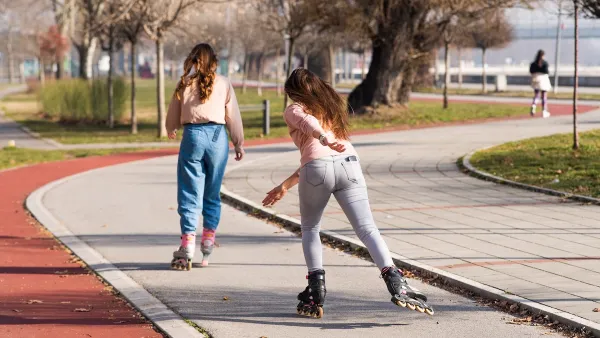
How Public Spaces Exclude Teen Girls
Adolescent girls face unique challenges and concerns when navigating public spaces. We can design cities with their needs in mind.
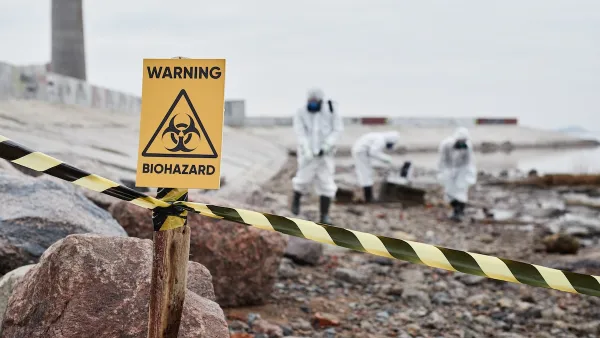
Students Drive Solutions for Environmental Justice Through Video Challenge
The Environmental Justice Video Challenge empowers students and communities to collaboratively address environmental inequities through innovative data-driven strategies, resulting in impactful projects and fostering local leadership.

Amtrak, CN end decades-long dispute with eight-year agreement
The new operating agreement establishes an updated framework for the companies to work together, including processes to resolve disputes.

Judges permit Denver to divert 77,000 acre feet from the Colorado River for reservoir expansion
Overuse and climate change have caused the Colorado River’s water levels to plummet.
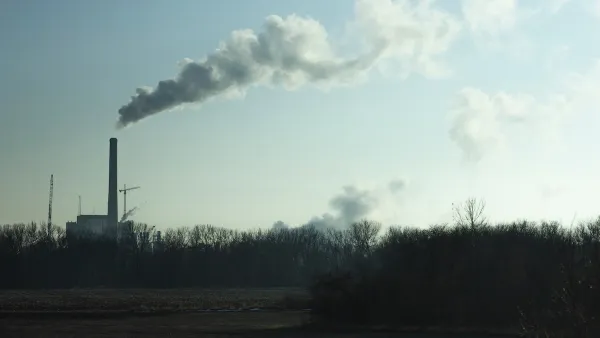
Nation's most wind-powered state turns to coal as data centers increase energy demand
For the first time in decades, Iowa has increased its generation of coal power.

Boston has spent millions making the Green Line more accessible — and there’s no end in sight
While the city has invested millions into expanding and adding platforms to the Green Line to make it more accessible, new train cars set to arrive next year will be too tall for disabled passengers to board without raising the current platforms.

Idaho may see an 18% drop in federal surface transit funding — the largest estimated cut in the US
Transit systems in rural communities are much more reliant on federal funding to provide their services.

How ‘post-disaster gentrification’ alters neighborhoods after natural calamities
After hurricanes, fires or other calamities, the original residents of a community are often replaced by younger, wealthier residents.

FREE Course: Walkable City 1: Why Walkability?
After describing his path towards focusing on walkability as the essence of good planning, Jeff Speck marches through his five principal reasons for making more walkable places.
Reinventing Malls: Planning Alchemy—Turning Gray Fields Into Gold
The course focuses on the opportunities and imperatives that shape reinvention of mall sites.

City of Wisconsin Rapids
Harvard University Graduate School of Design
KFH Group Inc.
The Architects Foundation
University of Cincinnati Online
The Pocatello Development Authority
The Urban Renewal Agency of the City of Pocatello