Due to various economic conditions, the costs of infrastructure projects nationwide have spiked.


The problems have come as many governments pursue ambitious projects to improve roads and airports, build schools and upgrade long-neglected water and sewer systems. Many of the projects were conceived when money from property, sales and income taxes was steady and interest rates low, but officials say the ground has shifted beneath their feet.
Costs have jumped for projects as varied as levee construction in New Orleans, Everglades restoration in Florida and huge sewer system upgrades in Atlanta. The reconstruction of the Interstate 35W bridge in Minneapolis, a $234 million project, has been fast-tracked for completion by December, and state officials say it is too soon to know whether it will come in on budget.
The impact has been felt in different regions at different times, and not every project has been high-profile. In Oregon, high costs have forced the State Department of Transportation to slow the rate at which it upgrades roads and bridges. In Seattle, school building projects were put on a fast track this fall because of fears of cost overruns.
Read the full story: Building Costs Deal Blow to Local Budgets


Planetizen Federal Action Tracker
A weekly monitor of how Trump’s orders and actions are impacting planners and planning in America.

The state-sanctioned urbicide of Austin
People don’t kill cities. Freeways do.
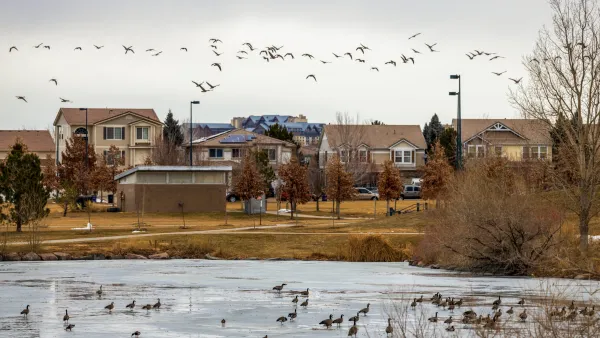
Colorado’s Largest Data Center Could Rise Next to Homes — Without a Public Hearing
The proposed campus would consume 11 times the power of Denver International Airport; as it has across the country, opposition mounts.
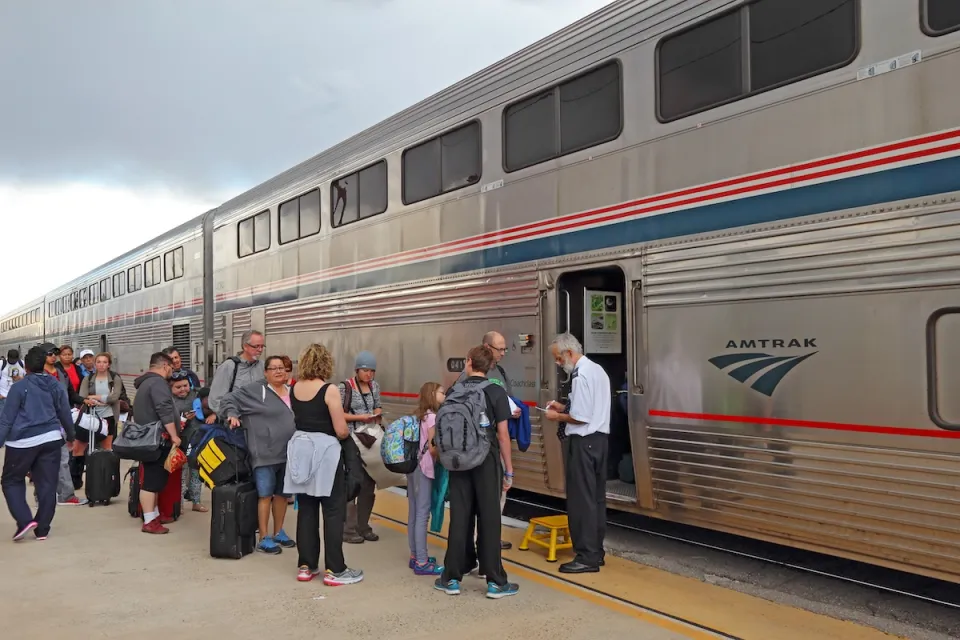
Amtrak, CN end decades-long dispute with eight-year agreement
The new operating agreement establishes an updated framework for the companies to work together, including processes to resolve disputes.
Raised interest rates may kill financially vulnerable construction projects
The chief economist at ConstructConnect warns that if construction project owners are negatively impacted by the raised rates, it could result in delayed payments to contractors.
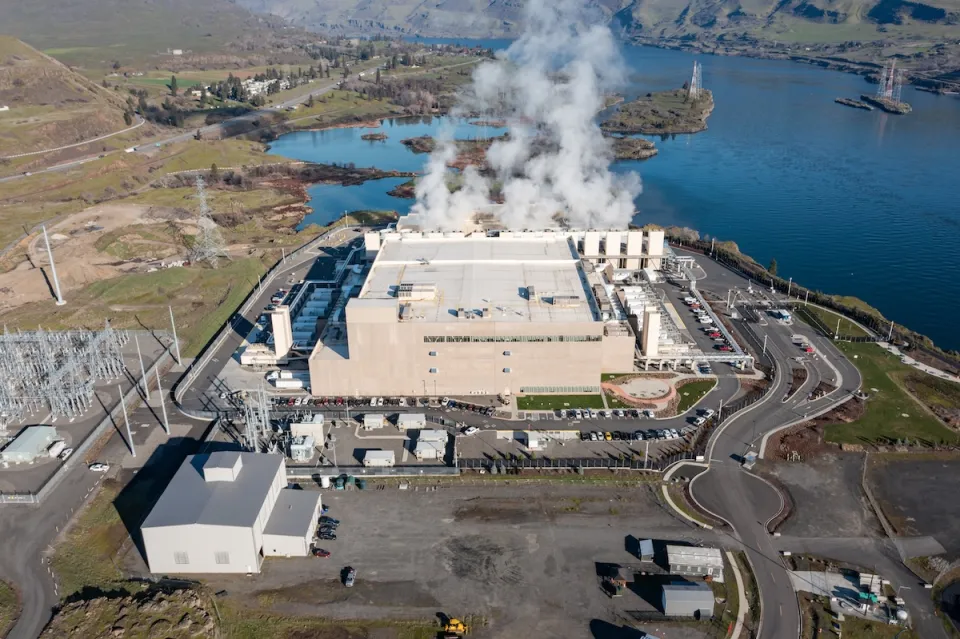
Data centers are consuming nearly 25% of Oregon’s power
The state has 111 data centers, with 32 more either planned or under construction.

FREE Course: Walkable City 1: Why Walkability?
After describing his path towards focusing on walkability as the essence of good planning, Jeff Speck marches through his five principal reasons for making more walkable places.
Reinventing Malls: Planning Alchemy—Turning Gray Fields Into Gold
The course focuses on the opportunities and imperatives that shape reinvention of mall sites.

Greater Baltimore Committee
Eagle County Government
Harvard University Graduate School of Design
The Architects Foundation
University of Cincinnati Online
The Pocatello Development Authority
The Urban Renewal Agency of the City of Pocatello
Journal of the American Planning Association