The recent building spree of high rises in Philadelphia requires more oversight from planners if it is to truly benefit the city, argues one critic.


"Although some Philadelphians will object to any tall building, it's hard to deny that the recent crop of high-rises in Center City and along the rivers has brought an infusion of new glamour and vigor. Tall buildings concentrate a lot of people in a small area, helping to support shops, restaurants and lively street life. Densely populated neighborhoods are a great deterrent against crime - the hot-button issue of the summer - because all those eyes on the street make it harder for criminals to do business.
Still, there is also no denying that big buildings leave big footprints. That's why Philadelphia's towers should be reviewed by someone other than an overworked permit examiner sitting in a basement cubicle at the Department of Licenses and Inspections. A high-rise design must do more than simply conform to a generic zoning code; it needs to adhere to Philadelphia's cherished urban values."
Read the full story: Changing Skyline Towering lack of oversight


Planetizen Federal Action Tracker
A weekly monitor of how Trump’s orders and actions are impacting planners and planning in America.

The state-sanctioned urbicide of Austin
People don’t kill cities. Freeways do.
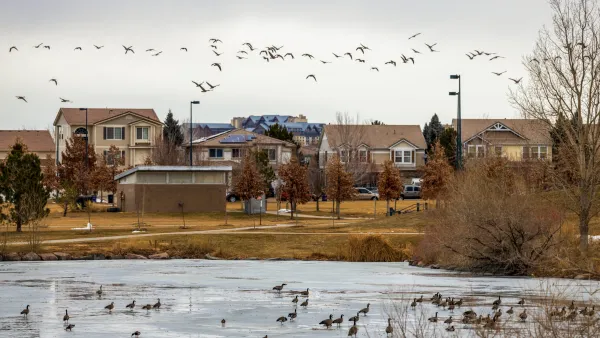
Colorado’s Largest Data Center Could Rise Next to Homes — Without a Public Hearing
The proposed campus would consume 11 times the power of Denver International Airport; as it has across the country, opposition mounts.

Amtrak, CN end decades-long dispute with eight-year agreement
The new operating agreement establishes an updated framework for the companies to work together, including processes to resolve disputes.
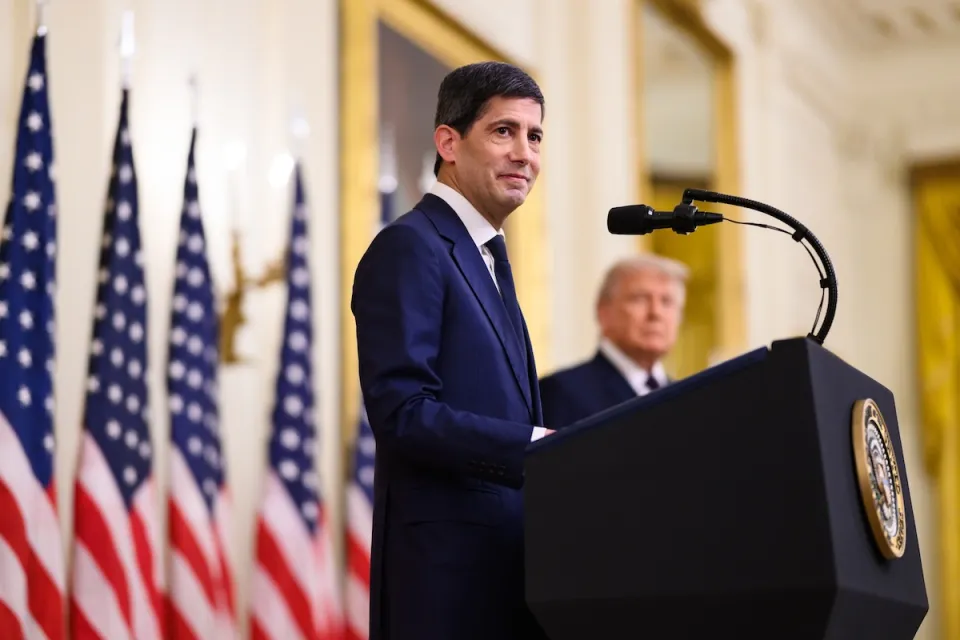
Raised interest rates may kill financially vulnerable construction projects
The chief economist at ConstructConnect warns that if construction project owners are negatively impacted by the raised rates, it could result in delayed payments to contractors.
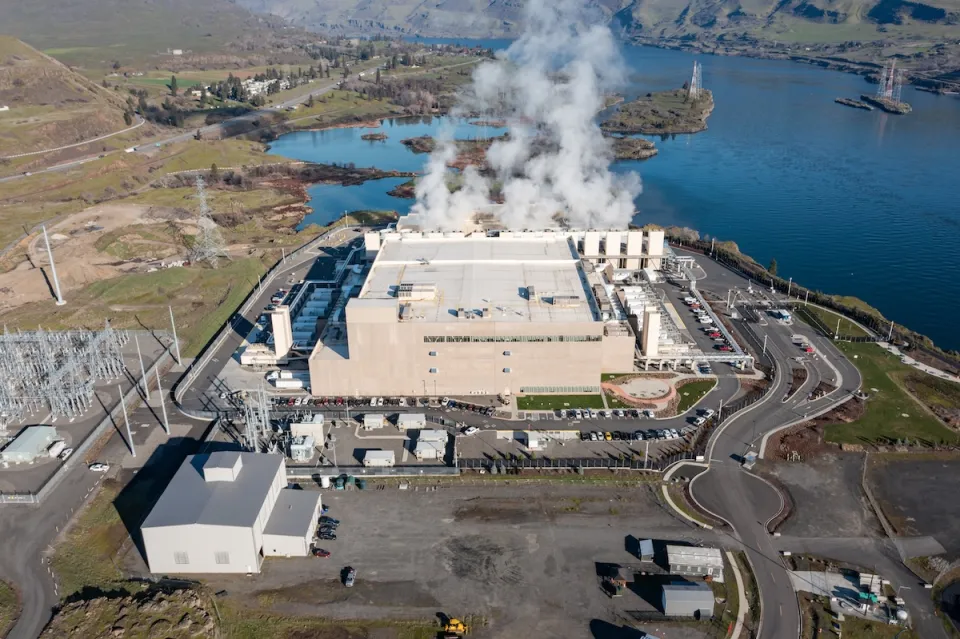
Data centers are consuming nearly 25% of Oregon’s power
The state has 111 data centers, with 32 more either planned or under construction.

FREE Course: Walkable City 1: Why Walkability?
After describing his path towards focusing on walkability as the essence of good planning, Jeff Speck marches through his five principal reasons for making more walkable places.
Reinventing Malls: Planning Alchemy—Turning Gray Fields Into Gold
The course focuses on the opportunities and imperatives that shape reinvention of mall sites.

Greater Baltimore Committee
Eagle County Government
Harvard University Graduate School of Design
The Architects Foundation
University of Cincinnati Online
The Pocatello Development Authority
The Urban Renewal Agency of the City of Pocatello
Journal of the American Planning Association