A couple build their house using corrugated metal shipping containers.


"The structure is eye-catching in its oddity, a standout in a suburban neighborhood of single-story tract houses and recently remodeled two-story homes...Dozens of architects have explored using the strong, weatherproof, steel containers to create inexpensive, environmentally responsible housing. Container-based dwellings have been an option for at least a decade, and have turned up as youth hostels in South Africa, field hospitals in Jamaica, art studios in London and dormitories in Amsterdam...
Insulation is provided by an innovative, NASA-developed ceramic coating, a little thicker than a credit card, sprayed on the interior and the exterior surfaces...The main stairway to the second floor will be enclosed in a translucent box of lightweight acrylic panels, usually found in greenhouses. Precisely finished, formaldehyde-free plywood will be used to form internal walls and partitions, and to lend some warmth to counteract the industrial look of the containers' walls. Prefabricated concrete-board sheets will sheath the climbing wall, saving labor and maintenance costs."
Read the full story: Still playing with the box


Planetizen Federal Action Tracker
A weekly monitor of how Trump’s orders and actions are impacting planners and planning in America.

The state-sanctioned urbicide of Austin
People don’t kill cities. Freeways do.

US to reduce Colorado River water deliveries to Mexico
A new Colorado Treaty amendment reduces Mexico’s Colorado River water allocation by 250,000 acre feet.

Nation's most wind-powered state turns to coal as data centers increase energy demand
For the first time in decades, Iowa has increased its generation of coal power.
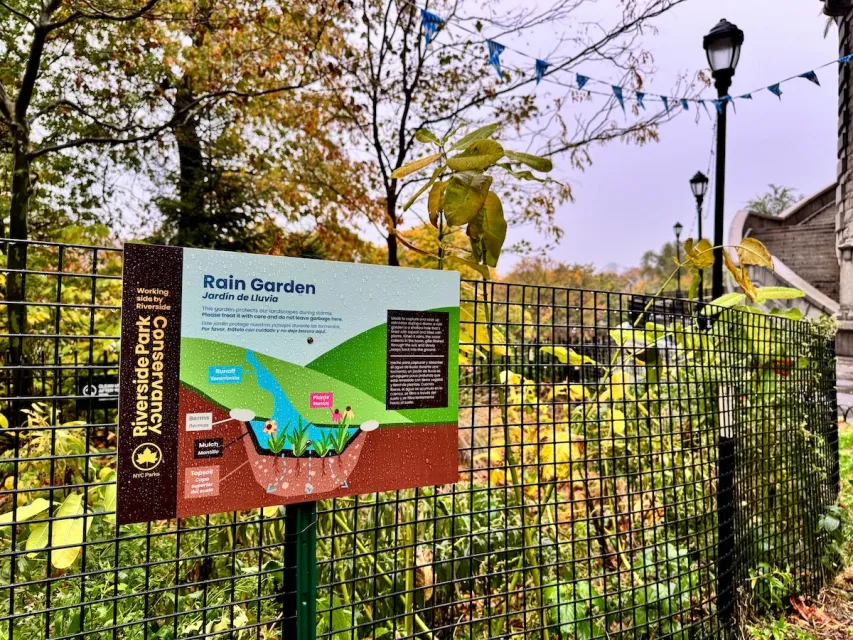
NYC cools commuters with city's first rain garden above a bus stop
New York City officials say the plants in the rain garden can absorb 16 gallons of rainwater during heavy storms.

Brightline West’s future may rely on $6 billion federal loan
The company has until Nov. 2 to make a $400 million equity investment into its proposed high-speed rail line.

FREE Course: Walkable City 1: Why Walkability?
After describing his path towards focusing on walkability as the essence of good planning, Jeff Speck marches through his five principal reasons for making more walkable places.
Reinventing Malls: Planning Alchemy—Turning Gray Fields Into Gold
The course focuses on the opportunities and imperatives that shape reinvention of mall sites.

Eagle County Government
Harvard University Graduate School of Design
Nashville Planning Department
The Architects Foundation
University of Cincinnati Online
The Pocatello Development Authority
The Urban Renewal Agency of the City of Pocatello
Journal of the American Planning Association