A columnist examines the challenges of overpopulation, food planning, and the housing bubble, and concludes that the only event that can correct our environmental overindulgence is a collapse of the oil industry.


"...We must change our culture by rejecting growth as dangerous. The Earth is finite, and we have already gone way down the path of mega-extinctions of species. However, many conscious activists are convinced that there is no overpopulation problem. They believe that the distribution of wealth is where the whole problem lies. It is true that the world would be a different and more fair place if billions of dollars were allocated to the poor instead of for war on the poor.
...While veganism and other good causes are vital both for personal fulfillment and teaching others to live more lightly and compassionately on the Earth, such movements may serve primarily as a "remembered practice" when the survivors of petrocollapse are picking up the pieces and trying to live sustainably. The Earth cannot sustain today’s population of humans, and there is no sign of a concerted size-reduction except perhaps through the worst kinds of crimes and policies that may reduce further the carrying capacity of the planet for humans and most other life.
It is conceivable that a backlash against a major instance of nuclear weapon/waste mismanagement could result in a complete replacement of today’s rulers, resulting in saner policies and more humane, planned population reduction. However, we all may have run out of time for that. So perhaps the best hope is that petrocollapse -- and the advent of a more nature-respecting culture that would follow -- will bring about stable population size. Meanwhile, the housing bubble will burst soon, most likely in the context of massive socioeconomic upheaval due to severe energy shortage."
Read the full story: Overpopulation, vegans eating plastic, and the housing bubble


Planetizen Federal Action Tracker
A weekly monitor of how Trump’s orders and actions are impacting planners and planning in America.

Amtrak, CN end decades-long dispute with eight-year agreement
The new operating agreement establishes an updated framework for the companies to work together, including processes to resolve disputes.
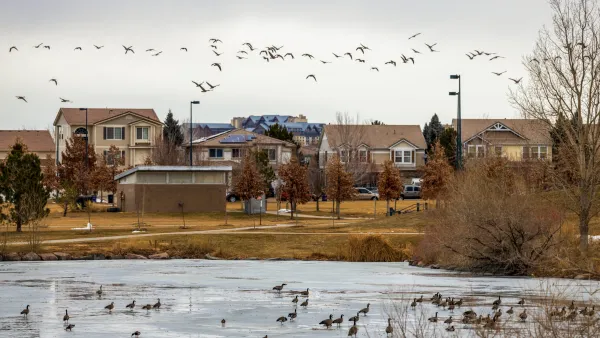
Colorado’s Largest Data Center Could Rise Next to Homes — Without a Public Hearing
The proposed campus would consume 11 times the power of Denver International Airport; as it has across the country, opposition mounts.

'This is going to be painful:’ Virginia stares down $1.7 billion funding gap for highway maintenance
The state may address the deficit by shifting $290 million from its construction budget to maintenance projects.
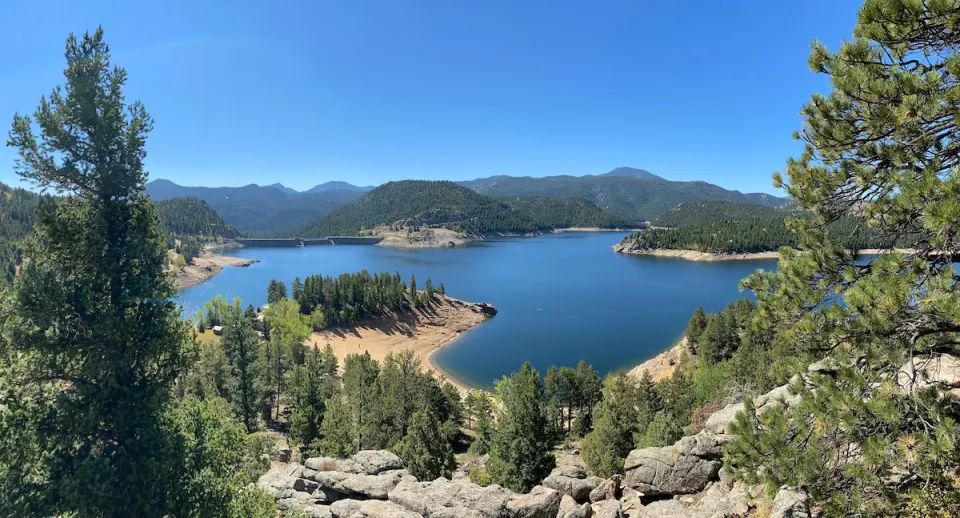
Judges permit Denver to divert 77,000 acre feet from the Colorado River for reservoir expansion
Overuse and climate change have caused the Colorado River’s water levels to plummet.

Amtrak, CN end decades-long dispute with eight-year agreement
The new operating agreement establishes an updated framework for the companies to work together, including processes to resolve disputes.

FREE Course: Walkable City 1: Why Walkability?
After describing his path towards focusing on walkability as the essence of good planning, Jeff Speck marches through his five principal reasons for making more walkable places.
Reinventing Malls: Planning Alchemy—Turning Gray Fields Into Gold
The course focuses on the opportunities and imperatives that shape reinvention of mall sites.

KFH Group Inc.
Greater Baltimore Committee
Eagle County Government
The Architects Foundation
University of Cincinnati Online
The Pocatello Development Authority
The Urban Renewal Agency of the City of Pocatello