Heliopolis was built in 1905 in the middle of the desert, 10 miles from Cairo, as the living image of the contemporary European ideal of a garden city.


"Empain envisioned a clean, spacious oasis city that would attract the indigenous and foreign elites alike... Empains city is believed to have been built on the same site as ancient Heliopolis, or On, as it was known in the Bible. That city was the womb of the Greek intellectual renaissance and a nest for great philosophers, including Plato.
Empains Heliopolis was the living image of the contemporary European ideal of a garden city. Everything was designed to forge a sense of space from the wide avenues and boulevards to public parks and squares. Noteworthy was the uniform oriental flavor of architecture, all forging the feel of a city of its own, governed by strong geometry. The Baron and his staff set strict building regulations, prohibiting any building from exceeding a height of five stories, limiting villas to a maximum height of 15 meters, and specifying that the maximum built area of any plot of land shouldnt exceed 50 percent."
Thanks to Chris Steins
Read the full story: The Baron’s Grand Experiment


Planetizen Federal Action Tracker
A weekly monitor of how Trump’s orders and actions are impacting planners and planning in America.

The state-sanctioned urbicide of Austin
People don’t kill cities. Freeways do.

Colorado’s Largest Data Center Could Rise Next to Homes — Without a Public Hearing
The proposed campus would consume 11 times the power of Denver International Airport; as it has across the country, opposition mounts.

Nation's most wind-powered state turns to coal as data centers increase energy demand
For the first time in decades, Iowa has increased its generation of coal power.
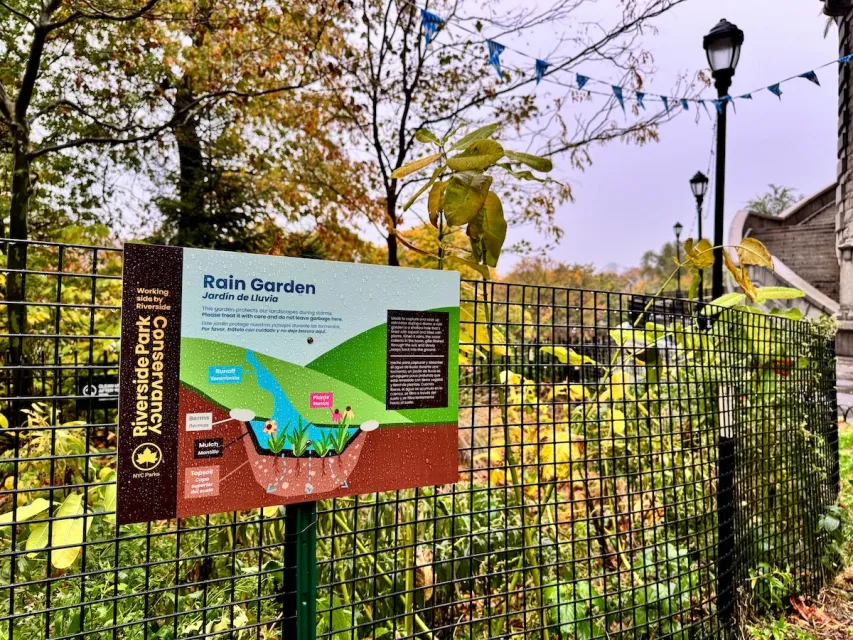
NYC cools commuters with city's first rain garden above a bus stop
New York City officials say the plants in the rain garden can absorb 16 gallons of rainwater during heavy storms.

Brightline West’s future may rely on $6 billion federal loan
The company has until Nov. 2 to make a $400 million equity investment into its proposed high-speed rail line.

FREE Course: Walkable City 1: Why Walkability?
After describing his path towards focusing on walkability as the essence of good planning, Jeff Speck marches through his five principal reasons for making more walkable places.
Reinventing Malls: Planning Alchemy—Turning Gray Fields Into Gold
The course focuses on the opportunities and imperatives that shape reinvention of mall sites.

Greater Baltimore Committee
Eagle County Government
Harvard University Graduate School of Design
The Architects Foundation
University of Cincinnati Online
The Pocatello Development Authority
The Urban Renewal Agency of the City of Pocatello
Journal of the American Planning Association