Over 2 million residents voted on Question 7; it was decided by just over 30,000 votes.


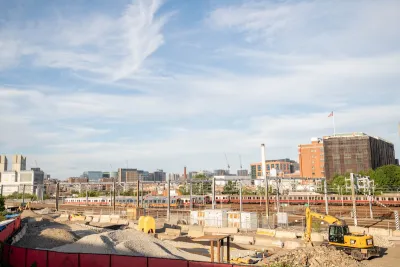
Massachusetts voted against a proposal that would have forced cities and towns to let developers build single-family homes on 5,000 square-foot plots of land, which is smaller than what many municipalities currently allow. Over 2 million residents voted on Question 7; it was decided by just over 30,000 votes.
Those in favor of the bill saw it as a way to increase home construction and lower housing costs, while opponents worried a statewide requirement would limit municipalities' control over housing and zoning, Hannah Reale writes for WGH.
WGH reports that after the measure was called, Adam Chapdelaine, executive director of the Massachusetts Municipal Association, said, “We believe voters recognized that a top-down, one-size-fits-all mandate would have negative consequences in communities, and they shared our concerns about the proposal’s lack of affordability guardrails.”
Meanwhile, WGH reports that Jesse Kanson-Benanav, executive director of Abundant Housing MA, wrote, “More than 1.2 million residents, in urban, suburban, and rural communities voted in support of a more affordable Massachusetts … With high hopes for the future, we remain committed to helping Massachusetts residents achieve the dream of housing stability and homeownership,” after officials announced the results.
Read the full story: Mass. voters reject statewide minimum lot size for single-family homes
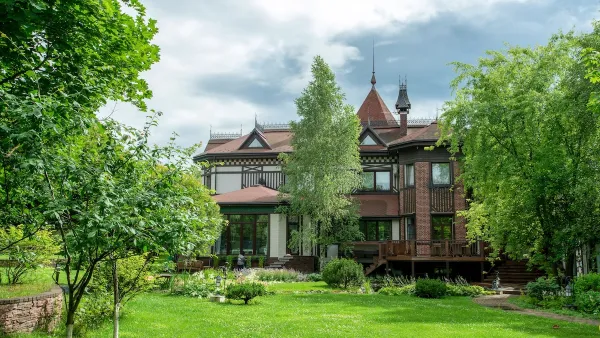
Small single-family homes are illegal in most of MA. Voters can change that
Most land zoned for single-family housing in Massachusetts requires at least 40,000 square feet of land per house.

California, Hawaii, Rhode Island approve housing propositions
Hawaii and Rhode Island each approved their sole proposition, while California approved two of its three.
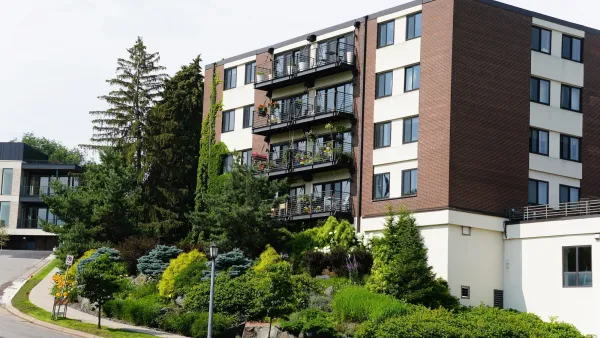
How policy changes helped Minneapolis beat rent inflation
Despite a boom in population, Minneapolis has managed to keep rents relatively steady through a combination of legislative action and private investment.

Desperate measures: Advocates weigh draining Lake Powell to fill Colorado River
Draining the reservoir could reduce evaporation losses by a couple hundred thousand acre-feet.

Eastern Nebraska is running out of electricity
Data centers and electrification are straining eastern Nebraska’s grid, throttling economic development.

Move over, LA: St. Louis gears up for Olympics, invests millions in downtown redevelopment
The Missouri city will host the 2028 Olympic soccer group stage and knockout matches.

Mass. votes against statewide minimum lot size for single-family homes
Over 2 million residents voted on Question 7; it was decided by just over 30,000 votes.

Maryland’s $15 billion bridge project gains key approval
The Maryland Transit Authority said the project will create over 60,000 jobs and add $23 billion to the local economy.

‘No clear next steps’ for Chicago's permanent festival grounds
Eleventh Ward Ald. Nicole Lee has suggested Soldier Field as a possible location for the permanent event space.

FREE Course: Walkable City 1: Why Walkability?
After describing his path towards focusing on walkability as the essence of good planning, Jeff Speck marches through his five principal reasons for making more walkable places.
Reinventing Malls: Planning Alchemy—Turning Gray Fields Into Gold
The course focuses on the opportunities and imperatives that shape reinvention of mall sites.

City of Rosemead
Rutgers University, Edward J. Bloustein School of Planning and Public Policy
One Hundred Miles
University of Michigan School for Environment and Sustainability (SEAS)
Hunter College, City University of New York (CUNY)
The Architects Foundation
City of Cambridge
Montrose County
The Pocatello Development Authority