The $900 million facility would allow Amtrak to maintain entire trains in one building, which the company says will reduce delays.



In a community meeting Amtrak hosted on Sept. 17, residents of Chicago’s Chinatown and Bridgeport communities rallied against Amtrak’s plans for a new rail maintenance facility in their neighborhood, Kade Heather writes for Block Club Chicago.
Amtrak intends to build a roughly $900 million Midwest Maintenance Facility on a two-mile-long property in Chicago. The facility would allow Amtrak to maintain entire trains in one building, potentially reducing delays. The project will not alter Amtrak’s existing service plan.
Residents voiced concerns about potential noise coming from the maintenance facility, as well as the toxic materials found in the site’s soil, which construction work could spread beyond the site. Residents also expressed frustration about Amtrak’s past lack of communication regarding the site: Carmine Giso, who lives about 100 yards from the proposed facility, called the deal “shady.” Block Club Chicago reports:
“I have gotten zero proper information from any of you,” Giso said. “You knew three years ago this was a chosen site, but nobody in this room [told] one single word that we were selected for it.”
Read the full story: Amtrak Rail Yard Plan A ‘Nasty’ Deal For Bridgeport And Chinatown, Neighbors Say At Packed Meeting
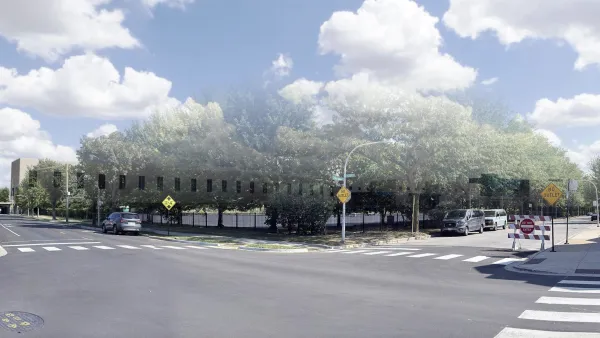
Feds to more closely scrutinize proposed Amtrak facility’s environmental impact
The Federal Railroad Administration had initially said the facility qualified for a less extensive environmental review.

Chicago Amtrak funding makes way for new White Sox stadium
The new funding is the first step in Amtrak vacating its 14th Street rail yard, the future development site of a new baseball stadium.

The Subversive Car-Free Guide to Trump's Great American Road Trip
Car-free ways to access Chicagoland’s best tourist attractions.

Planetizen Federal Action Tracker
A weekly monitor of how Trump’s orders and actions are impacting planners and planning in America.

California plans to bury El Niño’s downpour
If the state plays its cards right, it may be able to store a billion acre-feet of El Niño’s water in aquifers.

Desperate measures: Advocates weigh draining Lake Powell to fill Colorado River
Draining the reservoir could reduce evaporation losses by a couple hundred thousand acre-feet.

Chicago voters approve permanent festival grounds, penalty for vacant property owners
Currently, major summer and fall festivals take over public parks for weeks at a time, drawing criticism from nearby residents

NYC votes to cut outdoor dining red tape, speed up permitting
New York City also voted to allow the Department of Transportation to begin work on urgent projects before notifying elected officials.

California appears to reject Prop. 45
The proposition would have expanded the projects that qualify for a streamlined environmental review, effectively paring down the California Environmental Quality Act.

FREE Course: Walkable City 1: Why Walkability?
After describing his path towards focusing on walkability as the essence of good planning, Jeff Speck marches through his five principal reasons for making more walkable places.
Reinventing Malls: Planning Alchemy—Turning Gray Fields Into Gold
The course focuses on the opportunities and imperatives that shape reinvention of mall sites.

City of Rosemead
Rutgers University, Edward J. Bloustein School of Planning and Public Policy
One Hundred Miles
Hunter College, City University of New York (CUNY)
The Architects Foundation
University of Cincinnati Online
City of Cambridge
Montrose County
The Pocatello Development Authority