As millions of small businesses face ownership transitions, cities trying to revive commercial corridors may be overlooking one of their best sources of new investment: immigrant entrepreneurs.


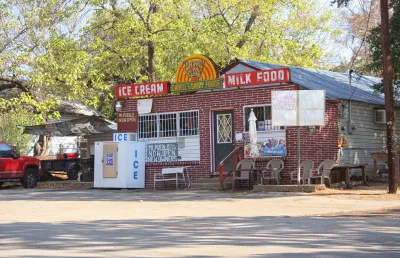
Walk through the older commercial districts of almost any American city and you can feel the problem before anyone shows you a spreadsheet. The restaurant that anchored the block for 30 years is gone. The machine shop owner is ready to retire. The corner store has a handwritten sign in the window and no clear successor behind the counter.
We talk a lot about downtown megaprojects, stadium districts, tax incentives and the next big corporate relocation. Those things matter. But on a lot of Main Streets the more immediate question is simpler and more human: who is going to own and run the next generation of local businesses?
That question is becoming urgent. America is entering what researchers have called the Great Ownership Transfer. By 2035, roughly 6 million small and medium-sized businesses are expected to face ownership transitions as their baby boomer owners retire. McKinsey estimates that more than 1 million of those businesses are viable candidates for sale, representing about $5 trillion in enterprise value.
These are not abstract assets. They are restaurants, repair shops, manufacturers, pharmacies, neighborhood groceries, family firms and local employers.

Here is the part that should keep mayors, planners and economic development officials up at night: not every retirement ends with a sale. Too often, it ends with a closing. A viable business disappears because no buyer is ready, no successor is in place and no system exists to match the owner with the next operator. When that happens, a city loses more than a business. It loses jobs, services, tax revenue, foot traffic, institutional memory and one more reason for people to spend time in that neighborhood.
So maybe the challenge is not only attracting new businesses. Maybe it is also saving the businesses communities already have. One of the most overlooked assets communities already possess may be immigrant entrepreneurs.
An overlooked asset
The data bears this out. Immigrants start businesses at high rates and play an outsized role in local commerce. The Immigration Research Initiative has found that immigrants account for about 21% of all business owners and 27% of Main Street business owners in the United States. In plain English, immigrants are already a key part of the businesses that keep the lights on in American neighborhoods.
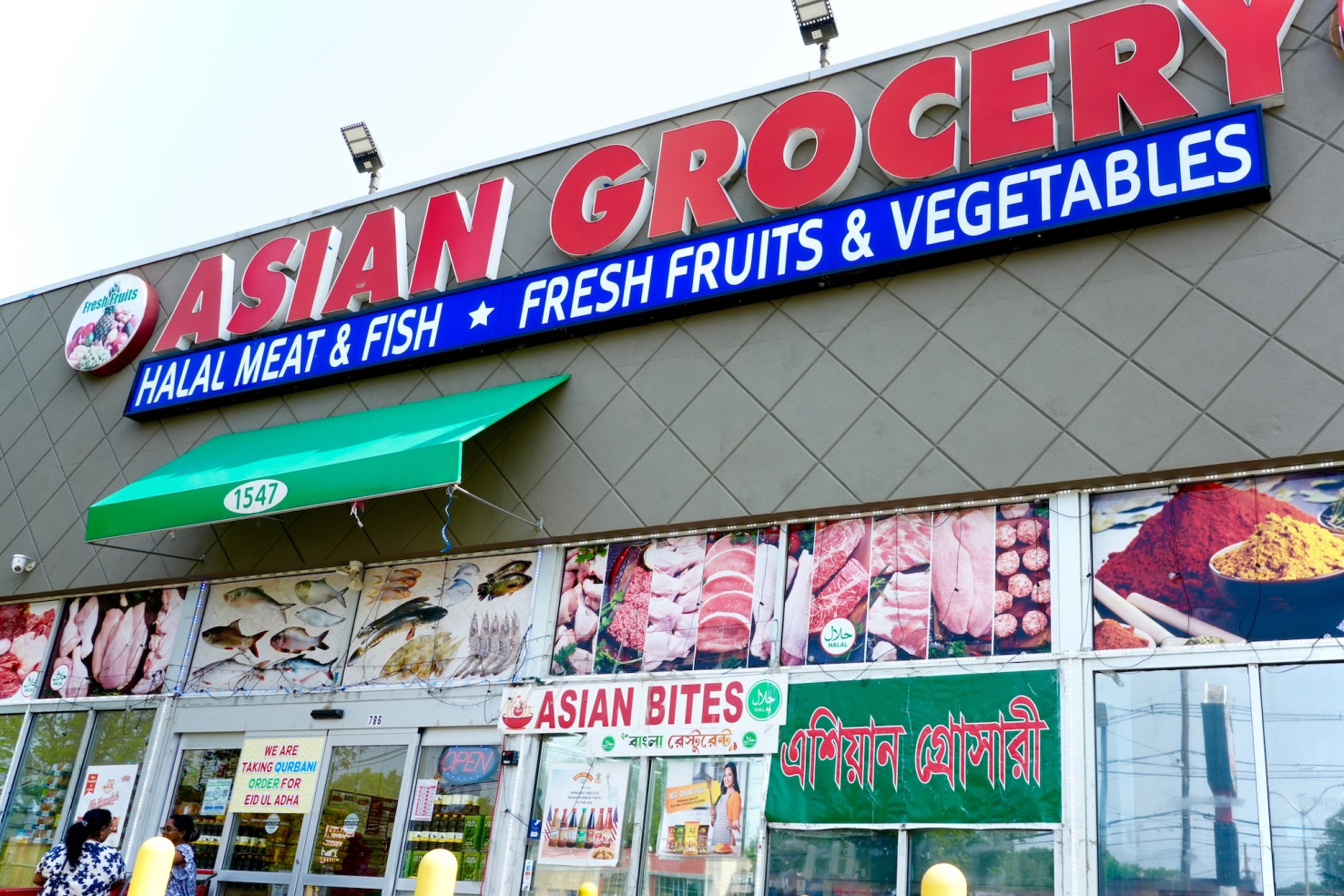
We often describe immigrant entrepreneurship too narrowly. We talk about startups, jobs and economic output — and those are all important. Yet every business also occupies space. A restaurant fills a vacant storefront. A small manufacturer reuses an older industrial building. A grocery store brings people back to a tired commercial strip. A family that buys a business often also buys a home, joins a school district, worships nearby and puts down roots.
That means entrepreneur attraction is not just an economic development strategy: It is a neighborhood strategy. It is a downtown strategy. It is a commercial corridor strategy. In many older cities, it is also a population growth strategy.
At the same time that many American business owners are looking for U.S. market. Some already run successful companies overseas and want a U.S. foothold. Some settled in Canada first because the immigration pathway looked clearer, but still see the United States as the world’s most attractive consumer market. Others are already in New York, Boston, Los Angeles or San Francisco and are getting squeezed by rent, labor costs, housing prices and long commutes.
For many of them, the question is not whether they want to reach the American market. The question is where.
Small towns as engines of opportunity
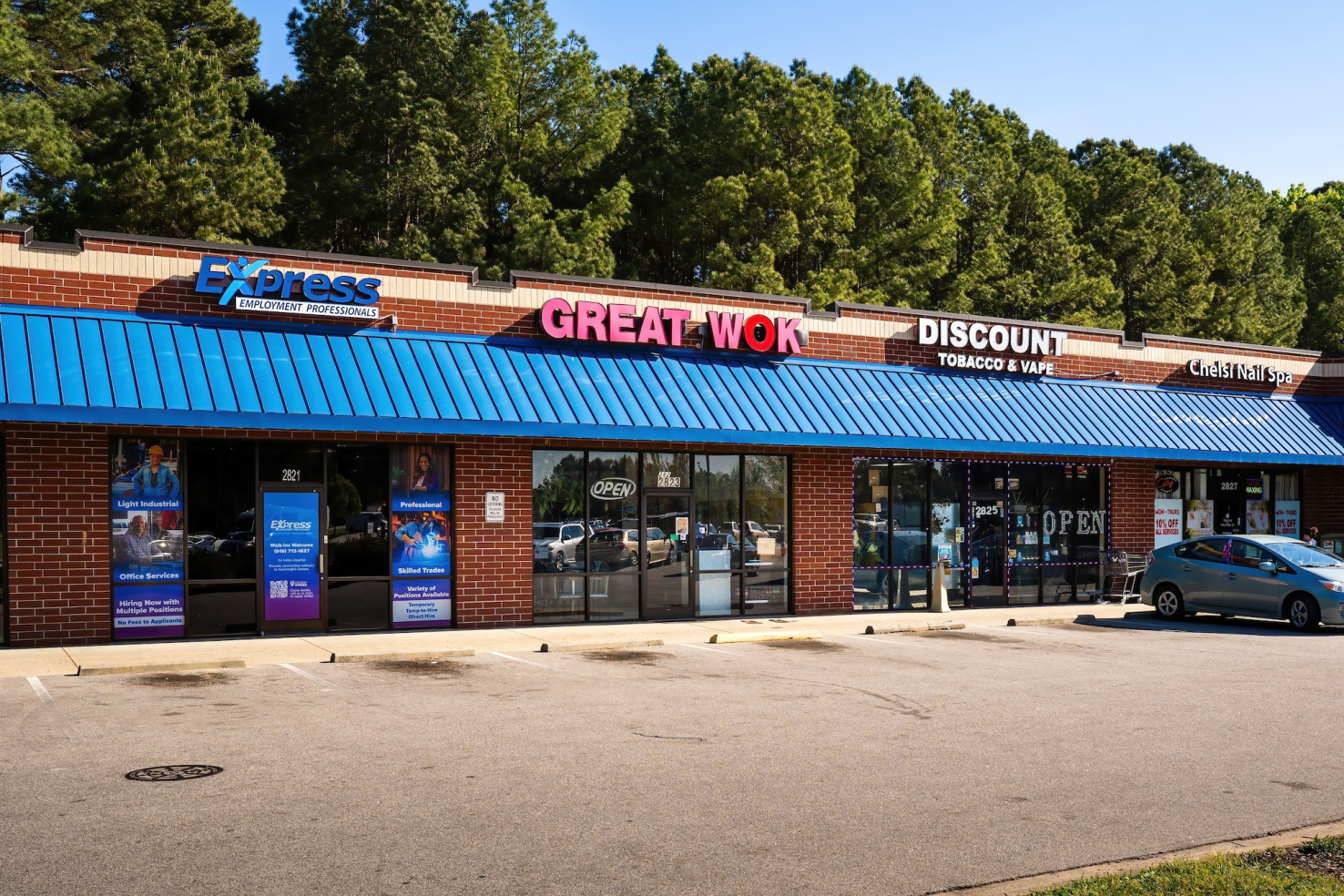
That is where small and mid-sized cities could step in. Immigrant entrepreneurs may be especially well suited for this ownership-transfer moment. Not every entrepreneur wants to invent a new app or raise venture capital. Many are perfectly willing to buy an existing company with customers, employees, equipment, suppliers and a name people already trust. For a retiring owner, that kind of buyer can mean continuity. For a city, it can mean one less darkened storefront and one more employer that stays in the community.
Local leaders also do not need to wait for Congress to invent a new immigration program before acting. Federal pathways already exist. The E-2 Treaty Investor visa can support qualifying investors from treaty countries. The L-1 visa can help international companies expand into the United States by transferring managers or executives. The EB-5 Immigrant Investor Program can support larger job-creating investments. City halls do not decide who qualifies for these visas, and they should not pretend they do. But they can make sure entrepreneurs who are already exploring the United States know that their city is open, practical, affordable and ready to help them land.
Entrepreneurs rarely move alone. They bring spouses, children, parents, employees, customers, suppliers and dreams for the next generation. They care about schools, housing, safety, healthcare, parks, commutes and whether their children can build a future there. In other words, they evaluate cities the same way any family does.
This is where many older industrial cities have more to sell than they realize. A family priced out of Toronto, Brooklyn or Boston may look very differently at Cleveland, Buffalo, Erie, Dayton, Rochester, Toledo or Schenectady. The commercial space may be cheaper. The house may be more attainable. The commute may be saner. The civic leadership may be more accessible. For an entrepreneur trying to enter the American market, that combination can be a powerful draw.
The power of community networks
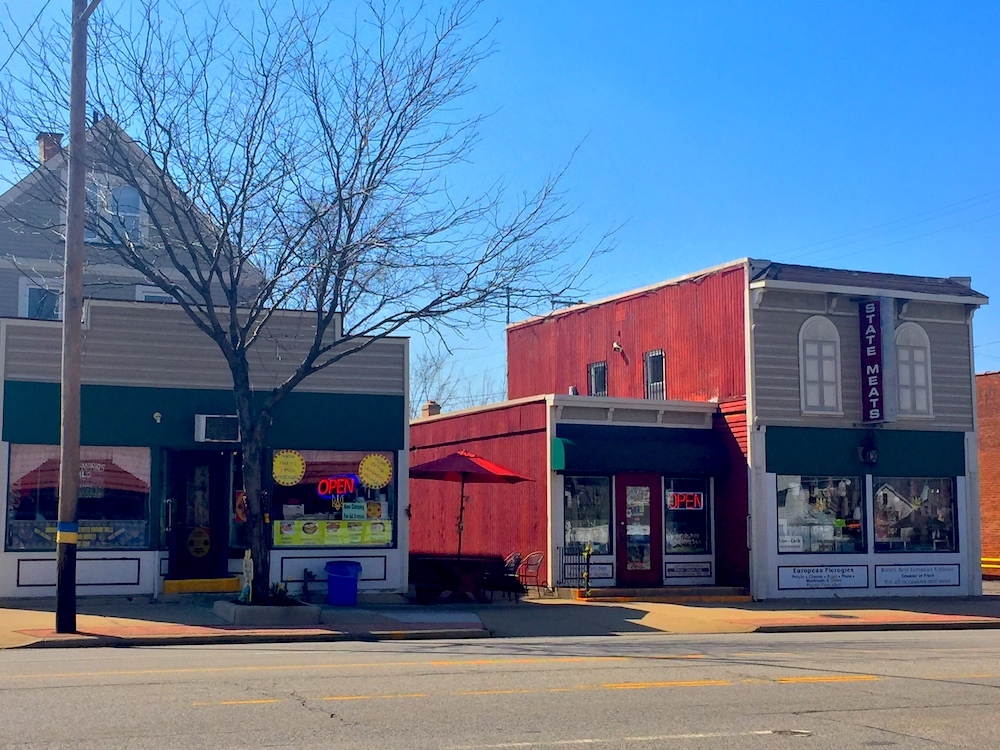
Some communities also have an asset that rarely shows up in a redevelopment plan: immigrant networks. Take Parma, Ohio. The city recognizes both Ukrainian Village and Polish Village, and Cleveland Historical describes Parma’s Ukrainian Village as a long-standing settlement with roots going back decades.
Those are not just cultural markers. They are economic infrastructure. They can offer language support, trusted introductions, informal financing channels, customer networks, church and civic connections and a sense that a newcomer will not have to start from zero.
Planners routinely inventory land, buildings, utilities, roads, transit and zoning. They should also inventory diaspora networks, cultural institutions, language capacity, sister-city relationships, international business ties and immigrant-serving organizations. Those assets may have as much to do with where an entrepreneurial family chooses to settle as the square footage of a storefront.
Schenectady, New York is an exemplary story that more cities ought to know. Years ago, it was contending with the typical issues faced by older industrial towns: a dwindling population, vacant homes, closed businesses and a sense of uncertainty about the future.
But Schenectady did not just wait for a miracle. Local leaders looked downstate to New York City’s Guyanese-American community and effectively said: "Come to Schenectady. Buy a house. Open a store. Raise your kids. Make this place your home." The city actively recruited Guyanese-American families from New York City, understanding something too many cities still miss: immigrant families are not just seeking opportunity — they bring opportunity with them.
In Schenectady, that bet paid off. Later research on Guyanese immigration, homeownership and neighborhood change in Schenectady found that this migration was connected to more homeownership, stronger neighborhoods and economic revival in a city that badly needed all three.
More recently, Global Detroit showed how immigrant inclusion can be tied to neighborhood revitalization, entrepreneurship and population growth. Global Cleveland has pursued a similar idea in Northeast Ohio, positioning international newcomers as part of the region’s economic future.
Welcoming immigrants is city-building
These efforts are not charity. They are city-building. Every city has a corridor full of vacant storefronts that officials want to revitalize. The answer will not always come from a national chain, a big developer or another public subsidy. Sometimes it will come from a family looking for a practical entry point into the American market and a place where their children can grow up with opportunity.
Immigrant entrepreneur attraction should be part of the planning conversation. Communities trying to reactivate commercial corridors, reduce vacancy, preserve local employers, grow the tax base and stabilize neighborhoods are ultimately looking for people willing to invest in place. Immigrant entrepreneurs are already doing that across the country. The question is whether more cities will compete for them intentionally.
This does not mean every immigrant entrepreneur will succeed, or that immigration policy alone can fix disinvestment. It cannot. Cities still need good schools, safe streets, reliable services, transparent permitting, access to capital and basic competence at City Hall.
But if a city is serious about preserving Main Street, it should be serious about who will own Main Street. Every vacant storefront tells a story about a missing entrepreneur, and every successful business transition tells a story about someone willing to take a chance on a place. As millions of business owners prepare to retire, cities face a choice. They can watch the Great Ownership Transfer happen around them, or they can compete for the people willing to write Main Street’s next chapter.
The communities that understand this first may discover that the future of Main Street depends not only on the blocks and buildings they preserve, but on the people they welcome into them.
—
Richard T. Herman is a Cleveland-based immigration attorney, entrepreneur and co-author of Immigrant, Inc.: Why Immigrant Entrepreneurs Are Driving the New Economy. He helped advance early efforts that contributed to Global Cleveland and Global Detroit, initiatives focused on attracting talent, entrepreneurs and investment to legacy cities.


Planetizen Federal Action Tracker
A weekly monitor of how Trump’s orders and actions are impacting planners and planning in America.

Amtrak, CN end decades-long dispute with eight-year agreement
The new operating agreement establishes an updated framework for the companies to work together, including processes to resolve disputes.

Northwest rail fans eager for Sept. 30 debut of Amtrak’s Airo fleet
Get ready for that new train smell and more seats. But they won’t go faster or run more frequently on the Cascades route in Washington and Oregon.

LAX SkyLink opening delayed again, contractor won’t commit to new deadline
The project was supposed to open its doors to the public in 2023.

Caltrain may slash over one-third of its stations
If Bay Area voters reject two transit tax measures, Caltrain, BART and AC Transit will see steep service cuts.

A 'dangerous' precedent: North Carolina successfully pressures communities into voting for toll roads
Two mayors resigned from the Charlotte Regional Transportation Planning Organization after it voted in favor of the toll roads.

FREE Course: Walkable City 1: Why Walkability?
After describing his path towards focusing on walkability as the essence of good planning, Jeff Speck marches through his five principal reasons for making more walkable places.
Reinventing Malls: Planning Alchemy—Turning Gray Fields Into Gold
The course focuses on the opportunities and imperatives that shape reinvention of mall sites.

City of Thousand Oaks
City of Wisconsin Rapids
Harvard University Graduate School of Design
The Architects Foundation
University of Cincinnati Online
The Pocatello Development Authority
The Urban Renewal Agency of the City of Pocatello

