SB 840 allows developers to build multifamily housing by-right on lots zoned for commercial use without applying to a zoning change.


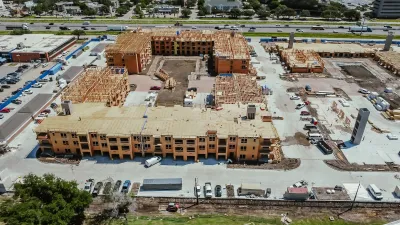
A new Texas state law has indirectly stimulated the production of at least 7,235 new housing units, according to a report from a bipartisan coalition.
In an op-ed, the Dallas Morning News Editorial Board notes that despite opposition from some NIMBY groups and local governments, the law has proven successful in getting more apartments built, directly facilitating over 1,250 units.
The law, SB 840, allows developers to build multifamily housing on commercially zoned land without having to request a zoning variance. "The coalition that authored the report — Texas Appleseed, the American Enterprise Institute and Texans for Reasonable Solutions — identified multifamily applications that would not have been allowed before SB 840 and other projects whose rezoning was made easier by the law."
While some cities are trying to limit the impact of the law, others are embracing it. Dallas aligned its local rules with the state law and tracks the use of SB 840 in permit applications, which makes it easier to understand the law's effects.
Read the full story: Texas’ anti-NIMBY housing law is getting results
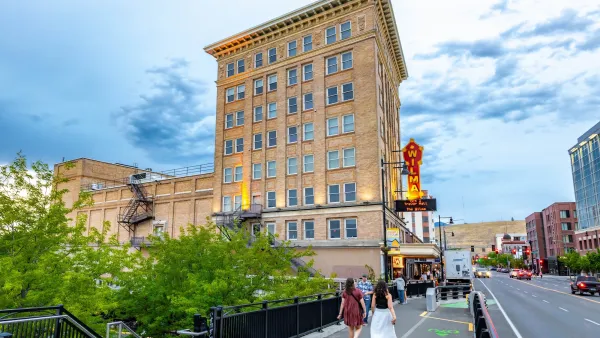
Missoula Approves Zoning Reform Emphasizing More Diverse Housing, Walkability
The city’s new zoning code, map, and development standards will guide more expansive housing options and improved walkability.
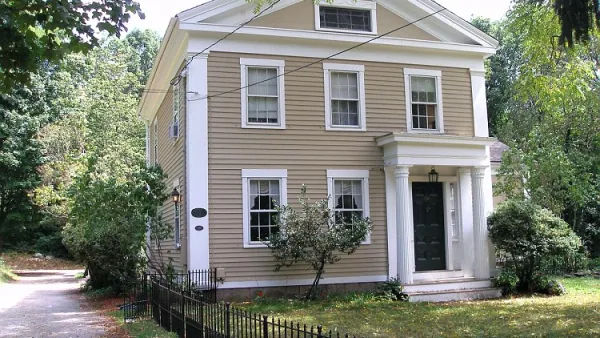
Small Connecticut Town Approves Controversial 96-Unit Apartment Complex
Just 1.4 percent of housing in the affluent enclave of Woodbridge qualifies as affordable.
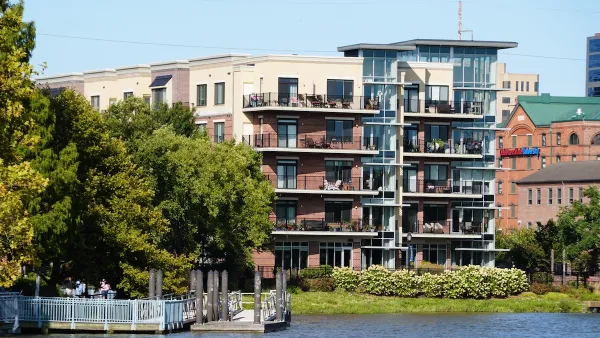
Delaware Governor Could Force Cities to Upzone
Gov. Meyer says the state will work with cities to encourage land use reforms that make room for more affordable housing types, but could take stricter measures if jurisdictions don’t comply.

Desperate measures: Advocates weigh draining Lake Powell to fill Colorado River
Draining the reservoir could reduce evaporation losses by a couple hundred thousand acre-feet.

Eastern Nebraska is running out of electricity
Data centers and electrification are straining eastern Nebraska’s grid, throttling economic development.

Move over, LA: St. Louis gears up for Olympics, invests millions in downtown redevelopment
The Missouri city will host the 2028 Olympic soccer group stage and knockout matches.

Mass. votes against statewide minimum lot size for single-family homes
Over 2 million residents voted on Question 7; it was decided by just over 30,000 votes.

Maryland’s $15 billion bridge project gains key approval
The Maryland Transit Authority said the project will create over 60,000 jobs and add $23 billion to the local economy.

‘No clear next steps’ for Chicago's permanent festival grounds
Eleventh Ward Ald. Nicole Lee has suggested Soldier Field as a possible location for the permanent event space.

FREE Course: Walkable City 1: Why Walkability?
After describing his path towards focusing on walkability as the essence of good planning, Jeff Speck marches through his five principal reasons for making more walkable places.
Reinventing Malls: Planning Alchemy—Turning Gray Fields Into Gold
The course focuses on the opportunities and imperatives that shape reinvention of mall sites.

City of Rosemead
Rutgers University, Edward J. Bloustein School of Planning and Public Policy
One Hundred Miles
University of Michigan School for Environment and Sustainability (SEAS)
Hunter College, City University of New York (CUNY)
The Architects Foundation
City of Cambridge
Montrose County
The Pocatello Development Authority