More and more churches want to use their land to build affordable housing. The public sector can help.



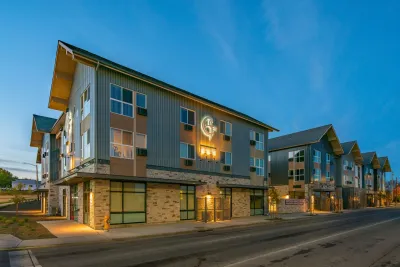
In the past four decades, housing costs have risen far faster than incomes. In 1985, the median home price was 3.1 times the median annual household income. Fast forward to the present, and this ratio has exploded to 5:1. This means we must save more for down payments and take longer to purchase a home for the first time. In 1981, the median age of a homebuyer was 31. In 2024 it was 45.
Of all the issues we face, the housing crisis is one of the most multifaceted. Exclusionary zoning, the rising cost of construction, a decline in public subsidies and so many more factors all play a role. That means that the answer must have many facets, too. Among the most important is increasing the supply of affordable housing. And while the public and private sectors typically get the spotlight here, there is a rising star in the nonprofit sector: religious congregations.
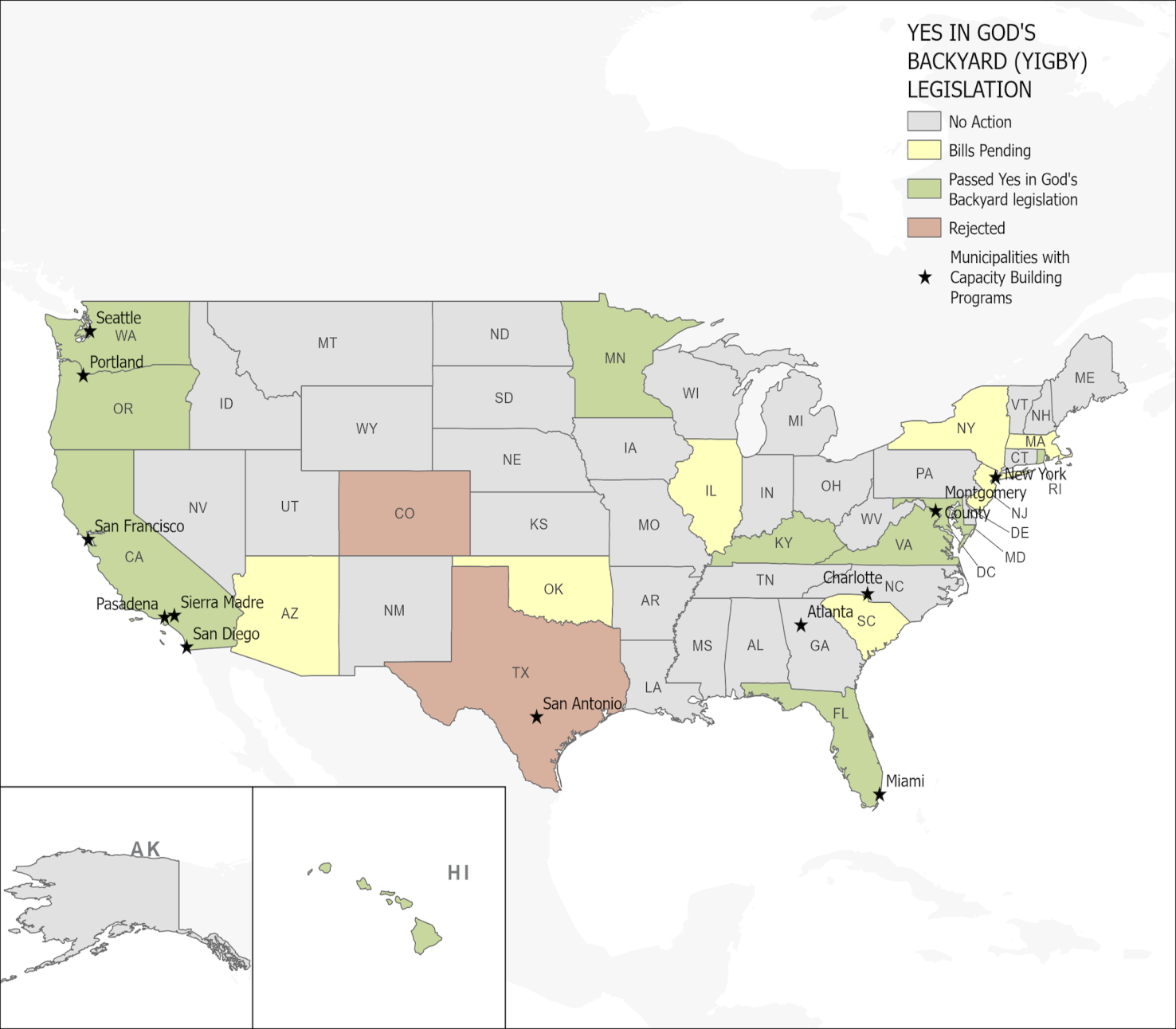
States and municipalities are increasingly recognizing the potential of using faith land to build affordable housing. Several states and municipalities have passed or are considering "YIGBY" legislation — short for Yes in God’s Backyard — that includes zoning reforms, developer incentives and capacity-building programs for faith-based organizations.
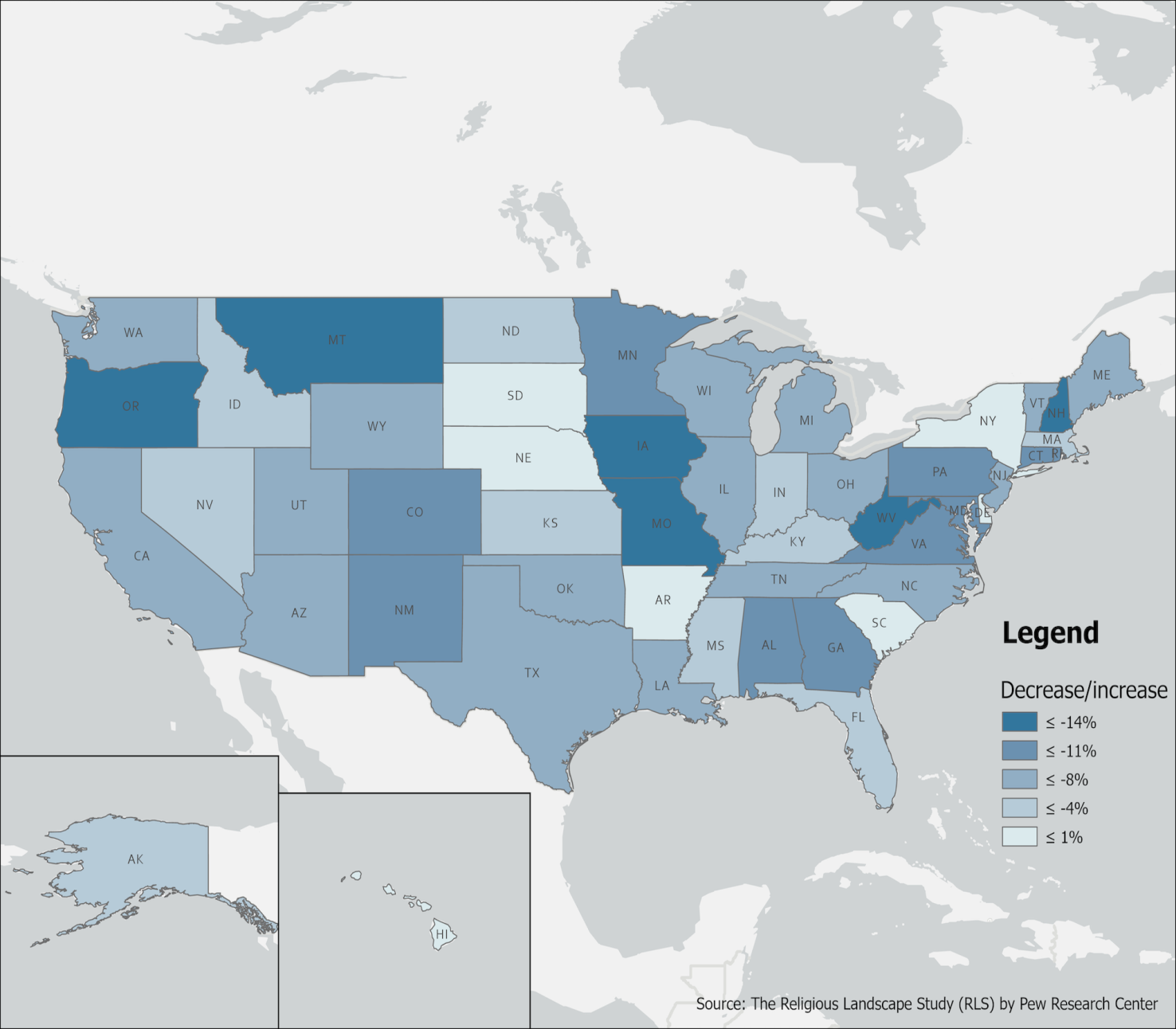
Picture this: the local church in town has experienced a decrease in attendance for the last 20 years. congregants attending services regularly. This has been a recurring pattern in the United States for the last couple of decades. According to the Religious Landscape Study (which surveyed more than 35,000 Americans across all 50 states on their religious affiliations, beliefs and practices, as well as their social, political and demographic backgrounds across multiple decades), between 2014 to 2024 alone, there was a nearly 10% decrease in Christianity across the United States.
With declining religious practice and a rising cost of living, many congregations have found that moving to a more affordable location or developing their underutilized land for other uses may be the best option for survival. But religious leaders often lack the technical knowledge and capacity to move these projects forward.
Cataloguing the YIGBY movement
Until recently, there was relatively little data on this subject. That is now changing.
I recently contributed to a report that aimed to add to this growing body of research. Published by the Ralph W. Voorhees Center for Civic Engagement at Rutgers University under principal investigator, Nadia Mian, PhD, the report shares the findings of a yearlong project in two parts. First, it outlines the Affordable Housing and Shelter on Faith Land Database (an online searchable database cataloguing affordable housing developments and shelters built on religious property in the United States between 2015 and 2025). Second, it provides a report examining trends and patterns that came from the data.
The project report uncovered some interesting insights. For instance, 97% of all affordable developments on land belonging to faith institutions were affiliated with Christian congregations (with many of them being built by the Roman Catholic Church). The rate of projects increased from 2015 to 2025, and most developments were concentrated along the East and West coasts. States such as California and New York had the highest number of affordable faith-based developments, with other states such as Washington, Oregon, Pennsylvania and Massachusetts following.
While unsurprising, another interesting finding was the relationship between church-based developments and rent-burdened states. As the report states, "Developments are heavily concentrated in states experiencing higher rent burden, particularly in California, Oregon, Washington, Colorado, Texas, Florida and across much of the Southeast. The Northeast, Mid-Atlantic and Midwest — including New York, Massachusetts, Michigan and Pennsylvania — also show a high density of developments, reflecting affordability pressures in these areas." While there are some outliers, the trend seems to indicate that most developments occur in states where housing affordability pressure is highest.
There are other important patterns. For instance, the research found that affordable rental (46%) and supportive housing (25%) were the most common types of developments built. The report states that the preference for this type of development over other types suggests a "focus on housing stability and support services rather than wealth building," further emphasizing the magnitude of the housing crisis.
The report also highlights the multitude of funding sources needed to build affordable housing, which poses a major obstacle to development. Understanding which funding sources other congregations use is very helpful. Funding was separated into four groups: Federal, State, Local and Grant and Private/Other Funding.
Low-Income Housing Tax Credits (LIHTC) were the most frequent federal source of funding, functioning in many projects as a catalyst for private investment. At the state level, State Housing Finance Agencies provided state-level tax credits and taxable bonds for the funding of several affordable developments on faith land.
Locally, we found that a lot of municipalities used direct loans and affordable housing trust funds. Methods such as Tax Increment Financing were also highlighted. Finally, entities such as banks, foundations, religious organizations and other private entities helped with either traditional loans or donations.
A catalytic tool
Congregations approaching affordable housing developments need support. It takes an enormous amount of technical knowledge to create a plan to move projects forward at scale. Knowing the right non-profit developer, architect or engineer, or understanding how long a project might take to build, how much an affordable housing project costs and the sources of funding available is crucial. All this is included in the database, which offers a useful tool to anyone interested in building affordable housing on land owned by faith groups.
While affordable housing on church land isn't a panacea for the housing crisis, governments at all levels can collaborate with houses of worship as part of the solution.

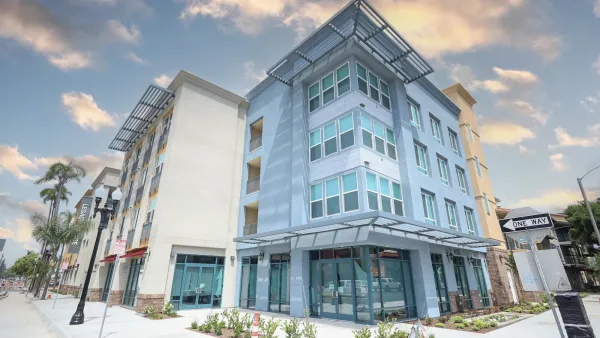
Church-to-housing trend grows in Southern California
Many faith leaders are eager to support housing construction on church land.
Five simple zoning changes that any city can make to increase housing affordability
Zoning for more affordable housing is not rocket science, says Donald Elliot, author of "An Even Better Way to Zone." Here’s his five-step guide to getting started.
The Matchmakers Bringing Churches and Developers Together
Several groups are serving as mediators for faith-based development, helping congregations access funding, navigate long-term development processes, and avoid developer exploitation.

Planetizen Federal Action Tracker
A weekly monitor of how Trump’s orders and actions are impacting planners and planning in America.

Data reveals that NYC’s bet on congestion pricing has paid off
After almost two years of the program, reports show positive impacts on traffic and air quality and no disruptions to parking.

HUD modernizes 50-year-old manufactured housing framework
The Next Generation Manufactured Housing Action Plan establishes new energy-efficiency standards for manufactured homes, and new guidelines for anchoring them.

Developers sue Mississippi landowners who object to pipeline through their land
Because the Federal Energy Regulatory Commission approved the pipeline project, the developer can use private land without the consent of the owner.

A gas leak in NYC is costing residents $300 million
More than 90% of NYC’s electricity is from natural gas. About 2% of that gas is leaking and escaping into the air.

CA officials have the power to fix the state’s riskiest dams. They’ve never used it
California’s 40 most hazardous dams would endanger up to 1.5 million people if they failed.

FREE Course: Walkable City 1: Why Walkability?
After describing his path towards focusing on walkability as the essence of good planning, Jeff Speck marches through his five principal reasons for making more walkable places.
Reinventing Malls: Planning Alchemy—Turning Gray Fields Into Gold
The course focuses on the opportunities and imperatives that shape reinvention of mall sites.

One Hundred Miles
County of Mendocino
planning NEXT
The Architects Foundation
University of Cincinnati Online
Montrose County
Northern Illinois Transit Authority (NITA)
The Pocatello Development Authority

