A beaver restoration program is proving that ancient solutions can help solve modern problems.


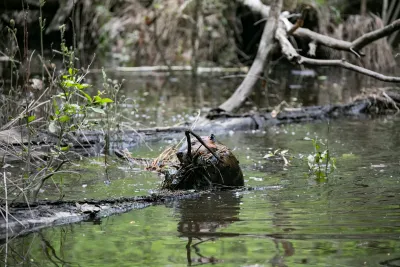
An "unprecedented collaboration" between California Native American tribes and the state's Department of Fish and Wildlife is bringing beavers back to sites from where they had disappeared, reports Kat Hong in Upworthy.
According to Hong, "On October 18, 2023, seven beavers were released into their new home in Tásmam Koyóm, a 2,325-acre valley in Plumas County. By September 2024, the total number of relocated beavers had grown to 28, spread across five release sites."
The relocation program is the first of its kind in 75 years, and the initiative is already showing promising results. "At the Maidu Summit Consortium’s Tásmam Koyóm meadow, which means 'tall grass' in the Mountain Maidu language, relocated beavers have constructed an impressive 328-foot dam, effectively creating a massive wetland complex that has increased water coverage by more than 22% according to CDFW’s April 2025 report."
The beavers' activity benefits water storage, contributes to wildlife prevention efforts and creates natural firebreaks and help improve water quality.
FULL STORY: California brought back beavers for the first time in 70 years, and the results are already amazing

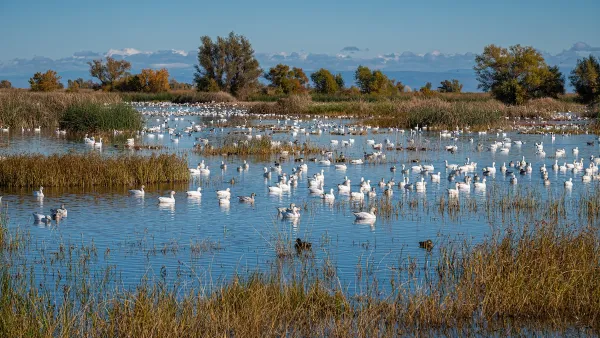
California Lawmakers Move to Protect Waterways
Anticipating that the Trump EPA will reinstate a 2017 policy that excluded seasonal wetlands and waterways from environmental protections.
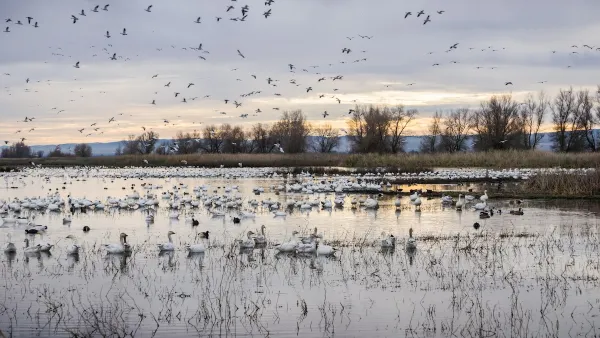
California Secures $360 Million in Federal Funding for Parks, Habitat Restoration, and Clean Transportation
This funding will drive transformative projects across the state, improving access to green spaces, protecting natural ecosystems, and advancing sustainable transportation initiatives.
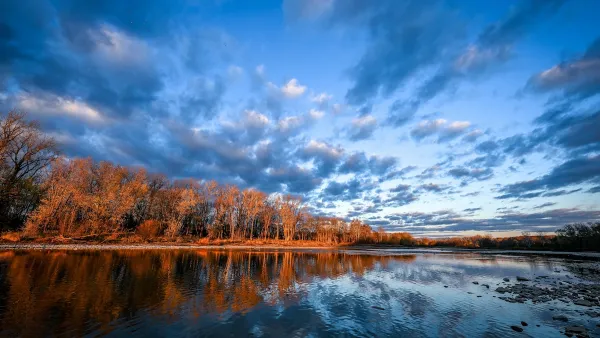
Great Lakes Water Quality Project Seeks to Restore Coastal Vegetation
A plan to restore perennial plants to agricultural land could help reduce runoff and improve water quality across the Great Lakes region.

Planetizen Federal Action Tracker
A weekly monitor of how Trump’s orders and actions are impacting planners and planning in America.

The state-sanctioned urbicide of Austin
People don’t kill cities. Freeways do.

US to reduce Colorado River water deliveries to Mexico
A new Colorado Treaty amendment reduces Mexico’s Colorado River water allocation by 250,000 acre feet.

5 New England states march closer to 800 megawatt wind energy project
Securing federal approval for the project may be complicated under the Trump administration, which has historically been hostile towards domestic wind power.

Baltimore to break ground on $50 million Transit Priority Project
The project will bring faster bus trips, safer streets and better bike connections to Baltimore.

Airbnb launches $250 million 'last-dollar financing' housing accelerator, makes first investment in Austin
The company will put $6.4 million towards affordable housing development in Texas’ capital.

FREE Course: Walkable City 1: Why Walkability?
After describing his path towards focusing on walkability as the essence of good planning, Jeff Speck marches through his five principal reasons for making more walkable places.
Reinventing Malls: Planning Alchemy—Turning Gray Fields Into Gold
The course focuses on the opportunities and imperatives that shape reinvention of mall sites.

Eagle County Government
Harvard University Graduate School of Design
Nashville Planning Department
The Architects Foundation
University of Cincinnati Online
The Pocatello Development Authority
The Urban Renewal Agency of the City of Pocatello
Journal of the American Planning Association