The Emergency Housing Voucher program is ending years ahead of schedule, forcing housing agencies to find new ways to support roughly 70,000 households nationwide.


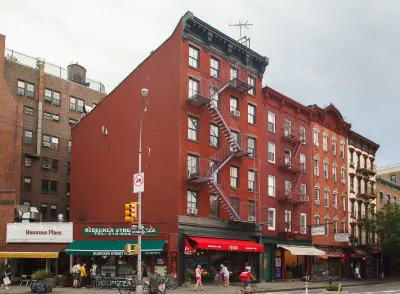
Changes to federal funding are forcing the Emergency Housing Voucher (EHV) program to end years earlier than previously thought, putting tens of thousands of families across the country at risk of losing their housing, report Olivia Holloway and Tom Eschen for CBS 6 Albany.
The program is part of the 2021 American Rescue Plan Act and was designed to last until 2030. It offers housing vouchers to people at immediate risk of homelessness or who have experienced domestic violence and supports roughly 70,000 families, including 9,000 in New York.
According to the article, "The department warned public housing authorities last June to start transitioning recipients to housing choice vouchers – an alternative that some worry will not be enough." The Trump administration has also blocked funding to programs that could have served as transitional supports, such as Section 8.
FULL STORY: Thousands in New York at risk of losing housing aid as voucher program ends early

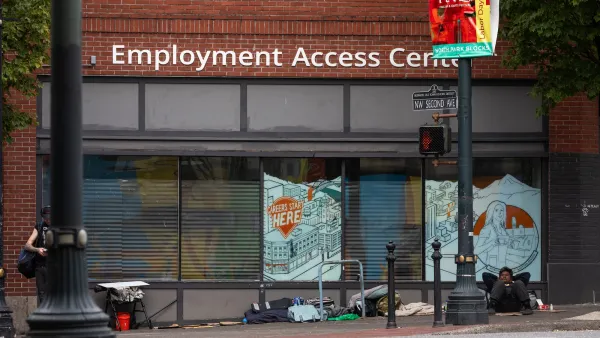
Judge: HUD acted illegally in changing homelessness grant rules
A Rhode Island judge struck down 'partisan' Trump restrictions on Continuum of Care Build grants.
Trump Administration Could Effectively End Housing Voucher Program
Federal officials are eyeing major cuts to the Section 8 program that helps millions of low-income households pay rent.
Blocked, Restored, Blocked Again — Housing Funds in Legal Limbo
Since Trump took office, the administration has blocked multiple affordable housing funding streams. Here's a look at which funds have been frozen, which have been reinstated, and which are in the courts.

Planetizen Federal Action Tracker
A weekly monitor of how Trump’s orders and actions are impacting planners and planning in America.

The state-sanctioned urbicide of Austin
People don’t kill cities. Freeways do.

US to reduce Colorado River water deliveries to Mexico
A new Colorado Treaty amendment reduces Mexico’s Colorado River water allocation by 250,000 acre feet.

5 New England states march closer to 800 megawatt wind energy project
Securing federal approval for the project may be complicated under the Trump administration, which has historically been hostile towards domestic wind power.

Baltimore to break ground on $50 million Transit Priority Project
The project will bring faster bus trips, safer streets and better bike connections to Baltimore.

Airbnb launches $250 million 'last-dollar financing' housing accelerator, makes first investment in Austin
The company will put $6.4 million towards affordable housing development in Texas’ capital.

FREE Course: Walkable City 1: Why Walkability?
After describing his path towards focusing on walkability as the essence of good planning, Jeff Speck marches through his five principal reasons for making more walkable places.
Reinventing Malls: Planning Alchemy—Turning Gray Fields Into Gold
The course focuses on the opportunities and imperatives that shape reinvention of mall sites.

Eagle County Government
Harvard University Graduate School of Design
Nashville Planning Department
The Architects Foundation
University of Cincinnati Online
The Pocatello Development Authority
The Urban Renewal Agency of the City of Pocatello
Journal of the American Planning Association