American sitcoms are full of garage apartments, attic rooms, and pool houses. Why aren't our cities?


A proposed Connecticut state law would allow accessory dwelling units across much of the state, report Thomas Broderick, Casey Camire, and Duncan Craig in CT Insider.
The authors argue that the state should embrace the humble, affordable housing type that was a mainstay in American cities — and pop culture — for decades before becoming illegal in many jurisdictions.
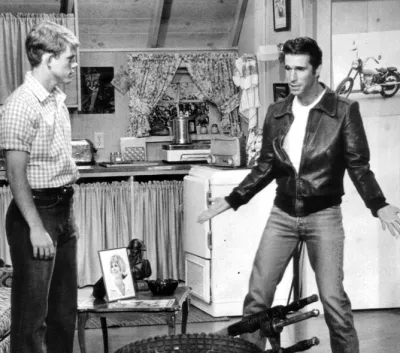
According to the article, ADUs are "as American as apple pie." Fonzie lived above the Cunninghams' garage; Full House's Uncle Jesse lived in Danny Tanner's attic. "Life is complex, and real families benefit from the flexibility offered by ADUs."
The authors offer evidence from Connecticut that shows why ADUs could be a helpful tool in reducing the housing burden on residents. For the authors, "accessory dwelling units are low-impact ways to make our communities more accessible and flexible, allowing downsizing seniors to remain near loved ones and homeowners to earn more money to pay for rising grocery, utility, and childcare costs."
FULL STORY: Opinion: 'Gilmore Girls,' 'Full House" and 'Happy Days' all embraced ADUs. So should Connecticut

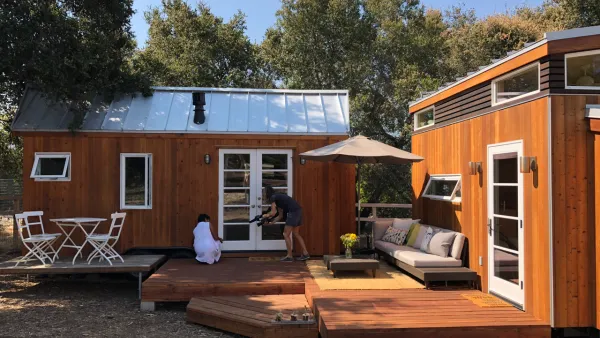
California Cities Going the Extra Mile to Support ADU Construction
A few jurisdictions have gone beyond conformity with state law to encourage the construction of accessory dwelling units in the state of California, like in San Diego.
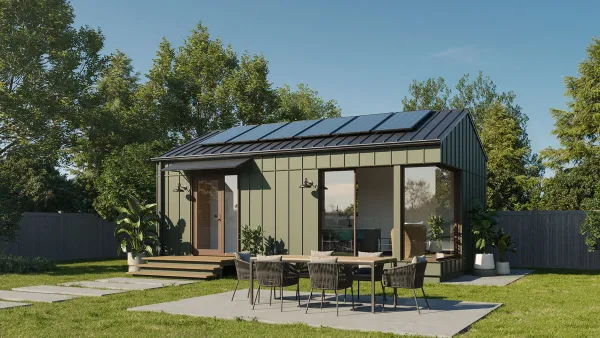
NYC’s ‘ADU for You’ Initiative Offers Pre-approved Plans and Financing Tools
The project pairs pre-approved plans with financing and other tools to help more homeowners build accessory units.

Florida Senate Advances Law Allowing ADUs in All Residential Zones
The law would legalize ‘granny flats’ by-right in single-family zoned neighborhoods.

Planetizen Federal Action Tracker
A weekly monitor of how Trump’s orders and actions are impacting planners and planning in America.

The state-sanctioned urbicide of Austin
People don’t kill cities. Freeways do.

US to reduce Colorado River water deliveries to Mexico
A new Colorado Treaty amendment reduces Mexico’s Colorado River water allocation by 250,000 acre feet.

5 New England states march closer to 800 megawatt wind energy project
Securing federal approval for the project may be complicated under the Trump administration, which has historically been hostile towards domestic wind power.

Baltimore to break ground on $50 million Transit Priority Project
The project will bring faster bus trips, safer streets and better bike connections to Baltimore.

Airbnb launches $250 million 'last-dollar financing' housing accelerator, makes first investment in Austin
The company will put $6.4 million towards affordable housing development in Texas’ capital.

FREE Course: Walkable City 1: Why Walkability?
After describing his path towards focusing on walkability as the essence of good planning, Jeff Speck marches through his five principal reasons for making more walkable places.
Reinventing Malls: Planning Alchemy—Turning Gray Fields Into Gold
The course focuses on the opportunities and imperatives that shape reinvention of mall sites.


Eagle County Government
Harvard University Graduate School of Design
Nashville Planning Department
The Architects Foundation
University of Cincinnati Online
The Pocatello Development Authority
The Urban Renewal Agency of the City of Pocatello
Journal of the American Planning Association