In 10 major U.S. metros, an analysis found that converting office buildings to small co-living units could dramatically cut the costs of construction.


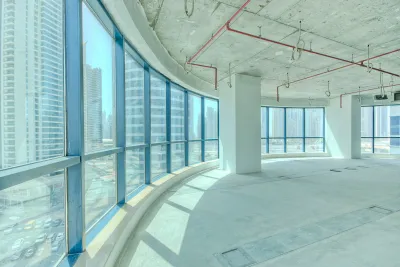
A study from Pew and Gensler shows that converting office buildings into small co-living units would cost from one-third to one half as much as building a typical studio apartment.
As explained by Alex Horowitz and Tushar Kansal, the analysis found that “small co-living apartments could be developed for $123,300 to $238,700 each, including acquisition, design, construction, furnishing, and, where needed, seismic retrofitting.” By contrast, new studio apartments cost around $400,000 each in larger, more expensive cities.
Converting office space to co-living makes use of the existing architecture of office buildings, which often feature exterior windows and interior plumbing and other infrastructure. The proposed model places living spaces on the outside edges and shared infrastructure like kitchens in the middle of the building. The analysis warns that the model would likely still require public subsidies to get started, but that the units would be self-financing after completion.
The 10 cities in the study have few regulatory barriers to these conversions, according to the authors, and cities such as Houston and Denver actively encourage the adaptive reuse of office buildings. The study suggests regulatory reforms that would help other cities reduce barriers: “reducing or eliminating requirements for minimum unit size and parking; allowing mechanical ventilation in buildings where operable windows aren’t feasible; removing caps on the number of units per building or acre; and making such conversions “by-right” projects, so no variance or rezoning is necessary.”
Read the full story: Converting Obsolete Offices to Small Co-Living Apartments Could Help Ease U.S. Housing Shortage


Office Conversion Sees No Sign of Slowing
The adaptive reuse of office buildings for residential and other uses will grow by as much as 63 percent in 2024 over last year.
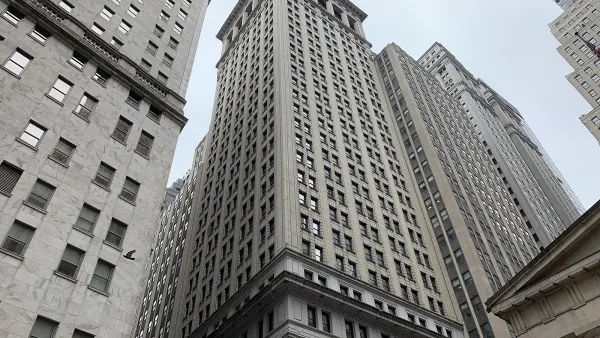
NYC Mayor Proposes Office Conversion Plan
Proposed zoning updates that would make it easier to convert office buildings in commercial districts to housing and other uses could yield up to 20,000 new housing units in the next decade.
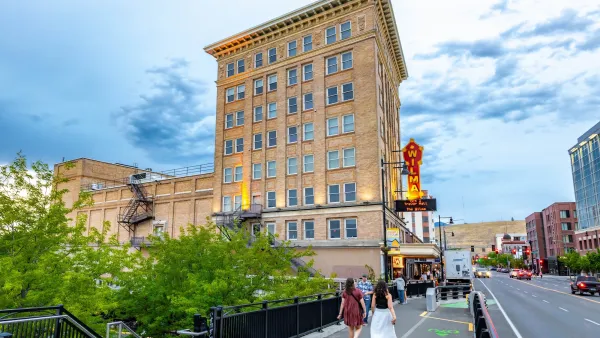
Missoula Approves Zoning Reform Emphasizing More Diverse Housing, Walkability
The city’s new zoning code, map, and development standards will guide more expansive housing options and improved walkability.

Planetizen Federal Action Tracker
A weekly monitor of how Trump’s orders and actions are impacting planners and planning in America.

California plans to bury El Niño’s downpour
If the state plays its cards right, it may be able to store a billion acre-feet of El Niño’s water in aquifers.

Chicago breaks ground on $3 billion megadevelopment
The new neighborhood, titled Foundry Park, will one day host 3,700 residences.

California High-Speed Rail Authority CEO resigns after $600,000 scandal
Under Ian Choudri, the authority used taxpayer dollars to fund first class flights and trips to nightclubs.

Want to study the Missouri River? Soon, you may need unanimous approval from 10 states
Legislation would require 10 governors’ permission to study or build projects moving water outside the basin.

Desperate measures: Advocates weigh draining Lake Powell to fill Colorado River
Draining the reservoir could reduce evaporation losses by a couple hundred thousand acre-feet.

FREE Course: Walkable City 1: Why Walkability?
After describing his path towards focusing on walkability as the essence of good planning, Jeff Speck marches through his five principal reasons for making more walkable places.
Reinventing Malls: Planning Alchemy—Turning Gray Fields Into Gold
The course focuses on the opportunities and imperatives that shape reinvention of mall sites.

City of Rosemead
Rutgers University, Edward J. Bloustein School of Planning and Public Policy
One Hundred Miles
Hunter College, City University of New York (CUNY)
The Architects Foundation
University of Cincinnati Online
City of Cambridge
Montrose County
The Pocatello Development Authority