Rising demand driven by AI data centers and uncertain energy sources could lead to a surge in power outages by the end of the decade.



Increased demand for electricity driven largely by the “explosive growth” of data centers could raise the risk of power outages 100 times by 2030, according to a recent report from the United States Department of Energy (DOE).
As Darren Orf explains in Popular Mechanics, “Transitioning to green energy sources is a delicate balance, and if you shut down the use of traditional fossil fuels without a plan to replace them, then shortages become unavoidable. Additionally, over the course of the last several years, the power grid has acquired a new and extremely heavy burden: AI data centers.”
Communities around the country are responding to these concerns with regulations and, in some cases, temporary bans on new data centers. Meanwhile, the Trump administration has canceled over $7.5 billion in funding for more than 220 energy projects, many of them related to renewable energy and grid resilience.
FULL STORY: Blackouts in the U.S. May Be 100 Times More Frequent By 2030

Planning Trends for 2026: States and Cities Take Initiative, Passenger Rail Gains Steam, and the Costs of AI Revealed
With federal funding for everything from transportation projects to housing assistance under threat, city and state governments are poised to take a stronger role in building strong, resilient local economies and public services.
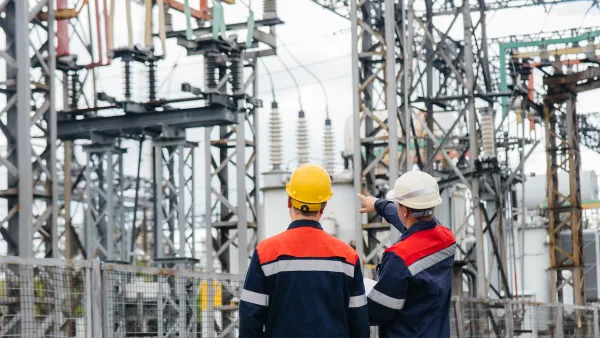
AI’s Thirst for Energy Threatens Electric Grids
The rapidly growing demand for electricity could lead to shortages and is already impacting where data centers are built.
Utilities Spending Less on Energy Efficiency Despite Higher Fuel Prices
A survey of major utilities reveals a link between states with strict efficiency standards and incentive programs and efforts to improve efficiency on the part of utilities.

The state-sanctioned urbicide of Austin
People don’t kill cities. Freeways do.

US to reduce Colorado River water deliveries to Mexico
A new Colorado Treaty amendment reduces Mexico’s Colorado River water allocation by 250,000 acre feet.

New Jersey’s second-largest city bans standalone data centers
Jersey City will continue to allow co-location facilities, such as those meant for research institutions that store their own data.

Amtrak not solely to blame for New Jersey commuter rail's unreliability, report finds
A new study from the Garden State Initiative found that NJ Transit’s budget grew 20% across a 4 year period, but reliability declined significantly over the same period.

EPA erases limits on planet-warming pollution from power plants
Under Monday’s plan, power plants would still have some limits on how much mercury, arsenic and other contaminants they can emit.

Phoenix announces new on-demand transit service, more frequent RAPID buses
Both new services will launch in October, and are part of Phoenix's Project Effective Access Solutions for Easing Congestion.

FREE Course: Walkable City 1: Why Walkability?
After describing his path towards focusing on walkability as the essence of good planning, Jeff Speck marches through his five principal reasons for making more walkable places.
Reinventing Malls: Planning Alchemy—Turning Gray Fields Into Gold
The course focuses on the opportunities and imperatives that shape reinvention of mall sites.

Eagle County Government
Harvard University Graduate School of Design
Nashville Planning Department
The Architects Foundation
University of Cincinnati Online
The Pocatello Development Authority
The Urban Renewal Agency of the City of Pocatello
Journal of the American Planning Association