Mission-driven groups will get an early chance to make offers on properties that can be rehabilitated and preserved as affordable.


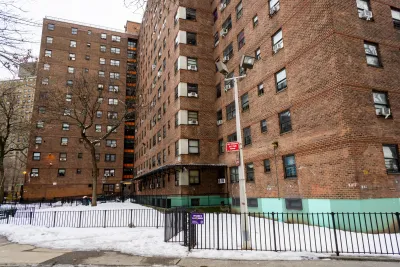
The New York City Council passed a revised version of the Community Opportunity to Purchase Act (COPA), a law that gives certain nonprofits an early right to bid on available properties that could be rehabilitated and preserved as affordable housing.
As Jeanmarie Evelly explains in City Limits, the law “specifically targets buildings with poor conditions or where an affordability provision is expiring.” The law allows “qualified entities” to purchase properties, make repairs, and maintain affordable rents.
First introduced in 2020, the new version of the bill narrows the types of buildings that qualify under the law, exempts small properties with fewer than four apartments, and creates more specific criteria for the organizations that are eligible to make bids. When an eligible property is put up for sale, owners are required to notify a list of nonprofits, who have 25 days to notify the owner of an intent to purchase and 80 further days to make an offer.
While supporters say the law can work in conjunction with other city programs to improve living conditions, critics call it government overreach that can delay sales and say it won’t necessarily lead to improvements for tenants.
FULL STORY: Legislation Will Give NYC Nonprofits First Chance to Buy Certain Buildings

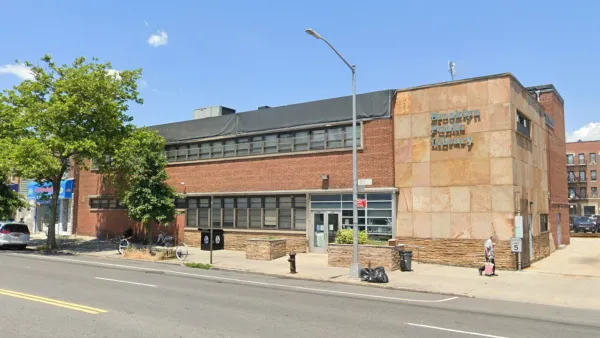
Mayor Mamdani unveils map of 100 public lots that could become housing
The city identified properties that could be available for new housing development.

NYC landlords sue Mamdani administration over rent freeze
The suit charges the administration with unfairly promoting the rent freeze and accuses the city's Rent Guidelines Board of yielding to pressure from the mayor.
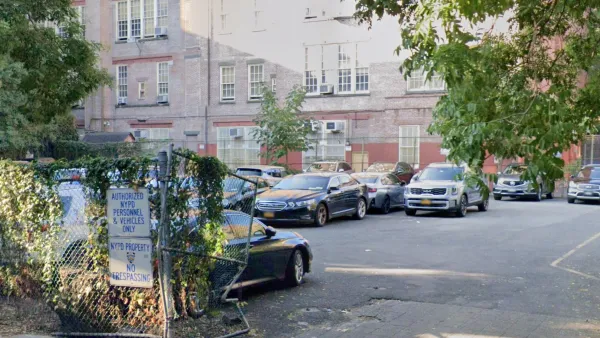
NYPD parking lot to become affordable housing as part of Mamdani's Block by Block initiative
The city awarded the lot to a group of developers to build a mixed-use project with 131 housing units.

Planetizen Federal Action Tracker
A weekly monitor of how Trump’s orders and actions are impacting planners and planning in America.

The state-sanctioned urbicide of Austin
People don’t kill cities. Freeways do.

US to reduce Colorado River water deliveries to Mexico
A new Colorado Treaty amendment reduces Mexico’s Colorado River water allocation by 250,000 acre feet.

5 New England states march closer to 800 megawatt wind energy project
Securing federal approval for the project may be complicated under the Trump administration, which has historically been hostile towards domestic wind power.

Baltimore to break ground on $50 million Transit Priority Project
The project will bring faster bus trips, safer streets and better bike connections to Baltimore.

Airbnb launches $250 million 'last-dollar financing' housing accelerator, makes first investment in Austin
The company will put $6.4 million towards affordable housing development in Texas’ capital.

FREE Course: Walkable City 1: Why Walkability?
After describing his path towards focusing on walkability as the essence of good planning, Jeff Speck marches through his five principal reasons for making more walkable places.
Reinventing Malls: Planning Alchemy—Turning Gray Fields Into Gold
The course focuses on the opportunities and imperatives that shape reinvention of mall sites.

Eagle County Government
Harvard University Graduate School of Design
Nashville Planning Department
The Architects Foundation
University of Cincinnati Online
The Pocatello Development Authority
The Urban Renewal Agency of the City of Pocatello
Journal of the American Planning Association