A proposal before the city council would tax surface parking lots in an effort to boost infill development.


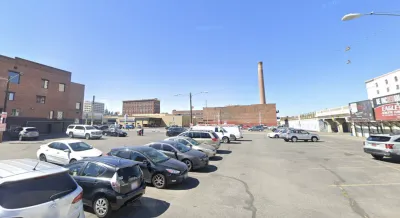
The Spokane, Washington city council is on track to approve a 12 percent tax on parking lots, reports Emry Dinman in The Spokesman-Review.
“The Spokane City Council amended the law Monday to delay implementation to April, which also delayed a vote on the tax until next week because of the city’s rules on late amendments.” The tax is designed to encourage development on vacant lots and would help fund city projects.
According to Dinman, “The tax would hit hardest for surface lots like those owned by prolific operator Diamond Parking, though almost all commercial lots would be taxed to some extent. Parking structures with at least two floors or underground lots would only have to charge customers half the tax rate, or 6%. Parking lots could also qualify for the lower rate if the owner has an accepted building permit with the city to imminently redevelop the lot into a residential or commercial building.”
The proposal includes exemptions for employee, residential, and student parking, as well as qualifying carpool, government workers, and drivers with disabilities. “On-street parking, which is operated by the city, would also be exempt.
FULL STORY: ‘Full speed ahead’ on proposed Spokane parking tax as vote nears

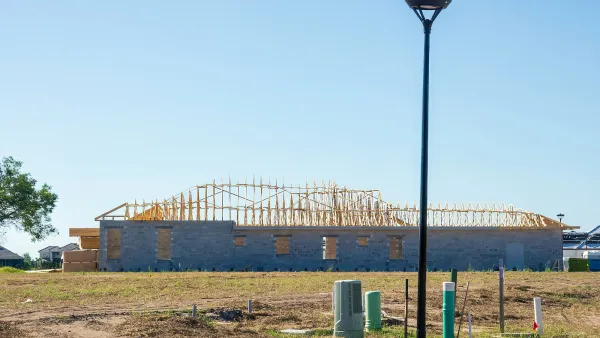
Florida Legislature Passes Bill to Encourage Infill Housing on Brownfields
If signed by the state’s governor, the bill would require cities to allow housing development on lots over 5 acres.
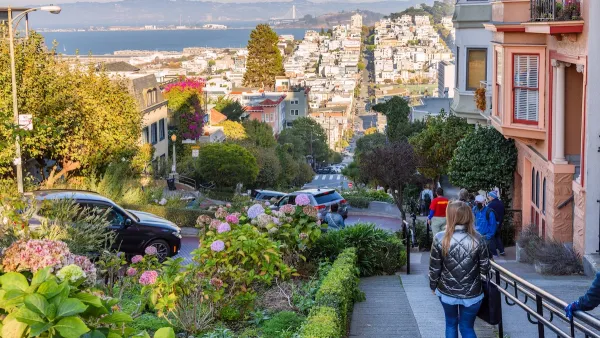
San Francisco Mayor’s ‘Family Zoning’ Plan Faces Pushback, Displacement Concerns
Newly proposed legislation aims to protect long-term tenants from displacement caused by Mayor Lurie’s proposed zoning reform plan, which would allow for more housing construction in parts of the city.
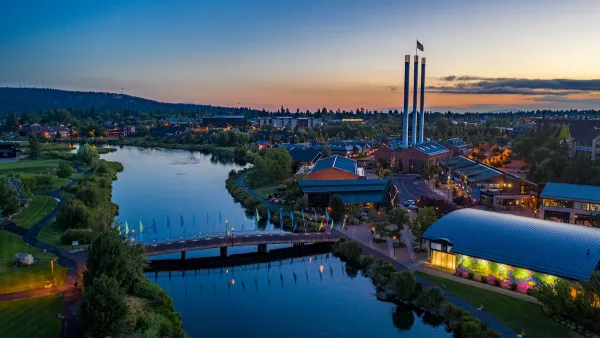
Oregon Cities Debate Expanding Boundaries
A recent bill allows cities to apply for a one-time expansion to Oregon’s historic urban growth boundaries, which limit development at the edges of cities.

The state-sanctioned urbicide of Austin
People don’t kill cities. Freeways do.

US to reduce Colorado River water deliveries to Mexico
A new Colorado Treaty amendment reduces Mexico’s Colorado River water allocation by 250,000 acre feet.

New Jersey’s second-largest city bans standalone data centers
Jersey City will continue to allow co-location facilities, such as those meant for research institutions that store their own data.

Amtrak not solely to blame for New Jersey commuter rail's unreliability, report finds
A new study from the Garden State Initiative found that NJ Transit’s budget grew 20% across a 4 year period, but reliability declined significantly over the same period.

EPA erases limits on planet-warming pollution from power plants
Under Monday’s plan, power plants would still have some limits on how much mercury, arsenic and other contaminants they can emit.

Phoenix announces new on-demand transit service, more frequent RAPID buses
Both new services will launch in October, and are part of Phoenix's Project Effective Access Solutions for Easing Congestion.

FREE Course: Walkable City 1: Why Walkability?
After describing his path towards focusing on walkability as the essence of good planning, Jeff Speck marches through his five principal reasons for making more walkable places.
Reinventing Malls: Planning Alchemy—Turning Gray Fields Into Gold
The course focuses on the opportunities and imperatives that shape reinvention of mall sites.

Eagle County Government
Harvard University Graduate School of Design
Nashville Planning Department
The Architects Foundation
University of Cincinnati Online
The Pocatello Development Authority
The Urban Renewal Agency of the City of Pocatello
Journal of the American Planning Association