The number of unsheltered Houstonians grew after a decline in 2024.


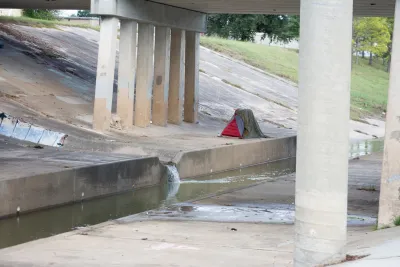
The number of available shelter beds for Houston’s unhoused residents is at the lowest level in at least two decades, according to data from the federal Housing Inventory Count.
According to an article by John Brannen and Jacob Carpenter in the Kinder Institute for Urban Research’s Urban Edge, “About 2,600 temporary beds were available in Harris, Fort Bend and Montgomery counties as of January, a 13% decline from early 2024, when local providers tallied about 3,000 beds.”
At the same time, the number of unsheltered individuals in the region rose from 1,100 to nearly 1,300. “It is a setback for a region that had been successful in curbing homelessness in recent years; the unsheltered population had dropped for two consecutive years after hovering around 1,500 for several years.”
Over the past 15 years, Houston reduced its homeless population from around 8,500 to 3,300. “But a combination of factors — including fluctuations in private donations, shifting federal grants and rising costs — are weighing on homeless shelter operators.”
In October, the city announced plans to establish a “super hub” with emergency shelter and supportive services at a site it is purchasing for $16 million. “Mike Nichols, the director of the city’s Housing and Community Development Department, said the facility would particularly help address a shortage of beds available to single adult men and people arriving without a referral.”
Read the full story: Houston reports fewest available beds in 20-plus years as unsheltered homelessness rises

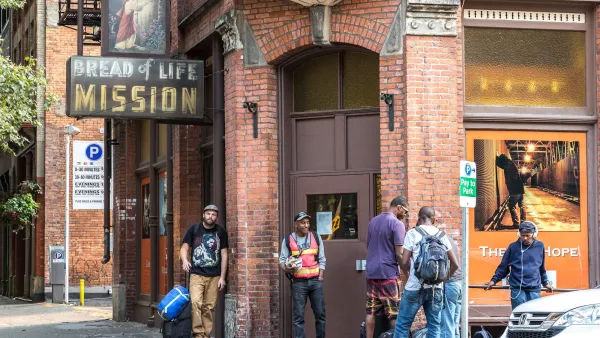
Seattle mayor pledges to build 500 shelter units by June
The Seattle Times editorial board expresses cautious optimism about the mayor's ambitious supportive housing plan.
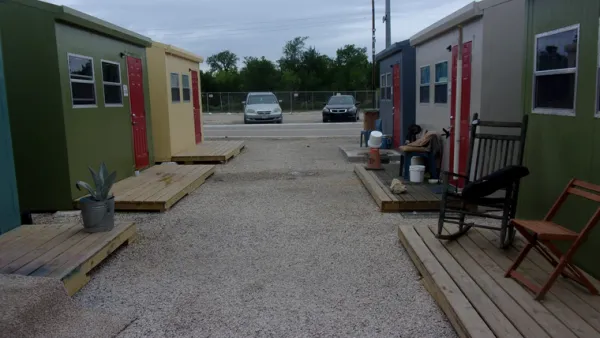
Austin Approves Over $10 Million for Homelessness Programs
The funding package supports emergency shelters totaling close to 500 beds.
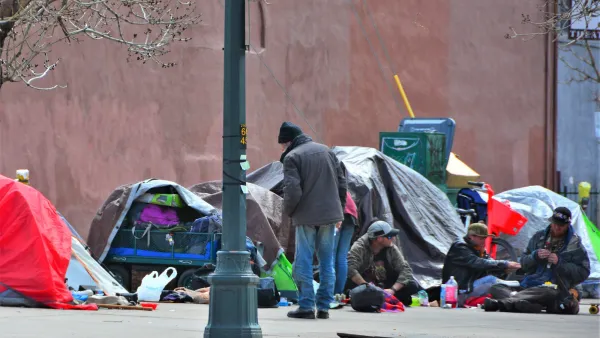
Denver Cut Unsheltered Homelessness Almost in Half Even as Unhoused Population Grows
While the total number of Denver residents without permanent housing is growing, the city has leveraged its resources to quickly create over 1,000 new emergency shelter beds.

Planetizen Federal Action Tracker
A weekly monitor of how Trump’s orders and actions are impacting planners and planning in America.

The state-sanctioned urbicide of Austin
People don’t kill cities. Freeways do.

Colorado’s Largest Data Center Could Rise Next to Homes — Without a Public Hearing
The proposed campus would consume 11 times the power of Denver International Airport; as it has across the country, opposition mounts.

Nation's most wind-powered state turns to coal as data centers increase energy demand
For the first time in decades, Iowa has increased its generation of coal power.

NYC cools commuters with city's first rain garden above a bus stop
New York City officials say the plants in the rain garden can absorb 16 gallons of rainwater during heavy storms.

Brightline West’s future may rely on $6 billion federal loan
The company has until Nov. 2 to make a $400 million equity investment into its proposed high-speed rail line.

FREE Course: Walkable City 1: Why Walkability?
After describing his path towards focusing on walkability as the essence of good planning, Jeff Speck marches through his five principal reasons for making more walkable places.
Reinventing Malls: Planning Alchemy—Turning Gray Fields Into Gold
The course focuses on the opportunities and imperatives that shape reinvention of mall sites.

Greater Baltimore Committee
Eagle County Government
Harvard University Graduate School of Design
The Architects Foundation
University of Cincinnati Online
The Pocatello Development Authority
The Urban Renewal Agency of the City of Pocatello
Journal of the American Planning Association