The Environmental Magazine features a special primer on beach erosion and what can be done to stop it.


"Orrin Pilkey, who directs the Program for the Study of Developed Shorelines at Duke University, believes that in many cases it would actually be cheaper to move buildings back from the water's edge than to fund 10 to 20 years of constant beach replenishment, but his ideas have not had many takers among shoreline communities... Some states and localities in the United States and around the world have "set back requirements," restricting development on the shoreline. Protecting and restoring natural barriers to erosion, like dunes, wetlands, and vegetation close to shore are also natural, low-cost ways to fight erosion."
Thanks to Chris Steins
Read the full story: Why are coastlines eroding and what can be done?


Planetizen Federal Action Tracker
A weekly monitor of how Trump’s orders and actions are impacting planners and planning in America.

‘Going backwards:’ Baltimore mayor, students rally against state's transit funding plan
Maryland's proposed six-year plan provides no funding for Baltimore’s BMORE bus program and reduces its road maintenance funding.
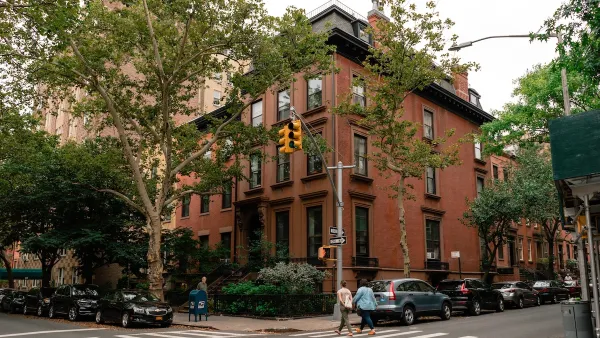
Mamdani sent nearly 6,000 pied-à-terre tax warnings to homes that didn’t qualify
A judge has ordered the administration to cancel thousands of pied-à-terre tax notices after it sent 35% of them erroneously.

One of nation’s poorest counties to receive $6 billion data center
The developers estimate the project will create 200 permanent jobs and 1,000 temporary construction jobs.

MTA expects Trump’s tariffs to increase new NYC transit costs by $1 billion
The Metropolitan Transit Authority said the cost of new subway cars has risen by 30% since Trump began his second term as president.

Alaska takes public comment on new long-term plan for roads, bridges and more
Alaska's draft Statewide Transportation Improvement Program includes over $1 billion for the Alaska Marine Highway System.

FREE Course: Walkable City 1: Why Walkability?
After describing his path towards focusing on walkability as the essence of good planning, Jeff Speck marches through his five principal reasons for making more walkable places.
Reinventing Malls: Planning Alchemy—Turning Gray Fields Into Gold
The course focuses on the opportunities and imperatives that shape reinvention of mall sites.

City of Thousand Oaks
City of Wisconsin Rapids
Harvard University Graduate School of Design
The Architects Foundation
University of Cincinnati Online
Northern Illinois Transit Authority (NITA)
The Pocatello Development Authority
The Urban Renewal Agency of the City of Pocatello