The city plans to fund two impact studies to settle the suit and move forward with enacting its 2023 zoning plan update.


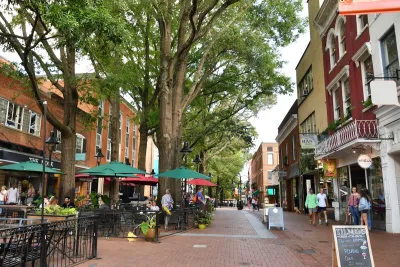
After months without a zoning code, the Charlottesville, Virginia City Council voted to settle a lawsuit that has held up the city’s zoning update.
As Ryan Kushner explains in Smart Cities Dive, the lawsuit was brought by residents who claimed the city failed to follow proper procedures such as conducting an impact study when it updated its zoning code to allow more density in 2023. According to Kushner, “The city’s updated zoning eliminates single-family zoning and parking space requirements at new developments, moves intended to address the city’s housing affordability crisis.”
Now, the council voted to fund two infrastructure and transportation studies in an effort to settle the suit and move forward with the zoning update. City Attorney John Maddux called the settlement “the best outcome in this case,” saying, “It’ll help us move forward with clarity and purpose with our zoning.”
Read the full story: How Charlottesville, Virginia, is getting its zoning back

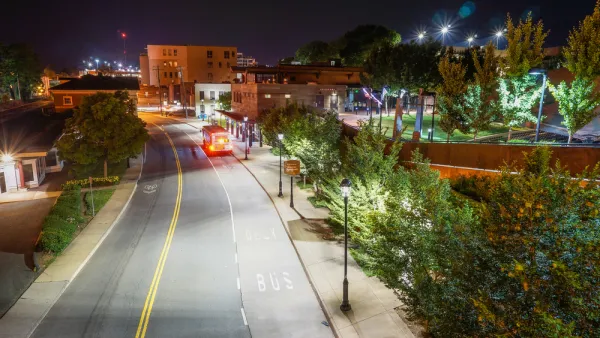
Charlottesville Adopts New Zoning Code
The revised ordinance calls for higher density and more affordable housing.
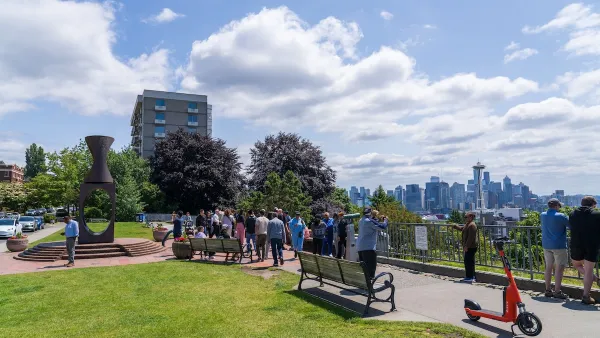
Yet again, Seattle’s density zoning update is hit with delays
The city must now examine the ‘maximum possible development’ under a future zoning scenario, rather than the ‘maximum likely development.’
To upzone or not to upzone? Two views on the housing crisis
Allowing more density can increase the housing supply, but does the attendant rise in land prices cancel out the benefits?

Planetizen Federal Action Tracker
A weekly monitor of how Trump’s orders and actions are impacting planners and planning in America.

California plans to bury El Niño’s downpour
If the state plays its cards right, it may be able to store a billion acre-feet of El Niño’s water in aquifers.

Desperate measures: Advocates weigh draining Lake Powell to fill Colorado River
Draining the reservoir could reduce evaporation losses by a couple hundred thousand acre-feet.

Chicago Avenue bridge construction delays enrages city leaders
The bridge has been closed since 2025. The city originally aimed to re-open it in December, and now expects to finish construction in 2027.

NYC bus network redesign speeds up Queens buses
Rush routes have seen a 4.6% speed increase after the redesign.

California High-Speed Rail Authority picks trainset manufacturer
The California High-Speed Rail Authority aims to start servicing passengers by 2033.

FREE Course: Walkable City 1: Why Walkability?
After describing his path towards focusing on walkability as the essence of good planning, Jeff Speck marches through his five principal reasons for making more walkable places.
Reinventing Malls: Planning Alchemy—Turning Gray Fields Into Gold
The course focuses on the opportunities and imperatives that shape reinvention of mall sites.

City of Rosemead
Rutgers University, Edward J. Bloustein School of Planning and Public Policy
One Hundred Miles
Hunter College, City University of New York (CUNY)
The Architects Foundation
University of Cincinnati Online
City of Cambridge
Montrose County
The Pocatello Development Authority