Houston, Dallas, and Austin are growing fast. The old sprawl model is no longer sustainable.



Texas has some of the nation’s fastest-growing cities, and sprawl has so far enabled much of that growth. Now, the realization that sprawl will increasingly strain local infrastructure and water supplies means cities will need new strategies to increase density and accommodate millions of additional residents in more sustainable ways.
In an analysis for the Urban Land Institute, Jan Steingahs outlines how Houston, Dallas, and Austin, which are projected to be the three largest cities in the country by 2100, can reorient their growth patterns to address critical urban challenges.
As Steingahs explains, “The availability of space does not mean cities can continue business as usual when it comes to planning.” For Steingahs, cities like Dallas must focus on creating “interconnected urban centers” that form “vibrant secondary and tertiary hubs beyond the central business district.”
Adaptability is crucial for creating vibrant, sustainable urban centers. We can no longer rely on traditional construction, as in standalone office buildings, residential complexes, or typical mixed-use developments.
Steingahs suggests cities must embrace an even more diverse definition of mixed use, which will help densify urban cores and “create vibrant urban centers where buildings will work in sync with one another and ensure that new mixed-use buildings create synergies.” The old growth model will not work for the influx of new residents expected in the coming decades. “Dallas has an opportunity to create denser urban cores, redefine mixed-use developments, and foster collaboration between private developers and municipalities.”
FULL STORY: The Density Conundrum: Bringing the 15-Minute City to Texas

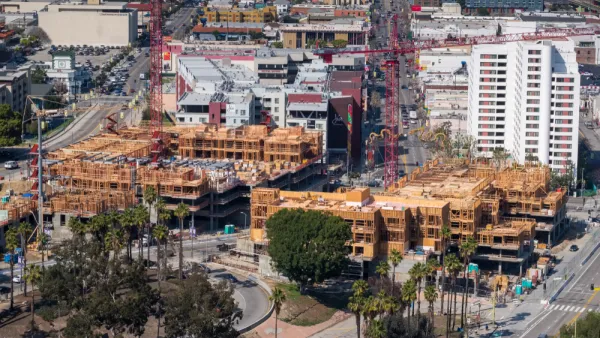
Census Data Reveal Increasing Density in the U.S.—Reversing a Two-Decade Trend
The New York Times is calling 2010 to 2020 the "Downtown Decade."
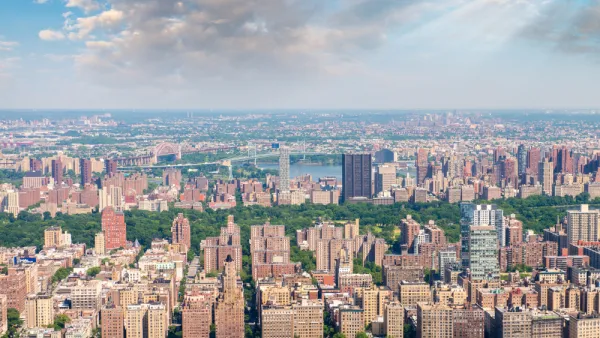
Study: Density Can Impede Growth
Size and growth go hand in hand, until they don't, according to a new analysis. Density might be the reason that synergy eventually shortcircuits.
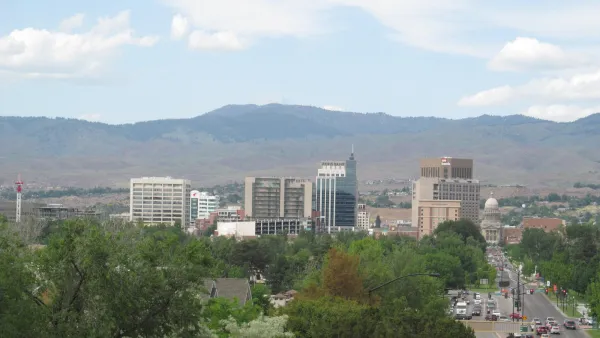
Housing Affordability Challenges Visit Idaho
Boise and surrounding cities are going to need new housing to meet the demand of tens of thousands of new residents in the coming years.

The state-sanctioned urbicide of Austin
People don’t kill cities. Freeways do.

US to reduce Colorado River water deliveries to Mexico
A new Colorado Treaty amendment reduces Mexico’s Colorado River water allocation by 250,000 acre feet.

New Jersey’s second-largest city bans standalone data centers
Jersey City will continue to allow co-location facilities, such as those meant for research institutions that store their own data.

Amtrak not solely to blame for New Jersey commuter rail's unreliability, report finds
A new study from the Garden State Initiative found that NJ Transit’s budget grew 20% across a 4 year period, but reliability declined significantly over the same period.

EPA erases limits on planet-warming pollution from power plants
Under Monday’s plan, power plants would still have some limits on how much mercury, arsenic and other contaminants they can emit.

Phoenix announces new on-demand transit service, more frequent RAPID buses
Both new services will launch in October, and are part of Phoenix's Project Effective Access Solutions for Easing Congestion.

FREE Course: Walkable City 1: Why Walkability?
After describing his path towards focusing on walkability as the essence of good planning, Jeff Speck marches through his five principal reasons for making more walkable places.
Reinventing Malls: Planning Alchemy—Turning Gray Fields Into Gold
The course focuses on the opportunities and imperatives that shape reinvention of mall sites.

Eagle County Government
Harvard University Graduate School of Design
Nashville Planning Department
The Architects Foundation
University of Cincinnati Online
The Pocatello Development Authority
The Urban Renewal Agency of the City of Pocatello
Journal of the American Planning Association