The results benefit residents, neighbors, and the organizations themselves.


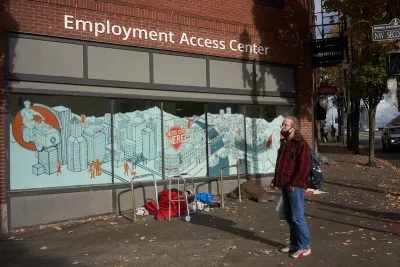
A growing trend in affordable housing is transforming often-vacant ground-floor spaces into community hubs by prioritizing nonprofit tenants. Saul Ettlin of Community Vision outlines how these partnerships benefit developers, residents, and neighborhoods alike.
Nonprofits gain long-term affordable leases and visibility, while developers secure stable tenants, community buy-in, and sometimes additional funding opportunities. Residents and neighbors benefit from active street-level uses such as child care centers, health clinics, arts programs, and culturally responsive services. This “placekeeping” approach helps preserve community identity and prevents cultural displacement.
The article shares lessons the author learned from working on 11 Low-Income Housing Tax Credit projects in California, offering best practices for developers, nonprofits, and local governments. Early collaboration and long-term leases are key to success. With intention and trust, these partnerships turn underutilized commercial space into vibrant assets that reinforce equitable development.
Read the full story: From Empty Spaces to Community Places: Why Nonprofits Belong on the Ground Floor of Affordable Housing


Fact Check: New Housing Doesn’t Lead to Overcrowded Schools
A common refrain heard by locals opposed to new housing developments is that area schools can’t absorb the increase in students they’ll bring. As the nation approaches an “enrollment cliff,” the data tells a different story.

Expanding the Mission: Community Groups Serving Schools
Some community development organizations have added education to their traditional focus on housing and economic development, looking for ways to support families and children by partnering with local school districts. How is it working?

Strength in Diversity: Crafting an Affordable Housing Coalition in Cincinnati
The city’s longtime champions of housing for low-income residents joined forces with an array of allies to establish a sustainable source of funding for affordable housing.

Planetizen Federal Action Tracker
A weekly monitor of how Trump’s orders and actions are impacting planners and planning in America.

California plans to bury El Niño’s downpour
If the state plays its cards right, it may be able to store a billion acre-feet of El Niño’s water in aquifers.

Chicago breaks ground on $3 billion megadevelopment
The new neighborhood, titled Foundry Park, will one day host 3,700 residences.

California High-Speed Rail Authority CEO resigns after $600,000 scandal
Under Ian Choudri, the authority used taxpayer dollars to fund first class flights and trips to nightclubs.

Want to study the Missouri River? Soon, you may need unanimous approval from 10 states
Legislation would require 10 governors’ permission to study or build projects moving water outside the basin.

Desperate measures: Advocates weigh draining Lake Powell to fill Colorado River
Draining the reservoir could reduce evaporation losses by a couple hundred thousand acre-feet.

FREE Course: Walkable City 1: Why Walkability?
After describing his path towards focusing on walkability as the essence of good planning, Jeff Speck marches through his five principal reasons for making more walkable places.
Reinventing Malls: Planning Alchemy—Turning Gray Fields Into Gold
The course focuses on the opportunities and imperatives that shape reinvention of mall sites.

City of Rosemead
Rutgers University, Edward J. Bloustein School of Planning and Public Policy
One Hundred Miles
Hunter College, City University of New York (CUNY)
The Architects Foundation
University of Cincinnati Online
City of Cambridge
Montrose County
The Pocatello Development Authority