Rapidly growing cities are struggling to build out water infrastructure to meet the needs of new residents.


Houston-area suburbs are growing fast — and their water supplies may not be keeping up, writes Sam González Kelly in the Houston Chronicle. Cities like Conroe and Magnolia are feeling the strain on their water infrastructure, prompting officials to issue building moratoriums to slow their growth.
The problem, Kelly explains, is less about supply and more about infrastructure. In May 2024, Conroe’s water levels dropped so low the city issued its first ever boil-water notice. “With the water system at a breaking point and no quick fixes at hand, Conroe had no choice but to enact the building moratorium on the north side of the city.” Unlike other cities, Conroe doesn’t charge developer impact fees to help pay for new infrastructure, though officials are now considering them.
Nearby Magnolia, a formerly rural community that is growing quickly, put a moratorium on new construction for the last three years as it upgraded its water infrastructure and facilities. “Magnolia’s population surged by nearly 150% between 2020 and 2024, according to Texas Demographic Center estimates, and that doesn’t include the thousands more who moved to the surrounding area, some of whom are on the city’s water network.” The city has built two new water plants that will double its storage and pumping capacity and plans to end the moratorium by the end of this year, but experts warn cities must plan more carefully to avoid future problems.
FULL STORY: The population boom in Houston suburbs is straining water systems. Can they keep the taps running?

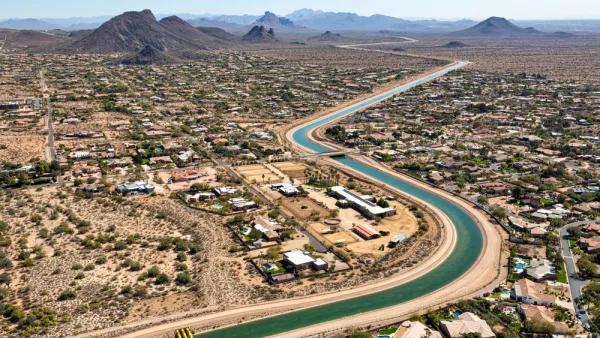
Arizona Governor Pledges $1 Billion to Water Infrastructure
The billion-dollar investment in the state's water supplies sounds good on paper, but lawmakers must also distribute funding effectively to mitigate the state's urgent water shortage.
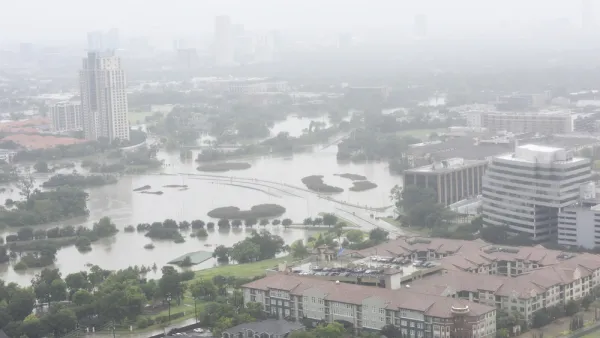
Texans to Vote on Flood Control Funding, Property Tax Breaks in Disaster Areas
The fingerprint of Hurricane Harvey and recurring flooding events around the state are evident in the statewide election in Texas on November 5, 2019.
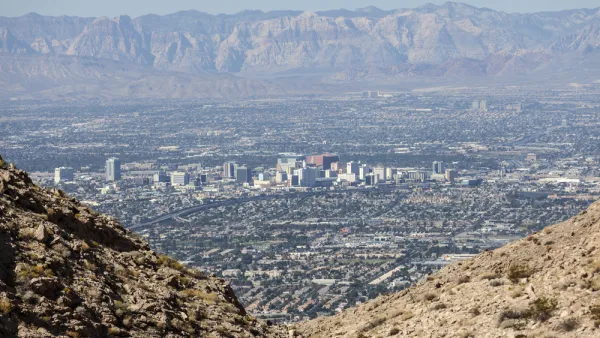
Sales Tax to Fund Water Projects Extended in Las Vegas Region
The Clark County Commission is extending a sales tax, created in 1998, which could have drawn to a close after raising $2.3 billion or the year 2025, whichever came first. The tax will remain in place indefinitely.

Planetizen Federal Action Tracker
A weekly monitor of how Trump’s orders and actions are impacting planners and planning in America.

The state-sanctioned urbicide of Austin
People don’t kill cities. Freeways do.

US to reduce Colorado River water deliveries to Mexico
A new Colorado Treaty amendment reduces Mexico’s Colorado River water allocation by 250,000 acre feet.

5 New England states march closer to 800 megawatt wind energy project
Securing federal approval for the project may be complicated under the Trump administration, which has historically been hostile towards domestic wind power.

Baltimore to break ground on $50 million Transit Priority Project
The project will bring faster bus trips, safer streets and better bike connections to Baltimore.

Airbnb launches $250 million 'last-dollar financing' housing accelerator, makes first investment in Austin
The company will put $6.4 million towards affordable housing development in Texas’ capital.

FREE Course: Walkable City 1: Why Walkability?
After describing his path towards focusing on walkability as the essence of good planning, Jeff Speck marches through his five principal reasons for making more walkable places.
Reinventing Malls: Planning Alchemy—Turning Gray Fields Into Gold
The course focuses on the opportunities and imperatives that shape reinvention of mall sites.

Eagle County Government
Harvard University Graduate School of Design
Nashville Planning Department
The Architects Foundation
University of Cincinnati Online
The Pocatello Development Authority
The Urban Renewal Agency of the City of Pocatello
Journal of the American Planning Association