Bucking national trends, New Rochelle is building new housing at a rapid pace — and bringing rents down in the process.


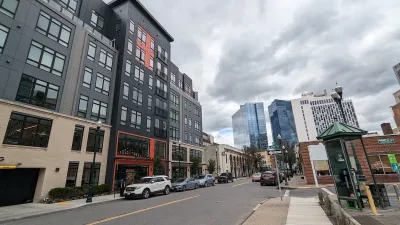
Unlike most U.S. communities, the New York City suburb of New Rochelle has managed to build thousands of new housing units and keep rents down for its residents, reports Rebecca Picciotto in The Wall Street Journal.
According to Pinniotto, “New Rochelle has completed more than 4,500 new housing units over the past decade. Another 6,500 units are either in the pipeline or the planning stages for the next several years. Those 11,000 new units would represent a 37% increase in the number of New Rochelle apartments compared with 10 years ago.”
Today, median rents in New Rochelle are only 1.6 percent higher than in 2020. City officials say they have made housing development easier by streamlining environmental reviews, offering tax incentives, and standardizing zoning rules to reduce the cost of building housing. Projects also have a 90-day approval process to ensure proposals that meet city criteria move forward even in the face of local opposition.
Some residents say the new development prices out most locals, despite the city’s requirement that 10 percent of new housing be affordable. “Many of the newcomers are from New York City, where more residents are finding themselves priced out. One in three of the more than 7,000 incoming New Rochelle residents are from New York City, the highest rate from anywhere, according to municipal data.”
FULL STORY: How an NYC Suburb Is Actually Managing to Bring Rents Down

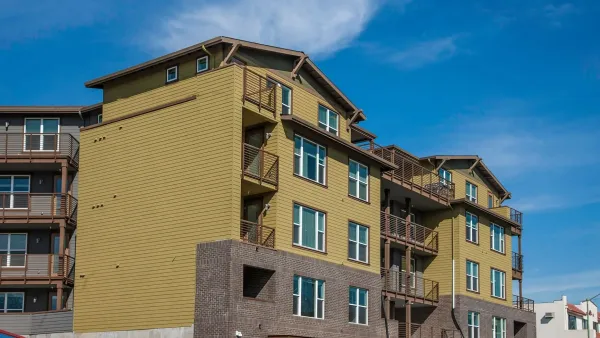
Oakland opens first affordable housing for teachers
The school district says 70% of its teachers can't afford to live in Oakland.

Report: Dallas Has Just 6 Affordable Homes for Every 10 Middle-income Households
The city’s affordable housing stock is rapidly disappearing.
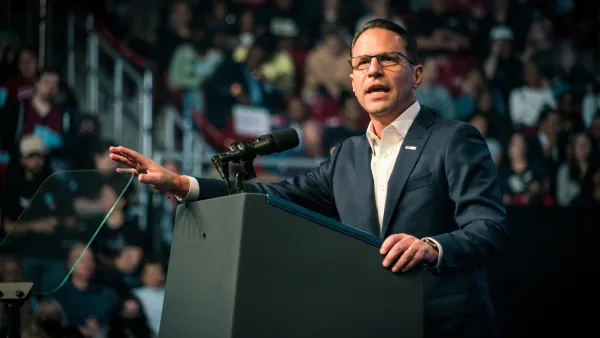
Pennsylvania Housing Action Plan Calls for $1B Fund, Expanded Renter Protections, Homebuyer Assistance
Gov. Shapiro’s proposed plan would bolster support for renters and homebuyers and reduce barriers to housing development.

Planetizen Federal Action Tracker
A weekly monitor of how Trump’s orders and actions are impacting planners and planning in America.

The state-sanctioned urbicide of Austin
People don’t kill cities. Freeways do.

US to reduce Colorado River water deliveries to Mexico
A new Colorado Treaty amendment reduces Mexico’s Colorado River water allocation by 250,000 acre feet.

5 New England states march closer to 800 megawatt wind energy project
Securing federal approval for the project may be complicated under the Trump administration, which has historically been hostile towards domestic wind power.

Baltimore to break ground on $50 million Transit Priority Project
The project will bring faster bus trips, safer streets and better bike connections to Baltimore.

Airbnb launches $250 million 'last-dollar financing' housing accelerator, makes first investment in Austin
The company will put $6.4 million towards affordable housing development in Texas’ capital.

FREE Course: Walkable City 1: Why Walkability?
After describing his path towards focusing on walkability as the essence of good planning, Jeff Speck marches through his five principal reasons for making more walkable places.
Reinventing Malls: Planning Alchemy—Turning Gray Fields Into Gold
The course focuses on the opportunities and imperatives that shape reinvention of mall sites.

Eagle County Government
Harvard University Graduate School of Design
Nashville Planning Department
The Architects Foundation
University of Cincinnati Online
The Pocatello Development Authority
The Urban Renewal Agency of the City of Pocatello
Journal of the American Planning Association