California is making significant progress toward its 30x30 conservation goals, but looming federal rollbacks and gaps in biodiversity protections could threaten the state’s efforts to protect lands and coastal waters by 2030.


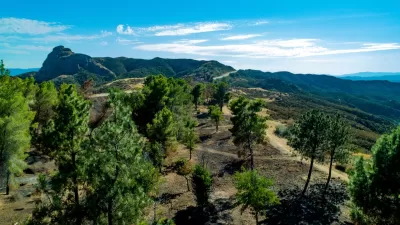
California is making steady progress toward its ambitious 30x30 conservation goal — an initiative to protect 30 percent of the state’s lands and coastal waters by 2030. As reported by Lila Seidman, the state has now safeguarded 26.1 percent of its land and 21.9 percent of its coastal waters, representing significant gains since the initiative’s formal launch in 2022. Recent milestones include the designation of two new national monuments — Chuckwalla and Sáttítla Highlands — and the establishment of the Chumash Heritage National Marine Sanctuary, which collectively added more than a million acres of protected land and water.
However, this progress faces potential setbacks. The Trump administration has signaled a willingness to reverse federal protections, including rolling back the designations of the Chuckwalla and Sáttítla Highlands monuments. Since nearly half of California’s land is federally owned, such reversals could jeopardize the state’s ability to meet its 30x30 targets. Conservation advocates also raise concerns about whether areas like the Chumash Heritage National Marine Sanctuary should count toward the goal, citing the allowance of certain industrial activities that may undermine biodiversity protection.
Despite these uncertainties, state leaders remain committed to the 30x30 initiative as a cornerstone of climate resilience and environmental justice. Officials are now focused on integrating privately owned inholdings into existing state parks and enhancing management plans to strengthen biodiversity protections. As climate change accelerates, the 30x30 framework is seen as a critical strategy to sequester greenhouse gases, preserve ecosystems, and safeguard resources vital to both wildlife and human communities.
Read the full story: California moves closer to ‘30x30’ conservation goals as threats to public lands loom

BLM To Rescind Public Lands Rule
The change will downgrade conservation, once again putting federal land at risk for mining and other extractive uses.
Assessing Biden's '30 by 30' Conservation Plan
The president's ambitious commitment to protect 30% of U.S. land and water by 2030 might be too broad in attempting to satisfy all land users.
Can the U.S. Preserve 30 Percent of its Lands and Waters?
The Biden administration released its preliminary report on a plan to conserve 30 percent of the nation's lands and waters by 2030, one big, ambitious component of the administration's climate plans.

Planetizen Federal Action Tracker
A weekly monitor of how Trump’s orders and actions are impacting planners and planning in America.

California plans to bury El Niño’s downpour
If the state plays its cards right, it may be able to store a billion acre-feet of El Niño’s water in aquifers.

Chicago breaks ground on $3 billion megadevelopment
The new neighborhood, titled Foundry Park, will one day host 3,700 residences.

California High-Speed Rail Authority CEO resigns after $600,000 scandal
Under Ian Choudri, the authority used taxpayer dollars to fund first class flights and trips to nightclubs.

Want to study the Missouri River? Soon, you may need unanimous approval from 10 states
Legislation would require 10 governors’ permission to study or build projects moving water outside the basin.

Desperate measures: Advocates weigh draining Lake Powell to fill Colorado River
Draining the reservoir could reduce evaporation losses by a couple hundred thousand acre-feet.

FREE Course: Walkable City 1: Why Walkability?
After describing his path towards focusing on walkability as the essence of good planning, Jeff Speck marches through his five principal reasons for making more walkable places.
Reinventing Malls: Planning Alchemy—Turning Gray Fields Into Gold
The course focuses on the opportunities and imperatives that shape reinvention of mall sites.

City of Rosemead
Rutgers University, Edward J. Bloustein School of Planning and Public Policy
One Hundred Miles
Hunter College, City University of New York (CUNY)
The Architects Foundation
University of Cincinnati Online
City of Cambridge
Montrose County
The Pocatello Development Authority