The EPA is investing the funds to clean up and redevelop contaminated sites nationwide, supporting economic growth, community revitalization, and environmental restoration.


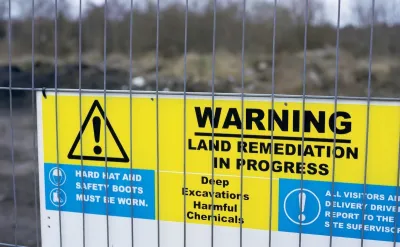
The U.S. Environmental Protection Agency (EPA) has announced a $267 million investment through its Brownfields Grants Program to support the cleanup and redevelopment of contaminated properties across the country. These grants aim to transform polluted and underutilized lands into productive community assets that support housing, small businesses, and job growth. As reported by Stasia DeMarco, the funding aligns with the EPA’s commitment to both environmental protection and economic revitalization.
This funding round includes $121.8 million for 148 recipients to conduct environmental site assessments and engage communities, $88.2 million for 51 recipients to directly clean up brownfield sites, and $15 million distributed to 15 revolving loan fund recipients to support additional cleanups. An additional $42 million will go to 34 high-performing revolving loan fund grantees. All recipients must meet federal eligibility standards before accessing the funds.
Since its inception in 1995, the EPA’s Brownfields Program has spurred nearly $42 billion in redevelopment and helped create over 220,500 jobs, demonstrating its long-standing role in revitalizing communities through sustainable land reuse.
FULL STORY: EPA Invests $267 Million to Clean Up and Revitalize Brownfield Sites Nationwide

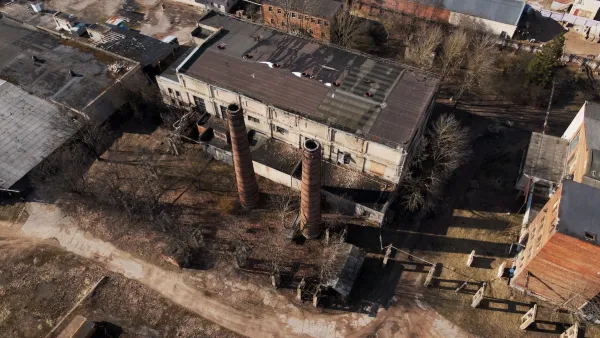
Wisconsin Awarded $12 Million for Brownfield Redevelopment Amid Broader EPA Budget Cuts
The EPA provided the funding to Wisconsin for brownfield cleanups in cities like Milwaukee and Racine, even as broader agency budget cuts under the Trump administration raise concerns about future environmental protection capacity.
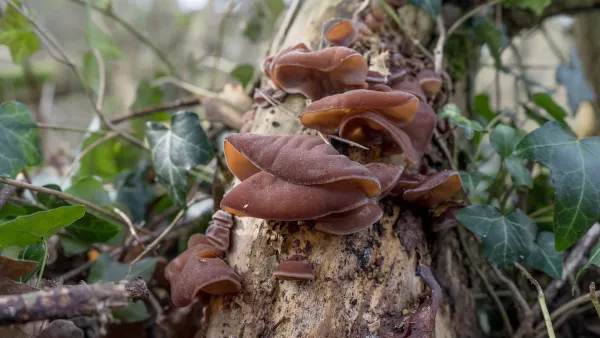
Fungi to the Rescue: How Mushrooms Are Helping Clean Up Toxic Lands
Fungi are emerging as powerful tools in environmental cleanup, with scientists and community leaders using mushrooms to break down pollutants and restore contaminated soil.

Bioremediation for Environmental Justice
Bioremediation uses plants, fungi, and microbes to clean up polluted land in place, offering a nature-based option for restoring contaminated sites in overburdened communities.

The state-sanctioned urbicide of Austin
People don’t kill cities. Freeways do.

US to reduce Colorado River water deliveries to Mexico
A new Colorado Treaty amendment reduces Mexico’s Colorado River water allocation by 250,000 acre feet.

New Jersey’s second-largest city bans standalone data centers
Jersey City will continue to allow co-location facilities, such as those meant for research institutions that store their own data.

Amtrak not solely to blame for New Jersey commuter rail's unreliability, report finds
A new study from the Garden State Initiative found that NJ Transit’s budget grew 20% across a 4 year period, but reliability declined significantly over the same period.

EPA erases limits on planet-warming pollution from power plants
Under Monday’s plan, power plants would still have some limits on how much mercury, arsenic and other contaminants they can emit.

Phoenix announces new on-demand transit service, more frequent RAPID buses
Both new services will launch in October, and are part of Phoenix's Project Effective Access Solutions for Easing Congestion.

FREE Course: Walkable City 1: Why Walkability?
After describing his path towards focusing on walkability as the essence of good planning, Jeff Speck marches through his five principal reasons for making more walkable places.
Reinventing Malls: Planning Alchemy—Turning Gray Fields Into Gold
The course focuses on the opportunities and imperatives that shape reinvention of mall sites.

Eagle County Government
Harvard University Graduate School of Design
Nashville Planning Department
The Architects Foundation
University of Cincinnati Online
The Pocatello Development Authority
The Urban Renewal Agency of the City of Pocatello
Journal of the American Planning Association