Coatings that reflect heat can make the air feel warmer for people standing on and around these surfaces.


New research from Arizona State University delves into the complicated impacts of cool pavement treatments, which can reduce surface temperatures in concrete-heavy urban areas but can also increase the “thermal stress” felt by a person standing on these heat-reflective surfaces and are thus not appropriate for all areas.
Writing in Smart Cities Dive, Ysabelle Kempe explains, “Cool pavement technology is most effective on large parking lots that lack shade or in car-centric cities with hot climates, low cloud cover and wide residential streets, the researchers say. It’s not effective in high-rise downtown areas and shouldn’t be used in areas with high pedestrian traffic like playgrounds, plazas or parks, they add.”
In essence, the treatments have a bigger effect on the surface they’re applied to than on the ambient temperature for people walking on them. “Experts say these types of results indicate cool pavement is not a solution to rising heat-related illness and death tolls. Indeed, the researchers in Phoenix say that installing cool pavement in areas with high pedestrian traffic could be considered a ‘maladaptation’ in regards to the experience of pedestrians,” inadvertently putting people at higher risk for heat-related illnesses.
The study suggests that cities’ heat mitigation strategies should focus more on trees and other ways to create shade.
Read the full story: Phoenix cool pavement study shows technology tradeoffs

Phoenix Announces Shade Action Plan
The city has outlined 11 strategic priorities aimed at addressing the risks of extreme heat and protecting vulnerable residents from its impacts.
Copenhagen is losing its cool
In a city long designed to maximize light during dark Scandinavian winters, climate change is forcing the Danish capital to rethink its relationship with the sun.
Cool Routes app plots shady walks in arid Arizona
Alternate routes provided by the app reduced the heat experienced during the walk by an average of 4.5 degrees.

Planetizen Federal Action Tracker
A weekly monitor of how Trump’s orders and actions are impacting planners and planning in America.

The state-sanctioned urbicide of Austin
People don’t kill cities. Freeways do.

Colorado’s Largest Data Center Could Rise Next to Homes — Without a Public Hearing
The proposed campus would consume 11 times the power of Denver International Airport; as it has across the country, opposition mounts.
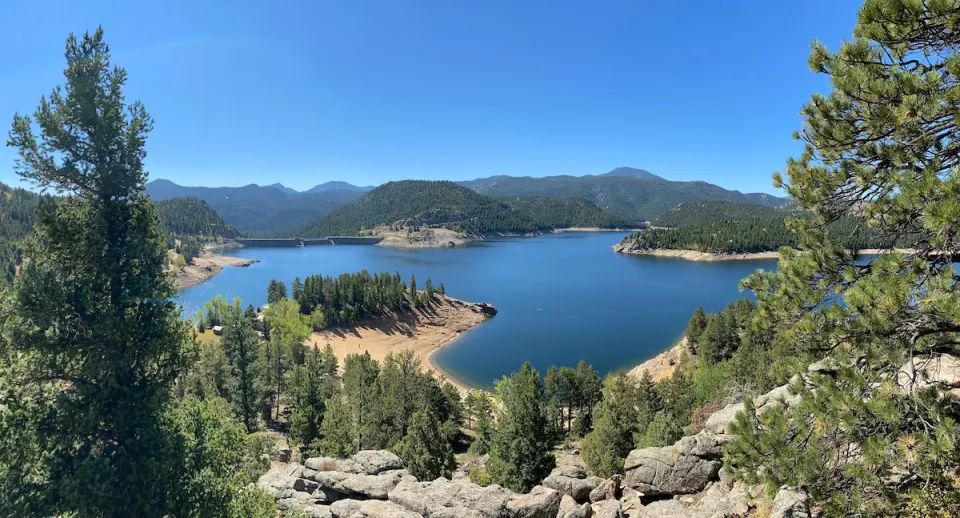
Judges permit Denver to divert 77,000 acre feet from the Colorado River for reservoir expansion
Overuse and climate change have caused the Colorado River’s water levels to plummet.

Amtrak, CN end decades-long dispute with eight-year agreement
The new operating agreement establishes an updated framework for the companies to work together, including processes to resolve disputes.

Raised interest rates may kill financially vulnerable construction projects
The chief economist at ConstructConnect warns that if construction project owners are negatively impacted by the raised rates, it could result in delayed payments to contractors.

FREE Course: Walkable City 1: Why Walkability?
After describing his path towards focusing on walkability as the essence of good planning, Jeff Speck marches through his five principal reasons for making more walkable places.
Reinventing Malls: Planning Alchemy—Turning Gray Fields Into Gold
The course focuses on the opportunities and imperatives that shape reinvention of mall sites.

KFH Group Inc.
Greater Baltimore Committee
Eagle County Government
The Architects Foundation
University of Cincinnati Online
The Pocatello Development Authority
The Urban Renewal Agency of the City of Pocatello