A plan from the state’s State Historic Preservation Commission outlines priorities for preserving Oregon’s cultural and historic resources.


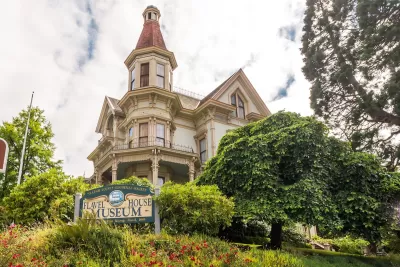
A newly released plan from the Oregon State Historic Preservation Office outlines the state’s plan for preserving “special traditions, collections and places” categorized under four key areas: building the heritage community; preservation planning; identifying, evaluating, designating, and treating cultural resources; federal , state, and local government; and information technology tools.
As a KTVZ article explains, “The plan includes goals and objectives to address each issue, and work to include more people and broaden the scope of the history preserved it threaded through the response to each issue.” The plan calls for proactively identifying cultural resources and planning for their future, increasing government transparency and efficiency in preservation efforts, and digitizing resources and collections from various institutions.
The document encourages collaboration between various stakeholders including federal, local, and tribal governments, local museums and historical societies, community groups, and others. “The plan emphasizes how these actors can take action and work together to enhance livability, community connection, and economic development through preservation of and access to cultural resources.”
Read the full story: 2024-2033 statewide plan for preserving Oregon’s historic places released

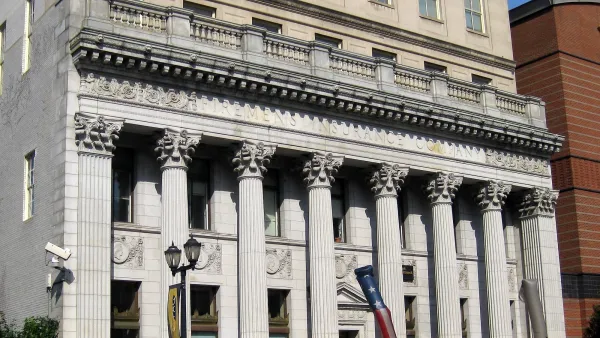
Historic Newark building to become affordable housing
The century-old building will be converted into nearly 200 homes with ground-floor retail.
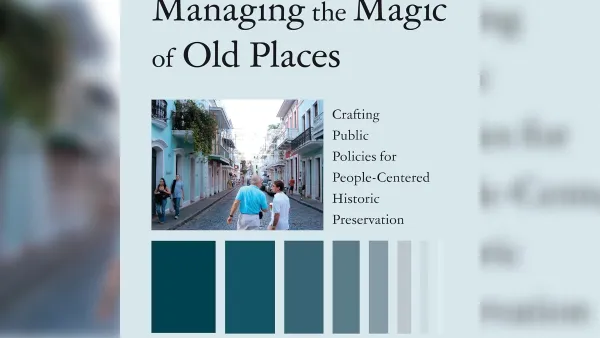
A call for people-centered historic preservation
'Managing the Magic of Old Places' offers a new vision for preservation that maintains its relevance while prioritizing the lived experience of residents of historic places.
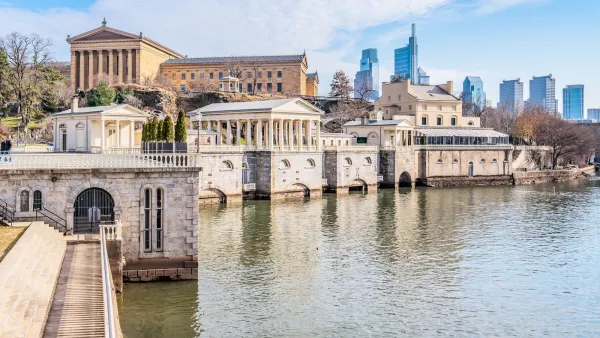
Pennsylvania’s Historic Sites are Under Threat From Rising Waters
The state has one of the nation’s highest concentrations of registered historic sites — and some face destruction from flooding.

Planetizen Federal Action Tracker
A weekly monitor of how Trump’s orders and actions are impacting planners and planning in America.

The state-sanctioned urbicide of Austin
People don’t kill cities. Freeways do.

Colorado’s Largest Data Center Could Rise Next to Homes — Without a Public Hearing
The proposed campus would consume 11 times the power of Denver International Airport; as it has across the country, opposition mounts.

Nation's most wind-powered state turns to coal as data centers increase energy demand
For the first time in decades, Iowa has increased its generation of coal power.

NYC cools commuters with city's first rain garden above a bus stop
New York City officials say the plants in the rain garden can absorb 16 gallons of rainwater during heavy storms.

Brightline West’s future may rely on $6 billion federal loan
The company has until Nov. 2 to make a $400 million equity investment into its proposed high-speed rail line.

FREE Course: Walkable City 1: Why Walkability?
After describing his path towards focusing on walkability as the essence of good planning, Jeff Speck marches through his five principal reasons for making more walkable places.
Reinventing Malls: Planning Alchemy—Turning Gray Fields Into Gold
The course focuses on the opportunities and imperatives that shape reinvention of mall sites.

Greater Baltimore Committee
Eagle County Government
Harvard University Graduate School of Design
The Architects Foundation
University of Cincinnati Online
The Pocatello Development Authority
The Urban Renewal Agency of the City of Pocatello
Journal of the American Planning Association