In Nevada, efforts to conserve water include a ban on ornamental grass and regulations on swimming pool sizes.


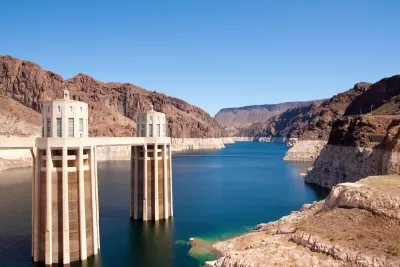
Nevada and other Western states face another round of water restrictions as the water level in major reservoirs along the Colorado River continues to fall to historic lows.
As Jennifer Solis explains in the Nevada Current, “Water in Lake Mead is projected to fall below 1,075 feet in 2025, an elevation that would trigger a water shortage, according to a 24-month study by the Bureau of Reclamation.” The reservoir is currently at 37 percent capacity, threatening its ability to deliver water or produce hydroelectric power.
“States in both the lower and upper Colorado River basin are each allocated 7.5 million acre-feet of water, for a total of 15 million acre-feet. But officials acknowledge only 12.4 million acre-feet flows from the river each year, and flows continue to shrink due to climate change.” Solis notes that Nevada has not been using its full annual water allocation thanks to recent conservation efforts that include a ban on ornamental grass in many public spaces and limits on the size of swimming pools. “The Southern Nevada Water Authority managed to reduce individual water use to 89 gallons per person per day last year, the lowest since the early 1990s. But hotter, drier conditions this summer means water use per person is likely to increase this year.”
The Bureau of Reclamation expects that Lake Mead’s water level could fall far enough to trigger a Tier 2 shortage and deeper cuts by the end of 2025.
FULL STORY: Another year of water cuts for lower Colorado River Basin states, feds say

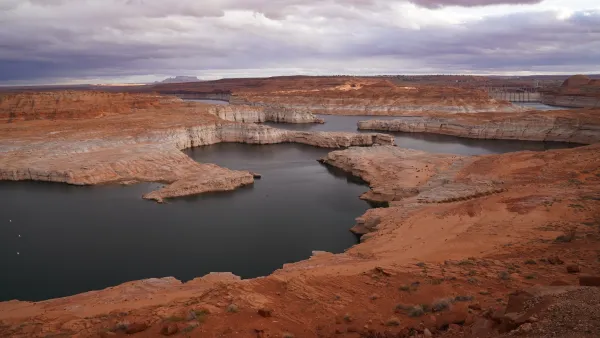
Lake Powell reaches lowest water level on record
Reservoirs along the Colorado River are seeing some of the lowest water flows ever, prompting questions about the future of communities in the basin.
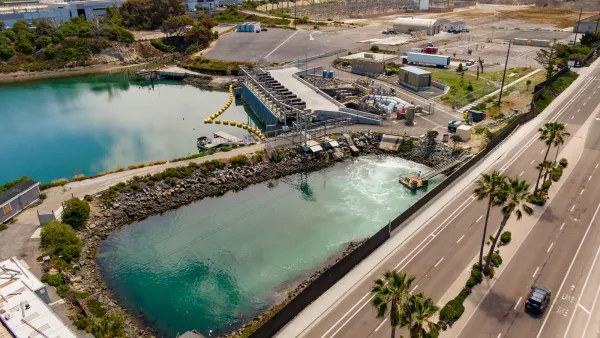
New agreement would let Arizona, Nevada use water from California desalination plant
The plan will help reduce strain on Lake Mead during extreme drought periods.
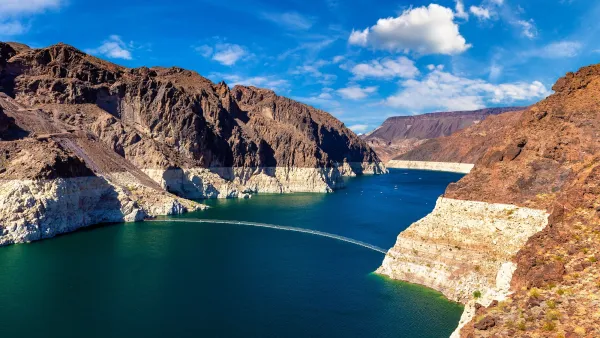
Deadline Nears for Colorado River Water Sharing Agreement
Water officials from the seven Colorado River Basin states are still at odds over how to manage dwindling water resources as current regulations are set to expire in February.

The state-sanctioned urbicide of Austin
People don’t kill cities. Freeways do.

US to reduce Colorado River water deliveries to Mexico
A new Colorado Treaty amendment reduces Mexico’s Colorado River water allocation by 250,000 acre feet.

New Jersey’s second-largest city bans standalone data centers
Jersey City will continue to allow co-location facilities, such as those meant for research institutions that store their own data.

Amtrak not solely to blame for New Jersey commuter rail's unreliability, report finds
A new study from the Garden State Initiative found that NJ Transit’s budget grew 20% across a 4 year period, but reliability declined significantly over the same period.

EPA erases limits on planet-warming pollution from power plants
Under Monday’s plan, power plants would still have some limits on how much mercury, arsenic and other contaminants they can emit.

Phoenix announces new on-demand transit service, more frequent RAPID buses
Both new services will launch in October, and are part of Phoenix's Project Effective Access Solutions for Easing Congestion.

FREE Course: Walkable City 1: Why Walkability?
After describing his path towards focusing on walkability as the essence of good planning, Jeff Speck marches through his five principal reasons for making more walkable places.
Reinventing Malls: Planning Alchemy—Turning Gray Fields Into Gold
The course focuses on the opportunities and imperatives that shape reinvention of mall sites.

Eagle County Government
Harvard University Graduate School of Design
Nashville Planning Department
The Architects Foundation
University of Cincinnati Online
The Pocatello Development Authority
The Urban Renewal Agency of the City of Pocatello
Journal of the American Planning Association