As heat waves become more frequent and severe, hospitals are seeing more patients admitted with serious, sometimes life-threatening burns from asphalt and other outdoor surfaces.


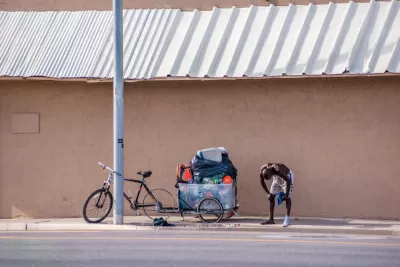
Severe burns from contact with hot outdoor surfaces are becoming more common in the Southwest, where temperatures are hitting record highs.
According to an article by Adeel Hassan and Isabelle Taft in The New York Times, unhoused people, the elderly, and children are among some of the groups most vulnerable to these types of burns. Patients often require surgery and, in some cases, the burns can be fatal.
When air temperature rises, surfaces like asphalt and concrete become superheated. “For example, when the air temperature in Las Vegas reaches 115 degrees — as it did seven days in a row last week — the pavement temperature can climb to 160 degrees. At that intensity, it takes a few seconds of contact to sustain a second-degree burn, and a few minutes to get a third-degree burn.”
In 2023, The Arizona Burn Center in Phoenix admitted 136 patients for contact burns, 14 of whom died. So far this year, 50 patients have been admitted and four have died.
FULL STORY: Burns From Scorching-Hot Sidewalks and Roads Are Rising, and Can Be Fatal

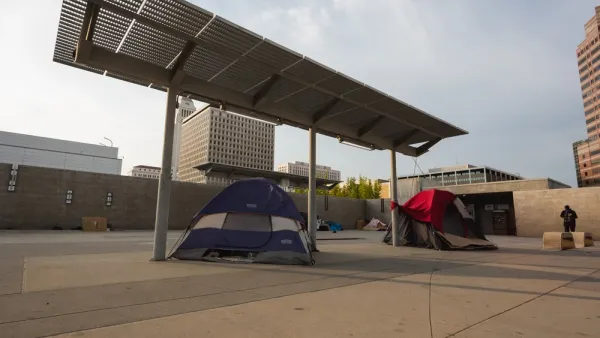
Extreme Heat Responsible for Growing Death Rates Among Unhoused People
Extreme heat events like the ‘heat dome’ that baked Southern California last summer kill a disproportionate number of people experiencing homelessness, who have fewer resources to protect themselves from the scorching sun.

How Extreme Heat Impacts Children
As summers get hotter and more dangerous, parents can take steps to protect kids from heat-related illnesses.

Study: Heat Deaths on the Rise, Predicted to Increase
As intense heat waves become more common, the risk of heat-related deaths is rising.

Planetizen Federal Action Tracker
A weekly monitor of how Trump’s orders and actions are impacting planners and planning in America.

The state-sanctioned urbicide of Austin
People don’t kill cities. Freeways do.

US to reduce Colorado River water deliveries to Mexico
A new Colorado Treaty amendment reduces Mexico’s Colorado River water allocation by 250,000 acre feet.

Colorado’s Largest Data Center Could Rise Next to Homes — Without a Public Hearing
The proposed campus would consume 11 times the power of Denver International Airport; as it has across the country, opposition mounts.

5 New England states march closer to 800 megawatt wind energy project
Securing federal approval for the project may be complicated under the Trump administration, which has historically been hostile towards domestic wind power.

Baltimore to break ground on $50 million Transit Priority Project
The project will bring faster bus trips, safer streets and better bike connections to Baltimore.

FREE Course: Walkable City 1: Why Walkability?
After describing his path towards focusing on walkability as the essence of good planning, Jeff Speck marches through his five principal reasons for making more walkable places.
Reinventing Malls: Planning Alchemy—Turning Gray Fields Into Gold
The course focuses on the opportunities and imperatives that shape reinvention of mall sites.

Eagle County Government
Harvard University Graduate School of Design
Nashville Planning Department
The Architects Foundation
University of Cincinnati Online
The Pocatello Development Authority
The Urban Renewal Agency of the City of Pocatello
Journal of the American Planning Association