Nonprofit housing operators across the country face almost $10 billion in rent debt.



In a report for The Seattle Times, Greg Kim highlights the growing crisis facing nonprofit operators of low-income housing in Seattle and around the country. According to Kim, unpaid rent debt in the Seattle area totals roughly $170 million. “The Seattle Housing Authority, a public housing agency, saw a threefold increase in tenants with overdue rent over the last four years, going from 554 tenants at the start of 2019 to 1,784 at the beginning of this year. Currently, about 23% of tenants are behind on rent.”
Now, housing providers face the decision to evict non-paying tenants so that they can continue providing services. “Many housing providers say the amount of overdue rent has grown dramatically since before the pandemic and is hurting their ability to maintain and build more affordable housing in a region and nation that is starved for it.”
Kim explains that the pandemic hit low-income renters hard in multiple ways. In addition to losing jobs and income, many tenants saw their rent spike in housing where rent costs are tied to median income. “In Seattle and King County, the median income spiked during the pandemic due to ‘very high wage earners skewing the top,’ said Nona Raybern, communications manager at Seattle’s Office of Housing. That resulted in maximum rents increasing by about 36% in the last five years.”
FULL STORY: Unpaid rent in low-income housing skyrocketed, evictions may be next

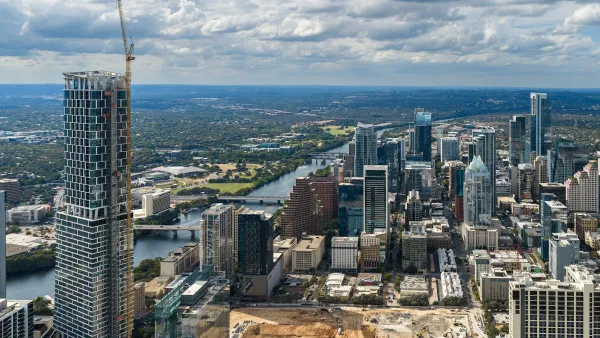
Austin rents are down — yet evictions spiked by 30%
Austin landlords filed a record number of evictions last year.
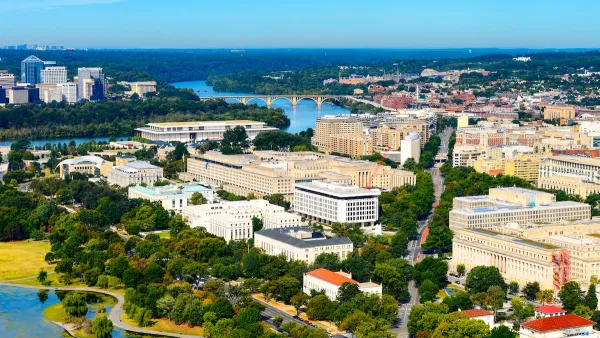
DC Council Moves to Roll Back Renter Protections as Affordable Housing Providers Struggle
The District could tighten the rules for a pandemic-era housing assistance program and speed up the eviction process.
DC Affordable Housing Faces ‘Existential Crisis’
Housing developers in the District say the industry is on the verge of collapse due to ballooning unpaid rent debts.

Planetizen Federal Action Tracker
A weekly monitor of how Trump’s orders and actions are impacting planners and planning in America.

The state-sanctioned urbicide of Austin
People don’t kill cities. Freeways do.

US to reduce Colorado River water deliveries to Mexico
A new Colorado Treaty amendment reduces Mexico’s Colorado River water allocation by 250,000 acre feet.

5 New England states march closer to 800 megawatt wind energy project
Securing federal approval for the project may be complicated under the Trump administration, which has historically been hostile towards domestic wind power.

Baltimore to break ground on $50 million Transit Priority Project
The project will bring faster bus trips, safer streets and better bike connections to Baltimore.

Airbnb launches $250 million 'last-dollar financing' housing accelerator, makes first investment in Austin
The company will put $6.4 million towards affordable housing development in Texas’ capital.

FREE Course: Walkable City 1: Why Walkability?
After describing his path towards focusing on walkability as the essence of good planning, Jeff Speck marches through his five principal reasons for making more walkable places.
Reinventing Malls: Planning Alchemy—Turning Gray Fields Into Gold
The course focuses on the opportunities and imperatives that shape reinvention of mall sites.

Eagle County Government
Harvard University Graduate School of Design
Nashville Planning Department
The Architects Foundation
University of Cincinnati Online
The Pocatello Development Authority
The Urban Renewal Agency of the City of Pocatello
Journal of the American Planning Association