In 2023, there were more than twice as many adaptive reuse projects underway around the country as in prior years.


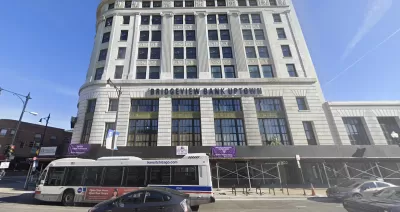
In an article for CoStar News, Katie Burke describes some major adaptive reuse projects that are converting office buildings into housing or other uses. “There are about 100 such conversion projects underway across major cities in the United States, according to CoStar and data from brokerage giant CBRE. That is a significant spike compared to the annual average of about 40 office conversions between 2016 and 2022.”
Almost half of the properties are being converted into multifamily housing, while around 20 percent are being converted to life sciences uses. While conversion isn’t possible or efficient for all office buildings, many of them lend themselves to adaptive reuse.
See the source article for a list of significant conversion projects from around the country, complete with photos.
FULL STORY: How 2023 Became a Year for Office Conversions

Record Number of Office-to-Apartment Conversions in 2024
More than 55,000 apartments across the U.S. are scheduled for conversion from old office space this year, according to a new report.
Co-living ‘Microapartments’ Cost Half as Much to Build as Typical Studios
In 10 major U.S. metros, an analysis found that converting office buildings to small co-living units could dramatically cut the costs of construction.
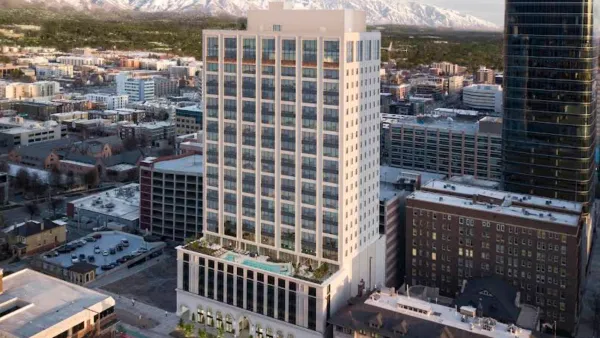
1960s Salt Lake City Tower Transformed Into 217 Luxury Housing Units
The new Seraph building may herald a new era of adaptive reuse in downtown Salt Lake City.

The state-sanctioned urbicide of Austin
People don’t kill cities. Freeways do.

US to reduce Colorado River water deliveries to Mexico
A new Colorado Treaty amendment reduces Mexico’s Colorado River water allocation by 250,000 acre feet.

New Jersey’s second-largest city bans standalone data centers
Jersey City will continue to allow co-location facilities, such as those meant for research institutions that store their own data.

Amtrak not solely to blame for New Jersey commuter rail's unreliability, report finds
A new study from the Garden State Initiative found that NJ Transit’s budget grew 20% across a 4 year period, but reliability declined significantly over the same period.

EPA erases limits on planet-warming pollution from power plants
Under Monday’s plan, power plants would still have some limits on how much mercury, arsenic and other contaminants they can emit.

Phoenix announces new on-demand transit service, more frequent RAPID buses
Both new services will launch in October, and are part of Phoenix's Project Effective Access Solutions for Easing Congestion.

FREE Course: Walkable City 1: Why Walkability?
After describing his path towards focusing on walkability as the essence of good planning, Jeff Speck marches through his five principal reasons for making more walkable places.
Reinventing Malls: Planning Alchemy—Turning Gray Fields Into Gold
The course focuses on the opportunities and imperatives that shape reinvention of mall sites.

Eagle County Government
Harvard University Graduate School of Design
Nashville Planning Department
The Architects Foundation
University of Cincinnati Online
The Pocatello Development Authority
The Urban Renewal Agency of the City of Pocatello
Journal of the American Planning Association