Blockchain is far from exclusive to cryptocurrency. Smart cities have a lot to gain from the technology and can thrive with its application.




As the 21st century marches on, one of the industries benefiting the most from digital technology is city building. Smart cities use the latest information and communication technologies for citizens to share information, improve operational efficiency and provide better quality government services than ever before.
These cities use computer and internet technology to promote economic growth and vastly improve the quality of life for citizens. One of the technologies used extensively in smart cities is blockchain technology.
What is a blockchain for smart cities?
Blockchain is a decentralized digital ledger that stores ownership records for digital assets. Data stored in a blockchain cannot be changed or modified—making it one of the most secure methods of protecting digital records.
For a smart city, this is crucial, as younger populations are flocking to urban areas for promised job opportunities and progressive technological adoption. These upticks need reliable tracking technology like the blockchain—especially if urban designers want data to drive determinations about city development.
What makes blockchains so secure is their decentralized nature. Each block in the chain stores data on a separate server, making blockchains groups of servers holding different data. This is in contrast to traditional record-keeping systems, which keep all data on a single server. It’s possible to save money, have a better environmental impact, and support modern lifestyles with secure and reliable smart city tech.
How is blockchain employed in smart cities for sustained use?
One of the primary ways urban designers incorporate blockchain is in bolstered cybersecurity for critical infrastructure. For example, blockchains' protection levels have made them the standard for cybersecurity in financial institutions. Cyber attackers who try to infiltrate blockchains must be able to attack multiple servers at once, which will take a lot of resources since each server has numerous encryptions to protect it. The chances of hackers being successful against a blockchain are very low.
However, the applications of blockchain technology go far beyond protecting data transactions. Any process that requires digital record-keeping can benefit from blockchain tech. Documents like identity records, taxes and permits are all safer with blockchain in a smart city. It’s a useful tool for urban planners for building agreements and confidential blueprints—especially when working with city administrations that need to assure trust and end-to-end encryption for safety.
It’s powerful when working alongside other technologies like Internet of Things-connected devices. It can measure energy consumption to provide next steps for thoughtful grid modernization leading to low-cost, clean power distribution. It can also empower public transportation to adopt smart mobility that protects payments, tracks routes and notifies operators of maintenance needs.
The education sector in particular is poised to benefit significantly from blockchain tech. Educational institutions handle the personal data of hundreds of students and faculty members. A blockchain data network can make storing and transferring that information safer and more efficient. Local artisans and creatives could leverage it for expanding their services to Web3 assets like NFTs, especially for official city use to avoid corruptive practices and protect their intellectual property.
How do urban planners popularize blockchain?
One can apply the advantages of blockchains to governmental functions such as health care, education and legal institutions. However, the tech still has drawbacks that could concern urban designers and citizens, such as excessive data collection, overreliance on potentially inaccurate data, and upfront cost for blockchain implementation with no quantitative return on investment. The only way to popularize blockchain in smart cities is for urban planners to install it in a way that challenges these negatives and overcomes them.
Blockchains can create a digital supply chain record that provides transparency. The concerned parties can access and track items in real-time, and fear dissolves if cities use smart contracts. Smart contracts are blockchain staples that oversee agreements and execute programs when parties meet the conditions. Every facet of the city can use these to protect budgets and service quality, such as grant donors, waste disposal vehicles and ambulances.
Blockchain technology can easily combine with other digital technologies, such as artificial intelligence, wearables and mobile devices. Accentuating its versatility with these modern luxuries will increase blockchain popularity, too. It can ensure connectivity between all the devices in a network stays encrypted and stores records of their use and what transpired during an event. Spreading education about blockchain to citizens will reveal how these tools prevent fraud and provide stakeholder relief instead of jeopardizing them.
Blockchains can make smart cities greater
Blockchain technology has much to offer smart cities. The possibilities are numerous, from exceptional cybersecurity to streamlined supply and information chains. As the years go on and technology advances, smart cities will find new ways to serve their citizens.

Salt Lake City debuts new bus rapid transit line
The third BRT line in the Utah Transit Authority system connects destinations from Taylorsville to the West Valley.

AI for Planners Explained: Urban Digital Twins
When AI stops talking and starts showing.
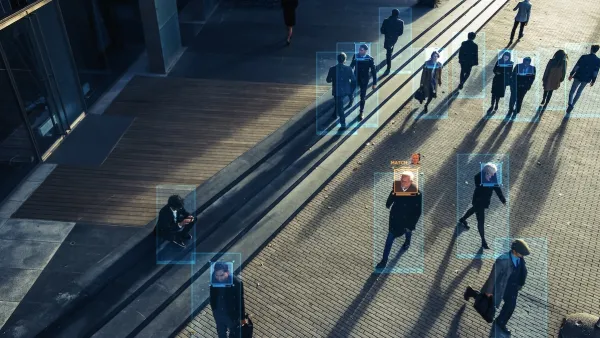
In Planning, the Possibilities With AI are High. So are the Stakes.
Planning history tells us that public trust is both fragile and essential. With AI, the time to set the right course is now.

Planetizen Federal Action Tracker
A weekly monitor of how Trump’s orders and actions are impacting planners and planning in America.

‘Going backwards:’ Baltimore mayor, students rally against state's transit funding plan
Maryland's proposed six-year plan provides no funding for Baltimore’s BMORE bus program and reduces its road maintenance funding.

Detroit to transform waterfront with $2.2 billion investment
Developers will convert about 18 acres of unused parking lot space into civic spaces.

HUD modernizes 50-year-old manufactured housing framework
The Next Generation Manufactured Housing Action Plan establishes new energy-efficiency standards for manufactured homes, and new guidelines for anchoring them.

New CA housing laws tear down development red tape
Recently-signed legislation makes building starter homes and ADUs cheaper and faster in California.

Metrolink finishes first expansion in 20 years
The transit agency is now one of very few in the United States to connect two major airports.

FREE Course: Walkable City 1: Why Walkability?
After describing his path towards focusing on walkability as the essence of good planning, Jeff Speck marches through his five principal reasons for making more walkable places.
Reinventing Malls: Planning Alchemy—Turning Gray Fields Into Gold
The course focuses on the opportunities and imperatives that shape reinvention of mall sites.

County of Mendocino
planning NEXT
City of Thousand Oaks
The Architects Foundation
University of Cincinnati Online
Montrose County
Northern Illinois Transit Authority (NITA)
The Pocatello Development Authority

