A state famous for its largest city is making a concerted effort to protect agricultural lands as part of a larger national push.


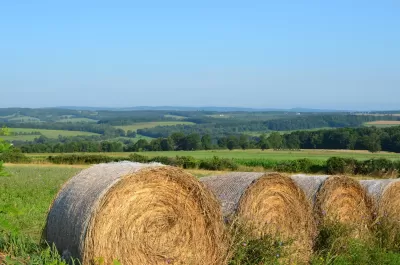
New York Governor Kathy Hochul announced in April that the state’s Farmland Protection Implementation Grant (FPIG) program had achieved a significant milestone—protecting more than 107,000 acres of New York farmland.
According to a press release from Gov. Hochul’s office, the FPIG program purchases conservation easements in an effort to contribute to the Biden administration’s 30 by 30 campaign to protect 30 percent of U.S. land by 2030.
“In Livingston, Monroe, and Wyoming Counties alone, 18,750 acres across 19 farms have been protected through the FPIG program and Genesee Valley Conservancy's partnership. An additional 11,000 acres of protected land is pending. So far, a total of $55 million in grants from the program have been invested or committed to in the area,” according to the press release.
The FPIG grant program is part of the state’s larger Farmland Protection Program, under management by the New York Department of Agriculture and Markets. Twenty percent of the land area in New York is devoted to agriculture.
FULL STORY: Governor Hochul Announces Over 100,000 Acres of Farmland Has Been Protected Across New York State

Preserving Land For Future Generations
An easement often grants a third party, mainly a utility company, limited rights to properties not belonging to them. In North Fork, Colorado, conservation easements do the opposite by preserving the "heaven here on earth," says Kathy Browning.
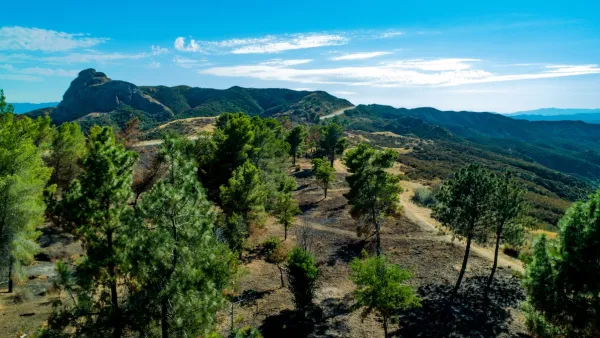
California Advances Its 30x30 Conservation Goals
California is making significant progress toward its 30x30 conservation goals, but looming federal rollbacks and gaps in biodiversity protections could threaten the state’s efforts to protect lands and coastal waters by 2030.
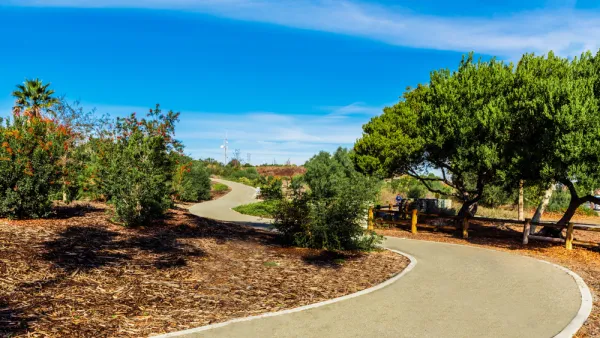
Data-Driven Effort to Re-envision Conservation and Prioritize Vulnerable Communities
The Los Angeles County Board of Supervisors has approved the 2022 Parks Needs Assessment Plus (PNA+), which focuses on environmental conservation and restoration, regional recreation, and rural recreation.

The state-sanctioned urbicide of Austin
People don’t kill cities. Freeways do.

US to reduce Colorado River water deliveries to Mexico
A new Colorado Treaty amendment reduces Mexico’s Colorado River water allocation by 250,000 acre feet.

New Jersey’s second-largest city bans standalone data centers
Jersey City will continue to allow co-location facilities, such as those meant for research institutions that store their own data.

Amtrak not solely to blame for New Jersey commuter rail's unreliability, report finds
A new study from the Garden State Initiative found that NJ Transit’s budget grew 20% across a 4 year period, but reliability declined significantly over the same period.

EPA erases limits on planet-warming pollution from power plants
Under Monday’s plan, power plants would still have some limits on how much mercury, arsenic and other contaminants they can emit.

Phoenix announces new on-demand transit service, more frequent RAPID buses
Both new services will launch in October, and are part of Phoenix's Project Effective Access Solutions for Easing Congestion.

FREE Course: Walkable City 1: Why Walkability?
After describing his path towards focusing on walkability as the essence of good planning, Jeff Speck marches through his five principal reasons for making more walkable places.
Reinventing Malls: Planning Alchemy—Turning Gray Fields Into Gold
The course focuses on the opportunities and imperatives that shape reinvention of mall sites.

Eagle County Government
Harvard University Graduate School of Design
Nashville Planning Department
The Architects Foundation
University of Cincinnati Online
The Pocatello Development Authority
The Urban Renewal Agency of the City of Pocatello
Journal of the American Planning Association