To stave off rolling blackouts during a record heat wave, California relied on dramatic conservation by households and a growing renewable energy sector.


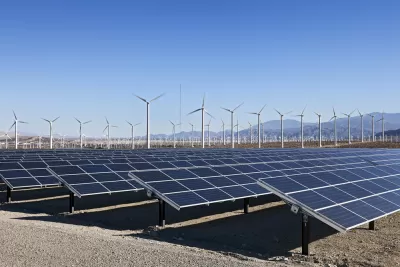
Renewable energy commitments aren’t to blame for the strain on California’s power grid, writes Jonathan Thompson in a piece for High Country News. Rather, the warming climate—caused by burning fossil fuels—is the real culprit, and shifting to renewables is one of the only ways to fight it.
On September 6, California utilities urged households to conserve energy to avoid rolling blackouts, even as temperatures across the state hit record highs. “Still, for most of that afternoon, all went smoothly on the California grid because solar and wind output was so high, offsetting about 30% of the total demand.”
In fact, Thompson writes, thanks in large part to a dramatic reduction in demand by California residents that day, “There were no statewide rolling outages, the grid stood up to extreme weather, and fossil fuel advocates’ attempt to politically weaponize the predicted blackouts fell flat.”
Thompson lists some key points to remember, “especially when you hear rhetoric about this near-miss being the result of green energy policies.” For example, California’s growing battery storage capacity and the more widespread adoption of electric vehicles, which can put power back into the grid, will enhance the stability of the state’s power supply. Ultimately, Thompson notes, the success of the state’s efforts to keep the lights on on September 6 hinged on the willingness of individual Californians to conserve during a crucial time.
Read the full story: The Green New Deal didn’t crash California’s grid

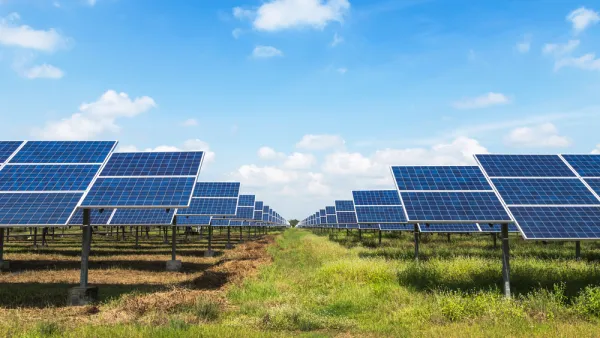
Solar Industry Growing Fast, but is Hampered by Aging Grid
One of solar’s biggest challenges is getting the energy where it needs to go.
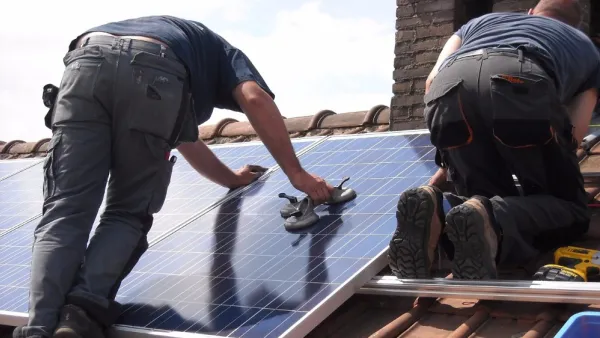
California Could Drastically Cut Solar Incentives
Rooftop solar customers in California could face higher costs and reduced incentives if a proposed overhaul of the state's solar program is approved by the Public Utilities Commission.
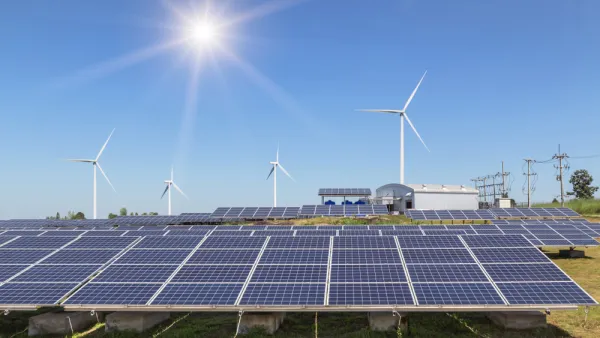
Report: U.S. Renewable Energy Production Rising Sharply
The proportion of energy produced by renewable sources in the United States has almost quadrupled in the last decade.

Planetizen Federal Action Tracker
A weekly monitor of how Trump’s orders and actions are impacting planners and planning in America.

The state-sanctioned urbicide of Austin
People don’t kill cities. Freeways do.
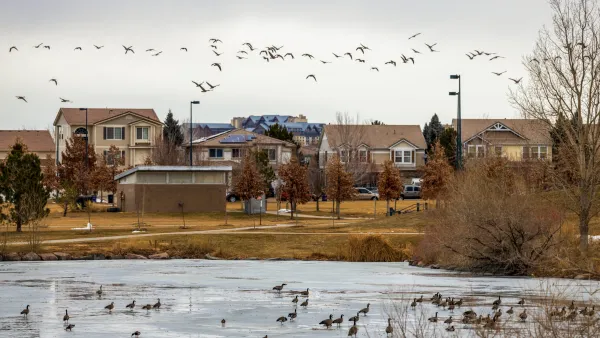
Colorado’s Largest Data Center Could Rise Next to Homes — Without a Public Hearing
The proposed campus would consume 11 times the power of Denver International Airport; as it has across the country, opposition mounts.
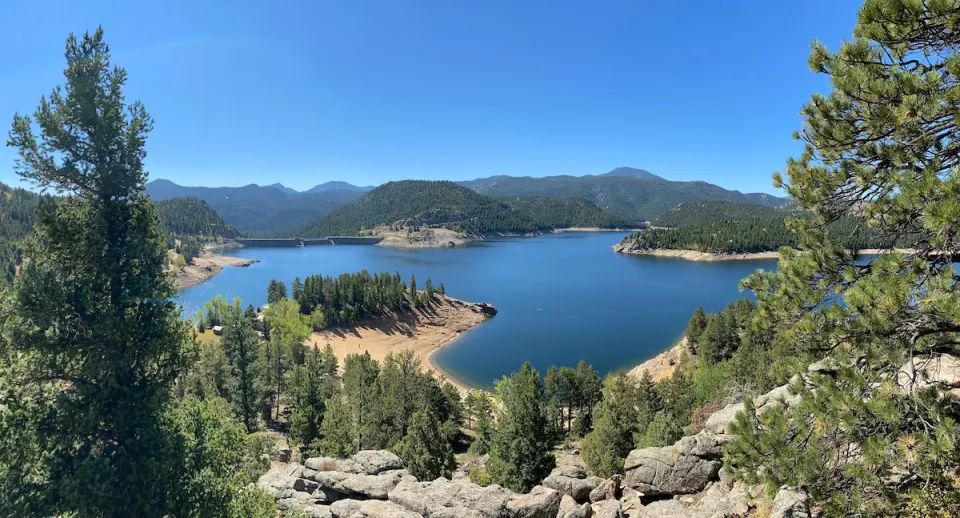
Judges permit Denver to divert 77,000 acre feet from the Colorado River for reservoir expansion
Overuse and climate change have caused the Colorado River’s water levels to plummet.

Amtrak, CN end decades-long dispute with eight-year agreement
The new operating agreement establishes an updated framework for the companies to work together, including processes to resolve disputes.
Raised interest rates may kill financially vulnerable construction projects
The chief economist at ConstructConnect warns that if construction project owners are negatively impacted by the raised rates, it could result in delayed payments to contractors.

FREE Course: Walkable City 1: Why Walkability?
After describing his path towards focusing on walkability as the essence of good planning, Jeff Speck marches through his five principal reasons for making more walkable places.
Reinventing Malls: Planning Alchemy—Turning Gray Fields Into Gold
The course focuses on the opportunities and imperatives that shape reinvention of mall sites.

KFH Group Inc.
Greater Baltimore Committee
Eagle County Government
The Architects Foundation
University of Cincinnati Online
The Pocatello Development Authority
The Urban Renewal Agency of the City of Pocatello