The much-vaunted pledge to turn vacant hotel rooms into supportive housing units has failed to materialize as hoteliers see tourism rebound and developers find regulations too onerous and expensive.


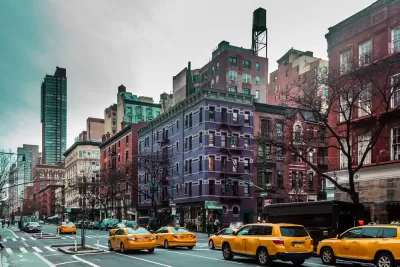
New York City’s hotel conversion program continues to yield zero results, more than a year after Mayor Eric Adams promised to create 25,000 new affordable housing units in the city’s vacant hotels. According to an article by Janaki Chadha in Politico, the program has languished in part due to influence from the Hotel Trades Council union.
Despite pledging $200 million to the Housing Our Neighbors with Dignity act, the state and city have failed to gain interest from developers wary of complicated zoning and building codes, Chadha reports. The conversion of smaller hotels to supportive housing can be prohibitively expensive, and less expensive properties may be too far from public transit and other key amenities.
Meanwhile, the union and its supporters argue that keeping hotels open creates economic development and important local jobs. According to Seth Pinsky, former head of the city’s Economic Development Corporation under Mayor Mike Bloomberg, “I do think that eventually, we’re going to have the need again for those hotel rooms. And hotel rooms not only attract visitors, which generates economic activity, but hotels tend to employ people who, in many cases, are otherwise difficult to employ.”
After dropping to 39.1 percent in September 2020, hotel occupancy in the city shot back up to 81.2 percent in the week ending September 3, 2022, signaling a strong return of the tourism sector. “As travelers once again fill the city’s inns, owners are less desperate to offload their properties — particularly for sums that affordable and supportive housing developers can match.”
FULL STORY: Success eludes New York's plan to convert hotels into affordable housing

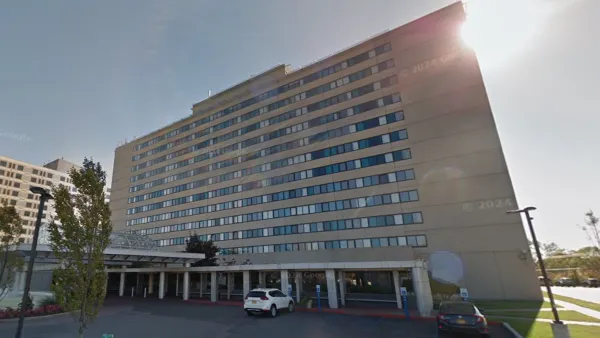
First NYC Hotel Conversion Completes Construction
A 2021 state law aimed at promoting hotel conversions has had a rocky start, only now yielding its first completed project.
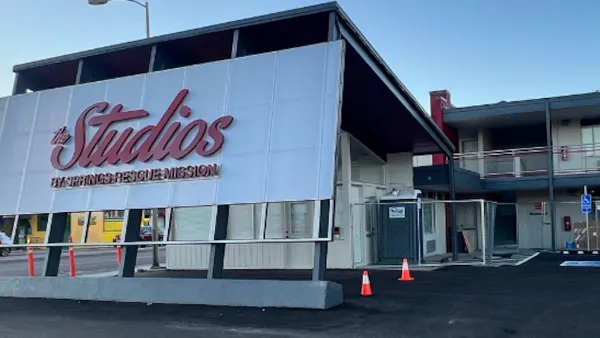
Colorado Springs Motel Converted to Supportive Housing
A vacant motel now offers 12 supportive housing units for formerly homeless women.

‘Urban-Scale’ Problems, ‘Rural-Level Resources’
Northwest Oregon towns face a growing housing crisis, but affordable housing grants are hard to come by for underresourced communities.

Planetizen Federal Action Tracker
A weekly monitor of how Trump’s orders and actions are impacting planners and planning in America.

The state-sanctioned urbicide of Austin
People don’t kill cities. Freeways do.

US to reduce Colorado River water deliveries to Mexico
A new Colorado Treaty amendment reduces Mexico’s Colorado River water allocation by 250,000 acre feet.

5 New England states march closer to 800 megawatt wind energy project
Securing federal approval for the project may be complicated under the Trump administration, which has historically been hostile towards domestic wind power.

Baltimore to break ground on $50 million Transit Priority Project
The project will bring faster bus trips, safer streets and better bike connections to Baltimore.

Airbnb launches $250 million 'last-dollar financing' housing accelerator, makes first investment in Austin
The company will put $6.4 million towards affordable housing development in Texas’ capital.

FREE Course: Walkable City 1: Why Walkability?
After describing his path towards focusing on walkability as the essence of good planning, Jeff Speck marches through his five principal reasons for making more walkable places.
Reinventing Malls: Planning Alchemy—Turning Gray Fields Into Gold
The course focuses on the opportunities and imperatives that shape reinvention of mall sites.

Eagle County Government
Harvard University Graduate School of Design
Nashville Planning Department
The Architects Foundation
University of Cincinnati Online
The Pocatello Development Authority
The Urban Renewal Agency of the City of Pocatello
Journal of the American Planning Association