A bill set to pass in the U.S. Senate would inject billions into wildlife conservation and species restoration efforts.


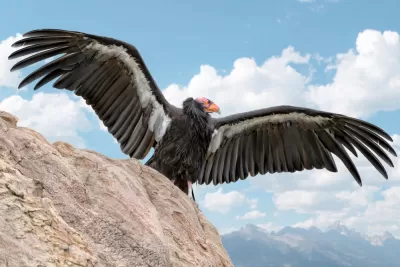
A proposed bill could be “the biggest piece of legislation for wildlife since the Endangered Species Act of 1973,” writes Benji Jones in Vox. The Recovering America’s Wildlife Act (RAWA) “passed the House in June on a bipartisan vote, and it’s poised to clear the Senate, where it has 16 Republican co-sponsors, as soon as this fall.”
According to Jones, “Roughly 80 percent of funding for state-led conservation comes from selling hunting and fishing licenses, in addition to federal excise taxes on related gear, such as guns and ammo. But these activities aren’t as popular as they once were.” The new injection of funds could help state agencies beef up their efforts. “The idea is that these funds would pay for 75 percent of each state’s Wildlife Action Plan. These are formal blueprints, drafted by each state in 2005, that detail which species are vulnerable and how the agency plans to keep them off the federal endangered species list.” But, Jones notes, states currently only have the funds for about 5 percent of their plans’ projects.
Unlike many current state initiatives, the bill also covers non-game species, which are often left out by state policies that focus resources on economically valuable species. Jones adds, “RAWA also includes nearly $100 million for the nation’s Native American tribes, which own or help manage nearly 140 million acres of land in the US (equal to about 7 percent of the continental US).”
Observers expect the bill to pass when it comes to a vote as early as September.
FULL STORY: The biggest wildlife bill since the Endangered Species Act is *this close* to becoming law

L.A. ‘Wildlife Ordinance’ to Protect Biodiversity With Zoning Changes
The Los Angeles City Planning Commission recently approved a new Wildlife Ordinance. The City Council will make the final decision about the ordinance’s approval.
Trump Administration's New CA Water Plan Chooses Farmers Over Fish
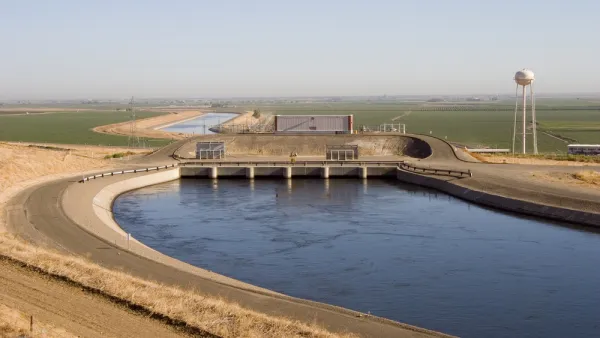
A plan to divert water to farmers in California, released at the end of October, would allow for the annihilation of winter-run Chinook Salmon.
Trump Administration Finds a Way to Divert California Water to Farmers
A new federal program will clear the way for more water to be delivered to the state of California's agriculture industry, overruling environmental safeguards that protected fish.

Planetizen Federal Action Tracker
A weekly monitor of how Trump’s orders and actions are impacting planners and planning in America.

The state-sanctioned urbicide of Austin
People don’t kill cities. Freeways do.

US to reduce Colorado River water deliveries to Mexico
A new Colorado Treaty amendment reduces Mexico’s Colorado River water allocation by 250,000 acre feet.

5 New England states march closer to 800 megawatt wind energy project
Securing federal approval for the project may be complicated under the Trump administration, which has historically been hostile towards domestic wind power.

Baltimore to break ground on $50 million Transit Priority Project
The project will bring faster bus trips, safer streets and better bike connections to Baltimore.

Airbnb launches $250 million 'last-dollar financing' housing accelerator, makes first investment in Austin
The company will put $6.4 million towards affordable housing development in Texas’ capital.

FREE Course: Walkable City 1: Why Walkability?
After describing his path towards focusing on walkability as the essence of good planning, Jeff Speck marches through his five principal reasons for making more walkable places.
Reinventing Malls: Planning Alchemy—Turning Gray Fields Into Gold
The course focuses on the opportunities and imperatives that shape reinvention of mall sites.

Eagle County Government
Harvard University Graduate School of Design
Nashville Planning Department
The Architects Foundation
University of Cincinnati Online
The Pocatello Development Authority
The Urban Renewal Agency of the City of Pocatello
Journal of the American Planning Association