New research documents the growing footprint of large institutional investors in the housing market during the pandemic, converting more and more of the nation's single-family detached housing units into rental properties.


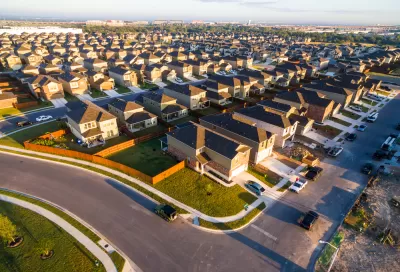
Researchers from the University of California, Berkeley, recently published a report that documents the changes in the single-family rental (SFR) industry—as fueled by the demographic and economic trends of the pandemic and the earlier foreclosure crisis and Great Recession as well as increasing investments from large institutional investors.
“The four largest public and private SFR operators together control over 200,000 homes, and the SFR asset class has boomed in the pandemic, drawing interest from a wide range of investors and spawning new business models and partnerships,” according to the study’s asset.
Using SEC filings and quarterly investor calls from the leading SFR industry companies, the report traces how institutional narratives and market strategies have changed since the Great Recession.
“As the pool of foreclosed properties has largely dried up, SFR companies are developing new strategies to increase growth and returns for shareholders, including build-for rent and partnerships with builders. During the COVID-19 pandemic, corporate SFR landlords pushed major rent increases and devoted energy to increasing revenues through ancillary fees that further add to tenants’ housing costs. Corporate landlords are actively finding ways to cut down costs, particularly through technology and the built environment of homes, as well as appealing property tax assessments.” (Fields and Vergerio)
Totaling nearly 60 pages, the report is expansive, laying out the timeline and identifying the key industry players in this market trend with the potential to completely upend the housing market and the U.S. economy.
As a response to the growing power imbalance evidenced by the trends examined in the report, the authors recommend several steps, with more detail in the report:
- Fostering greater transparency of property ownership and rental practices.
- Implementing broad-based tenant protections.
- Considering limitations on the market share of corporate landlords.
The last recommendation would create a potentially explosive controversy, hence the addition of the word "consider" in the recommendation. Still, the report's authors argue that the regions with the largest number of institutionally-owned single-family rental homes have more of a reason to consider such drastic measures than others.
FULL STORY: Corporate landlords and market power: What does the single-family rental boom mean for our housing future?

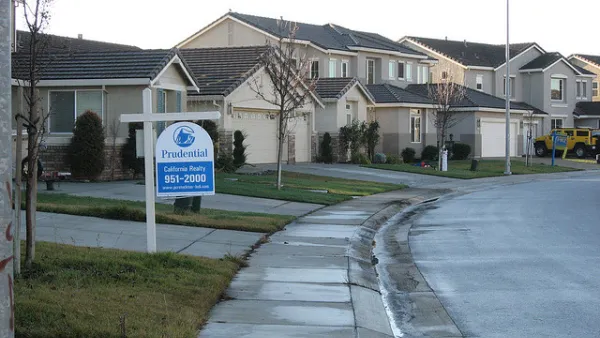
When Wall Street Controls the Housing Market
A debate about the effect of the increasing footprint of large, institutional investors in the housing market is further fragmenting the politics of development in the United States.
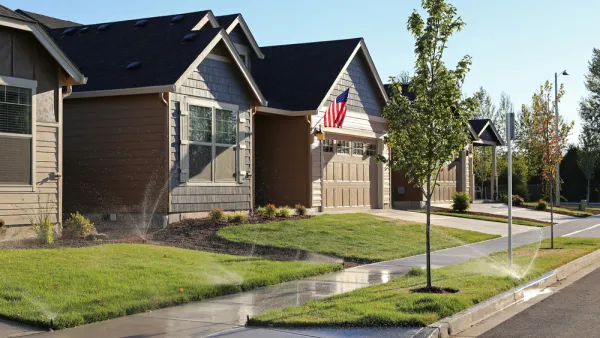
'Wall Street's Latest Real Estate Grab'
Seeing an opportunity for massive profits, private companies have snapped up homes and become corporate landlords in cities across the country.
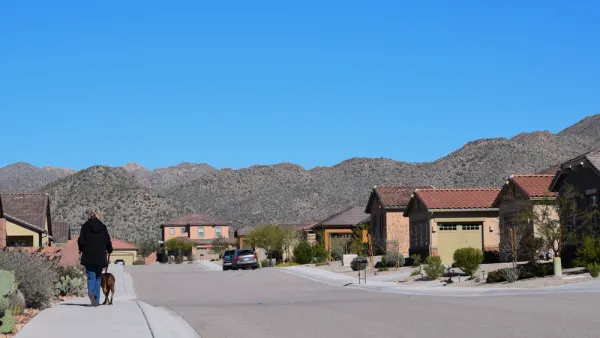
Institutional Investors Gaining a Larger Footprint in the Housing Market, Report Says
The locations with the fastest growing populations are seeing the most dramatic increase in investor-owned single-family housing rentals.

The state-sanctioned urbicide of Austin
People don’t kill cities. Freeways do.

US to reduce Colorado River water deliveries to Mexico
A new Colorado Treaty amendment reduces Mexico’s Colorado River water allocation by 250,000 acre feet.

New Jersey’s second-largest city bans standalone data centers
Jersey City will continue to allow co-location facilities, such as those meant for research institutions that store their own data.

Amtrak not solely to blame for New Jersey commuter rail's unreliability, report finds
A new study from the Garden State Initiative found that NJ Transit’s budget grew 20% across a 4 year period, but reliability declined significantly over the same period.

EPA erases limits on planet-warming pollution from power plants
Under Monday’s plan, power plants would still have some limits on how much mercury, arsenic and other contaminants they can emit.

Phoenix announces new on-demand transit service, more frequent RAPID buses
Both new services will launch in October, and are part of Phoenix's Project Effective Access Solutions for Easing Congestion.

FREE Course: Walkable City 1: Why Walkability?
After describing his path towards focusing on walkability as the essence of good planning, Jeff Speck marches through his five principal reasons for making more walkable places.
Reinventing Malls: Planning Alchemy—Turning Gray Fields Into Gold
The course focuses on the opportunities and imperatives that shape reinvention of mall sites.

Eagle County Government
Harvard University Graduate School of Design
Nashville Planning Department
The Architects Foundation
University of Cincinnati Online
The Pocatello Development Authority
The Urban Renewal Agency of the City of Pocatello
Journal of the American Planning Association