The housing frenzy brought on by the pandemic is easing up, with slower growth of median home prices and fewer offers.


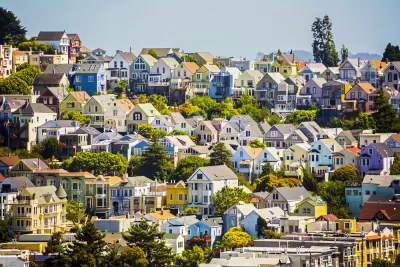
The "frenzied real estate market" of the pandemic era is starting to cool off, writes Candace Jackson, "perhaps a sign that the wild price appreciations of the past year may have scared off some buyers who prefer to wait until things calm down, to stay put or to continue renting." Median home prices stayed at $385,000 nationwide between June and July, "up 10.3 percent from last year at this time, according to the latest data from Realtor.com. It’s slower growth than the 12.7 percent increase in June 2021, and it marks the third month in a row in which the year-over-year gains have slowed."
"In 2020, the market came to a near standstill after Covid lockdowns hit in early spring — typically the busiest home buying season of the year. But it roared back to life during the summer, with people upgrading to larger homes or leaving cities for suburbia, even as inventory fell steeply across the country." This year, "[t]he most dramatic price appreciation happened in Western states and in suburban and exurban areas where buyers are looking for larger, single-family houses and relatively affordable prices."
Homes are also receiving fewer offers–two to ten as opposed to 30 to 40 in the spring–and taking slightly longer to sell.
FULL STORY: Overheated Real Estate Market Begins to Cool

Ultra-Competitive Housing Market Shows No Signs of Slowing
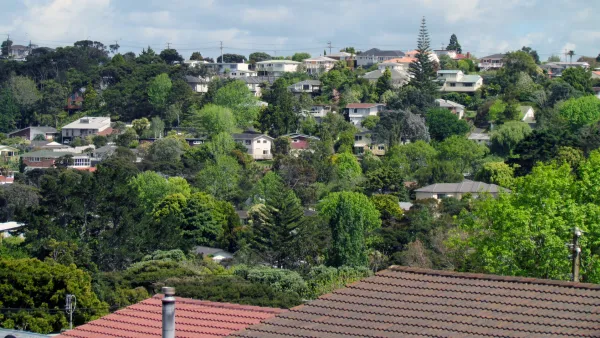
Home prices in the Puget Sound region continue to skyrocket as buyers engage in intense bidding wars and demand continues to outpace supply.
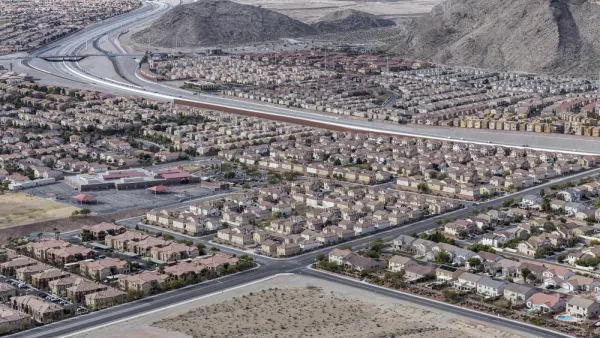
How COVID-19 and Skyrocketing Housing Costs Accelerated Sprawl
In search of space and affordability, American families are increasingly moving to suburbs and exurbs.
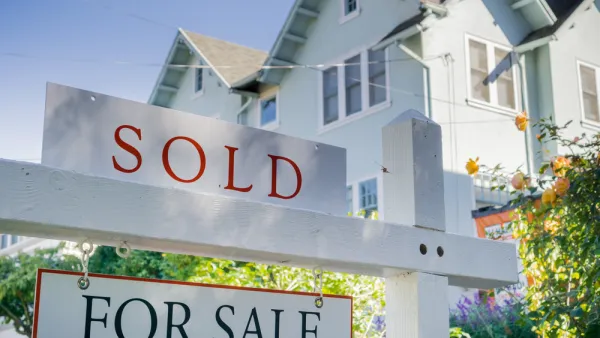
U.S. Home Sales to Foreign Buyers Drop by Almost 10 Percent
International purchases of homes on the U.S. housing market slowed in the last year.

The state-sanctioned urbicide of Austin
People don’t kill cities. Freeways do.

US to reduce Colorado River water deliveries to Mexico
A new Colorado Treaty amendment reduces Mexico’s Colorado River water allocation by 250,000 acre feet.

New Jersey’s second-largest city bans standalone data centers
Jersey City will continue to allow co-location facilities, such as those meant for research institutions that store their own data.

Amtrak not solely to blame for New Jersey commuter rail's unreliability, report finds
A new study from the Garden State Initiative found that NJ Transit’s budget grew 20% across a 4 year period, but reliability declined significantly over the same period.

EPA erases limits on planet-warming pollution from power plants
Under Monday’s plan, power plants would still have some limits on how much mercury, arsenic and other contaminants they can emit.

Phoenix announces new on-demand transit service, more frequent RAPID buses
Both new services will launch in October, and are part of Phoenix's Project Effective Access Solutions for Easing Congestion.

FREE Course: Walkable City 1: Why Walkability?
After describing his path towards focusing on walkability as the essence of good planning, Jeff Speck marches through his five principal reasons for making more walkable places.
Reinventing Malls: Planning Alchemy—Turning Gray Fields Into Gold
The course focuses on the opportunities and imperatives that shape reinvention of mall sites.

Eagle County Government
Harvard University Graduate School of Design
Nashville Planning Department
The Architects Foundation
University of Cincinnati Online
The Pocatello Development Authority
The Urban Renewal Agency of the City of Pocatello
Journal of the American Planning Association