Advanced new contact tracing measures, citizen outreach technology, and other innovations are helping these cities fight the spread of COVID-19.



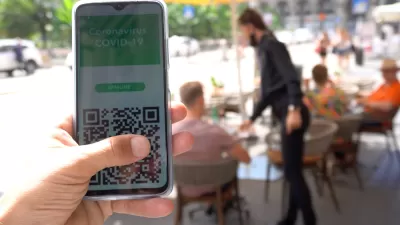
More than a year and a half after the pandemic was first declared, cities around the world are still fighting COVID-19. While an ongoing global vaccine rollout might someday help end the pandemic, city planners and managers continue to battle the spread of the virus in cities around the world.
Advanced new contact tracing measures, citizen outreach technology, and other innovations are helping these cities fight the spread of COVID-19. These new technologies may also give us an idea of how cities will stage smart or green recoveries after the pandemic.
1. Bengaluru, Karnataka, India
Sometimes called the Silicon Valley of India, Bengaluru (Banglore) is known for its large tech sector and high-tech approach to city management.
During the pandemic, the city used technology from its existing smart data hub to launch a COVID-19 tracking dashboard, expand telecare access, and monitor containment zones, according to a World Economic Forum report highlighting the response of Indian cities to the pandemic. As part of this approach, the city’s municipal corporation also developed and leveraged three different mobile phone apps.
The city’s smart approach demonstrated how municipalities could use technology to fight the spread of COVID-19, as well as how cities can leverage technology to manage future crises.
2. Daegu, South Korea
Daegu, considered the epicenter of South Korea’s COVID-19 outbreak as the disease first spread through the country in early 2020, later emerged as one of the country’s success stories. The city of nearly 2.5 million people was one of the first to deploy technologies to manage the spread of the virus.
By using the city’s data hub, officials were able to more effectively track patient routes throughout the city, identifying the spread of the virus and helping inform which kind of medical responses might work best.
3. Allen, Texas, United States
During the COVID-19 pandemic, the city of Allen, Texas, a suburb of Dallas and home to more than 100,000 people, began using the mass notification system Hyper-Reach to stay in contact with citizens.
In addition to notifying citizens about weather alerts, missing persons, and road closures, the system also enables cities to update citizens on COVID-19, providing information about the spread of the disease and related closures or service interruptions.
The town has also used the tool to send out messages to citizens during the deep freeze that impacted the state of Texas in early 2021.
4. San Jose, California, United States
In the United States, the pandemic exposed a growing digital divide. As schools moved online and businesses shifted to remote work, many feared that lower-income individuals with no stable internet access could be left behind.
The city of San Jose is one of the U.S. leaders in smart city technology and has been working with Intel since 2014 to develop high-tech infrastructure.
During the COVID-19 pandemic, the city has used federal relief funds to expand the city’s small cell network. These small cells are low-powered radio access nodes that help increase cell network coverage. Greater cell network coverage could provide citizens with more reliable access to the web, helping them stay in touch with others as much of the world moves online.
5. Florence, Italy
In Florence, existing smart traffic management tools helped city officials monitor social behavior during the pandemic. City officials used a network of cameras and Bluetooth sensors to track traffic flows and analyze compliance with lockdown measures.
The city intends to use their experience with the tech as part of a larger project that will use information from other sensors—like pollution monitors and Wi-Fi sensors—to guide city policymaking.
How COVID-19 Management Technology Has Evolved During the Pandemic
Technology experiments launched during the COVID-19 pandemic could have a transformative effect on how cities are run. Tools like traffic monitors, mass alert systems, and contact tracing tools could help city managers make more informed decisions and stay in closer contact with citizens.
As the pandemic winds down, we’re likely to see these cities lead the way in using technology to stage a global economic recovery.


Planetizen Federal Action Tracker
A weekly monitor of how Trump’s orders and actions are impacting planners and planning in America.

The state-sanctioned urbicide of Austin
People don’t kill cities. Freeways do.

US to reduce Colorado River water deliveries to Mexico
A new Colorado Treaty amendment reduces Mexico’s Colorado River water allocation by 250,000 acre feet.

5 New England states march closer to 800 megawatt wind energy project
Securing federal approval for the project may be complicated under the Trump administration, which has historically been hostile towards domestic wind power.

Baltimore to break ground on $50 million Transit Priority Project
The project will bring faster bus trips, safer streets and better bike connections to Baltimore.

Airbnb launches $250 million 'last-dollar financing' housing accelerator, makes first investment in Austin
The company will put $6.4 million towards affordable housing development in Texas’ capital.

FREE Course: Walkable City 1: Why Walkability?
After describing his path towards focusing on walkability as the essence of good planning, Jeff Speck marches through his five principal reasons for making more walkable places.
Reinventing Malls: Planning Alchemy—Turning Gray Fields Into Gold
The course focuses on the opportunities and imperatives that shape reinvention of mall sites.

Eagle County Government
Harvard University Graduate School of Design
Nashville Planning Department
The Architects Foundation
University of Cincinnati Online
The Pocatello Development Authority
The Urban Renewal Agency of the City of Pocatello
Journal of the American Planning Association

