The Emergency Relief for Affordable Multifamily Properties Program is designed to keep multi-family property owners from entering default.



Jared Brey reports on the Emergency Relief for Affordable Multifamily Properties Program (ERAMP) in Chicago, a new relief program designed to provide relief to renters during the economic downturn of the pandemic.
Mayor Lori Lightfoot and Housing Commissioner Marisa Novara announced $3 million for the program in April. "The program would offer grants or no-interest loans of up to $75,000 meant to keep multifamily properties that include affordable units from defaulting on mortgages and going into foreclosure," reports Brey.
The program's support for landlords supplements the city's existing grant program for tenants, which both use funding from the same source: the city’s Affordable Requirements Ordinance, described by Brey as "the inclusionary zoning program that requires developers to include affordable housing in new multifamily developments or else pay a fee to the city’s Affordable Housing Opportunity Fund."
"In order to receive a grant, property owners would be prohibited from evicting any tenants for at least the rest of the year," according to Brey, citing an earlier article on the program by Heather Cherone.
The grants come with the additional constraint of being made available to "projects that have received support from the city previously and that provide affordable units under a covenant," according to Brey, so some advocates are calling for support for property owners of affordable multi-family rental buildings that haven't received support from the city in the past.
FULL STORY: Chicago to Use Developers’ Fees to Protect Affordable Housing During COVID-19


Boston Affordable Housing Program Meets 1,000-Unit Goal
The program offers zero-interest loans to developers that keep rental units affordable for at least 50 years.

Report: Las Vegas, Houston Top List of Least Affordable Cities
The report assesses the availability of affordable rental units for low-income households.
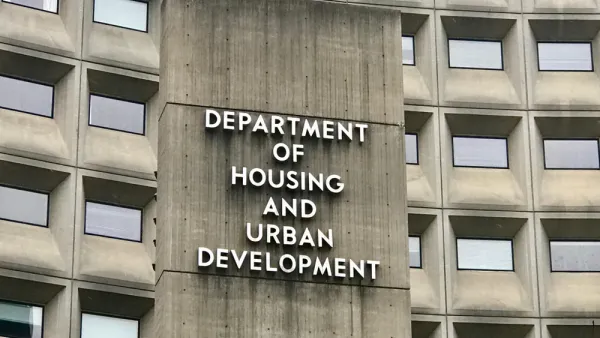
HUD Updates Fair Market Rate Definition
The U.S. Department of Housing and Urban Development announced two actions last week intended to expand the reach of federal housing voucher programs.

Planetizen Federal Action Tracker
A weekly monitor of how Trump’s orders and actions are impacting planners and planning in America.

The state-sanctioned urbicide of Austin
People don’t kill cities. Freeways do.

US to reduce Colorado River water deliveries to Mexico
A new Colorado Treaty amendment reduces Mexico’s Colorado River water allocation by 250,000 acre feet.

Brightline West’s future may rely on $6 billion federal loan
The company has until Nov. 2 to make a $400 million equity investment into its proposed high-speed rail line.

LA Metro’s ultimatum: no extra buses for LA28 if federal funding isn’t imminently secured
If Metro does not provide additional buses, LA28 organizers will have to find a new way to manage Olympic traffic. LA28’s budget does not include a line item for transit.

Colorado’s Largest Data Center Could Rise Next to Homes — Without a Public Hearing
The proposed campus would consume 11 times the power of Denver International Airport; as it has across the country, opposition mounts.

FREE Course: Walkable City 1: Why Walkability?
After describing his path towards focusing on walkability as the essence of good planning, Jeff Speck marches through his five principal reasons for making more walkable places.
Reinventing Malls: Planning Alchemy—Turning Gray Fields Into Gold
The course focuses on the opportunities and imperatives that shape reinvention of mall sites.

Eagle County Government
Harvard University Graduate School of Design
Nashville Planning Department
The Architects Foundation
University of Cincinnati Online
The Pocatello Development Authority
The Urban Renewal Agency of the City of Pocatello
Journal of the American Planning Association