Two more stories to enter into the archive for the great debate of the coronavirus pandemic: How will the public health crisis change the future of cities?


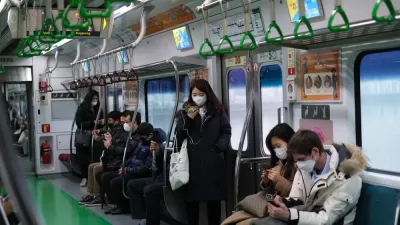
Planetizen has been closely monitoring articles that attempt to anticipate the changes in the direction of urbanism and the built environment as a result of the public health crisis presented by the coronavirus. In addition to compendia published in March and April, Planetizen Courses also hosted a digital panel discussion on the subject.
At the beginning of May, two articles, one from Foreign Policy and another from Gen, addressed the big questions facing planners in 2020. The article for Foreign Policy offers a roundtable discussion of sorts, featuring the opinions (probably already familiar to readers) of luminaries like Edward Glaeser, Richard Florida, Joel Kotkin, Janette Sadik-Kahn, and many more.
The Gen article, written by Steve Levine, predicts a "harsh future" for cities, defined by the end of the pre-pandemic resurgence of planning priority for density, as well as fiscal austerity for governments.
Read the full story: How Life in Our Cities Will Look After the Coronavirus Pandemic

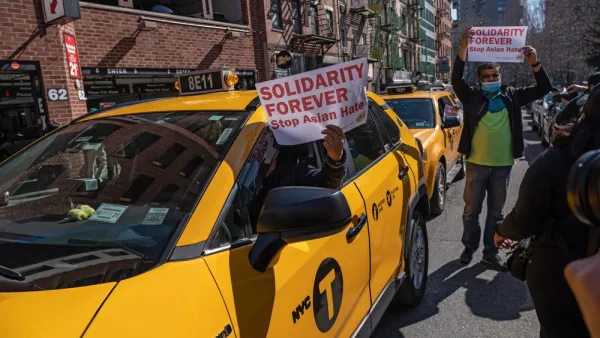
'Never Let a Good Crisis Go to Waste' and Planning in the Pandemic
The latest in a series of compendia collecting news and commentary focusing on the complexities of the COVID-19 pandemic's effect on communities.
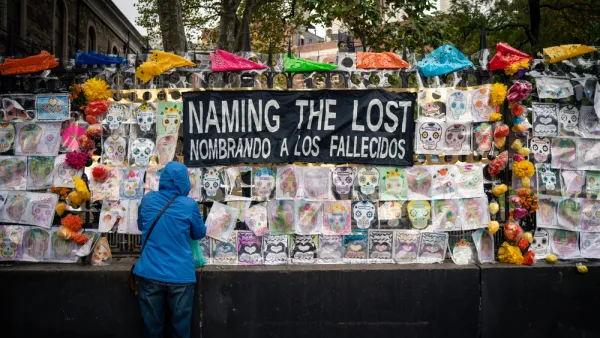
Haves and Have Nots: Planning and the Deep Divides of the Pandemic
The latest in a series of compendia gathering news and analysis about the effects of the COVID-19 on the built and natural environments—now and long into the future.
Nine Months Later: How the Pandemic Is Changing Communities
Planetizen shares the latest in a series of compendia tackling the effects of the pandemic, now and in the future, for cities and communities.

Planetizen Federal Action Tracker
A weekly monitor of how Trump’s orders and actions are impacting planners and planning in America.

Amtrak, CN end decades-long dispute with eight-year agreement
The new operating agreement establishes an updated framework for the companies to work together, including processes to resolve disputes.

Northwest rail fans eager for Sept. 30 debut of Amtrak’s Airo fleet
Get ready for that new train smell and more seats. But they won’t go faster or run more frequently on the Cascades route in Washington and Oregon.

LAX SkyLink opening delayed again, contractor won’t commit to new deadline
The project was supposed to open its doors to the public in 2023.

Caltrain may slash over one-third of its stations
If Bay Area voters reject two transit tax measures, Caltrain, BART and AC Transit will see steep service cuts.

A 'dangerous' precedent: North Carolina successfully pressures communities into voting for toll roads
Two mayors resigned from the Charlotte Regional Transportation Planning Organization after it voted in favor of the toll roads.

FREE Course: Walkable City 1: Why Walkability?
After describing his path towards focusing on walkability as the essence of good planning, Jeff Speck marches through his five principal reasons for making more walkable places.
Reinventing Malls: Planning Alchemy—Turning Gray Fields Into Gold
The course focuses on the opportunities and imperatives that shape reinvention of mall sites.

City of Thousand Oaks
City of Wisconsin Rapids
Harvard University Graduate School of Design
The Architects Foundation
University of Cincinnati Online
The Pocatello Development Authority
The Urban Renewal Agency of the City of Pocatello