Officials in cities along the East Coast are realizing that maybe they shouldn’t rebuild on land that repeatedly floods. But that’s easier said than done.


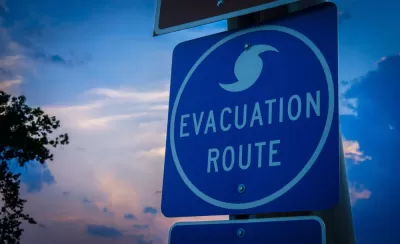
There is an extreme, persistent lack of affordable housing in the U.S. There is also an accelerating host of climate-related changes to our landscape—severe heat and drought, increased violent storms, rising sea levels, and worsening flooding. Each is a significant challenge on its own, but the lack of affordable housing and the increase in climate-related changes are related in many ways.
Lower-income households have historically been forced to live in less desirable areas—often flood-prone ones—making them more vulnerable to climate change-aggravated disasters. And where they have settled on higher ground, they may find themselves pushed out by wealthier people who are also fleeing sea level rise. Aid for recovery from frequent and severe disasters is often apportioned slowly and inequitably, compounding these problems. Meanwhile, in a cost-conscious industry, finding the funds to build affordable homes that are resilient to storms and flooding is an ongoing challenge.
While there are cities, states, and municipalities that are doing their best to make all sorts of buildings resilient, officials are usually responding to weather-related events rather than preemptively looking at issues like expected sea level rise, says Guillermo Ortiz, who formerly served as a researcher with the Center for American Progress and now works as the sustainability and diversity educational programs manager at the University of California. And when it comes to affordable housing development, the main concern is still about building more units. This is shortsighted thinking, says Ortiz. If you build 100 affordable units and then lose them in the next storm, you haven’t improved the situation.
Officials in areas like North Miami, Florida, and Princeville, North Carolina, are taking a different approach—they’re deciding not to rebuild on land that has seen its fair share of flooding and instead, they are focusing on buyouts, building on higher ground, and other mitigation efforts.
FULL STORY: Deciding Not to Rebuild After Climate-Related Disasters

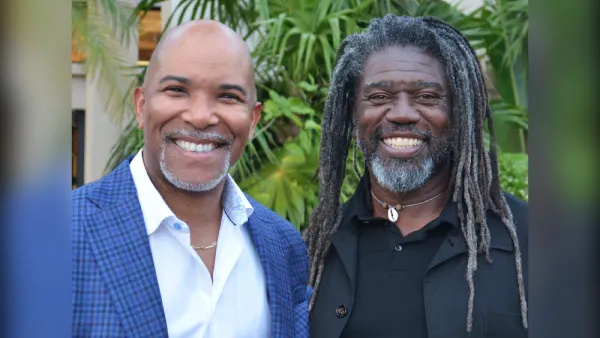
In a Warmer, Wetter and More Disaster-prone World: “Nature is the Greatest Designer”
A conversation with the American Society of Landscape Architects’ CEO Torey Carter-Conneen and board president Kona Gray.
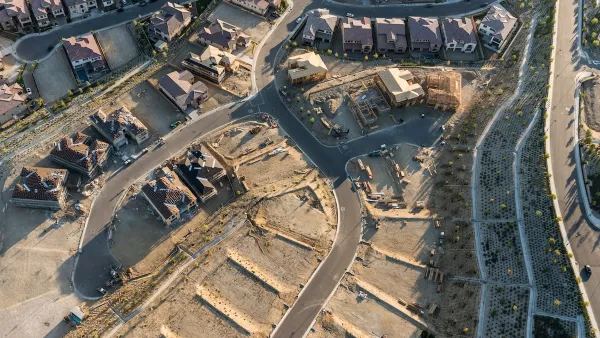
Report Outlines Strategies for Resilient Wildfire Recovery in LA
Project Recovery offers a roadmap for rebuilding more sustainable and climate-resilient communities after wildfires and other disasters.

Rebuilding After Disaster: The Role of Social Connections in Resilience
Dr. Lucy Jones emphasizes that resilience in the face of climate-driven disasters like wildfires relies on building strong social connections, which empower communities to recover and adapt to an increasingly challenging future.

Planetizen Federal Action Tracker
A weekly monitor of how Trump’s orders and actions are impacting planners and planning in America.

The state-sanctioned urbicide of Austin
People don’t kill cities. Freeways do.

US to reduce Colorado River water deliveries to Mexico
A new Colorado Treaty amendment reduces Mexico’s Colorado River water allocation by 250,000 acre feet.

Mamdani overhauls NYC's Vision Zero plan with 100 new policy goals
The overhaul aims to reduce traffic deaths and make streets safer for pedestrians, cyclists and drivers through lower speed limits, new safety infrastructure and more.

Amtrak not solely to blame for New Jersey commuter rail's unreliability, report finds
A new study from the Garden State Initiative found that NJ Transit’s budget grew 20% across a 4 year period, but reliability declined significantly over the same period.

EPA erases limits on planet-warming pollution from power plants
Under Monday’s plan, power plants would still have some limits on how much mercury, arsenic and other contaminants they can emit.

FREE Course: Walkable City 1: Why Walkability?
After describing his path towards focusing on walkability as the essence of good planning, Jeff Speck marches through his five principal reasons for making more walkable places.
Reinventing Malls: Planning Alchemy—Turning Gray Fields Into Gold
The course focuses on the opportunities and imperatives that shape reinvention of mall sites.

Eagle County Government
Harvard University Graduate School of Design
Nashville Planning Department
The Architects Foundation
University of Cincinnati Online
The Pocatello Development Authority
The Urban Renewal Agency of the City of Pocatello
Journal of the American Planning Association