Common Edge surveyed mayors and urban designers for ideas about what the next decade holds in store for cities. There were plenty of challenges in facing the world before the pandemic.


Before the impacts of the coronavirus pandemic had shut down cities in the United States, Common Edge surveyed mayors and urban designers for predictions on the next decade of life in cities. The context into which COVID-19 emerged sowed the seeds for the coming economic and public health shock of the pandemic.
All 44 mayors and 45 design leaders surveyed by Common Edge participated in the Mayors’ Institute on City Design last year. "Answers ranged from the practical to the alarmist, from the aspirational to the fantastical," according to the article, which groups responses into a few interrelated themes, such as those listed below:
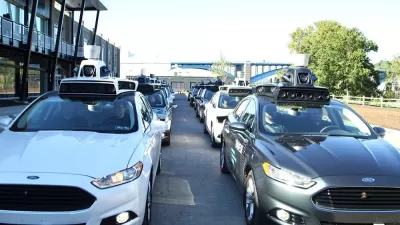
- "The Existential Threats of the Last Decade Will Shift From the Theoretical to the Urgent" – In this case, the theme focused on climate change and affordability, but also focused on questions of privacy in an era of big data and the impact of autonomous vehicles.
- "Residents Will Demand That We Do Things Differently" –The rate of change in cities will require responsive and flexible government, according to the answers provided here.
- "What’s Old Will Become New Again" – Urban residents will continue to seek authentic experiences, with an orientation to the public realm.
- "Cities Will Lead With Landscape as the Era of Single-Objective Infrastructure Ends" – Resilience will require a new, more efficient approach to infrastructure, according to this theme.
- "Cities Will Become the Primary Stewards of Social Infrastructure" – This theme predicts that climate change would require cities to lead in maintaining the "connections and glue that bind communities together," but COVID-19 might have moved up the timeline for this prediction.
FULL STORY: How Mayors and Design Leaders View the Coming Decade

The Long-Term Thinking Cities Need
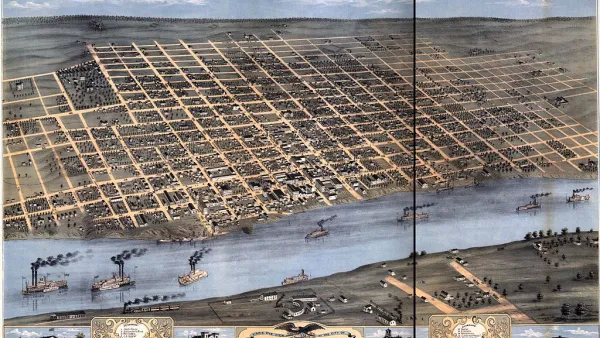
A roundtable of discussion of prominent urbanists examines the questions of urbanism with a long-term mindset.
How Coronavirus Will Change Cities, From Public to Private Lives
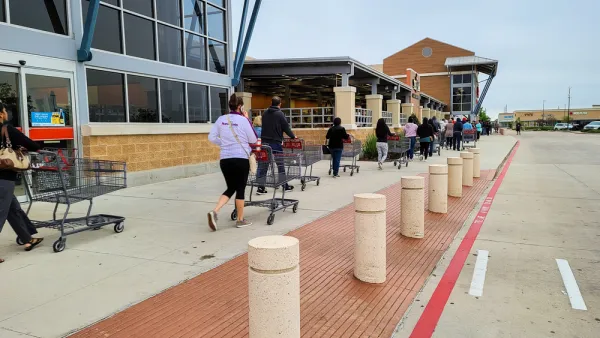
Changes are coming, but they don't have to be anti-urban, and they could mean a more resilient world for cities and communities of all shapes and sizes.
Master-Planned Cities in the Spotlight
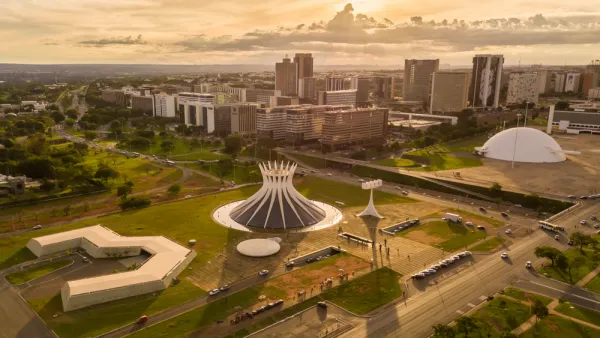
The Guardian last week published a series of articles and interactive features on the subject of the master-planned communities of the world.

Planetizen Federal Action Tracker
A weekly monitor of how Trump’s orders and actions are impacting planners and planning in America.

The state-sanctioned urbicide of Austin
People don’t kill cities. Freeways do.

US to reduce Colorado River water deliveries to Mexico
A new Colorado Treaty amendment reduces Mexico’s Colorado River water allocation by 250,000 acre feet.

5 New England states march closer to 800 megawatt wind energy project
Securing federal approval for the project may be complicated under the Trump administration, which has historically been hostile towards domestic wind power.

Baltimore to break ground on $50 million Transit Priority Project
The project will bring faster bus trips, safer streets and better bike connections to Baltimore.

Airbnb launches $250 million 'last-dollar financing' housing accelerator, makes first investment in Austin
The company will put $6.4 million towards affordable housing development in Texas’ capital.

FREE Course: Walkable City 1: Why Walkability?
After describing his path towards focusing on walkability as the essence of good planning, Jeff Speck marches through his five principal reasons for making more walkable places.
Reinventing Malls: Planning Alchemy—Turning Gray Fields Into Gold
The course focuses on the opportunities and imperatives that shape reinvention of mall sites.

Eagle County Government
Harvard University Graduate School of Design
Nashville Planning Department
The Architects Foundation
University of Cincinnati Online
The Pocatello Development Authority
The Urban Renewal Agency of the City of Pocatello
Journal of the American Planning Association