Giving dogs the opportunity to play and socialize without restraint has its roots in the free speech movement in Berkeley, California.



Alissa Greenberg writes about the origins of the dog park, a phenomenon that started in Berkeley, California, in the 1970s, as municipalities started implementing stricter leash laws. In 1979, activists from People’s Park took over an empty lot in Berkeley that had been cleared for subway construction.
"[Tom Nigman] was happy to see that, along with the demonstrations and bail fund drives for arrested protesters common at People’s Park, the new space was frequently full of dogs playing and socializing—especially during a period when they were increasingly hemmed in," says Greenberg.
The area eventually became the Ohlone Dog Park, and resident Doris Richards led much of the effort to circulate petitions in support of the dog park, organize residents, and deal with disputes around zoning and noise pollution. As interest in dog parks spread across the country and the world, Richards became an important source of information and guidance for communities wanting to establish their own pet playgrounds.
Greenberg also delves into the impact dog parks have had on the urban landscape and development, particularly in terms of gentrification, and the shift in the role of dogs in everyday life over recent decades.
"In envisioning and creating public space for dogs, [Julie] Urbanik adds, dog park proponents and designers are building on this private idea of a more-than-human family to envision a new kind of public city. A family with children believes they deserve a playground; a family with dogs believes the same," notes Greenberg.
FULL STORY: How Dog Parks Took Over the Urban Landscape

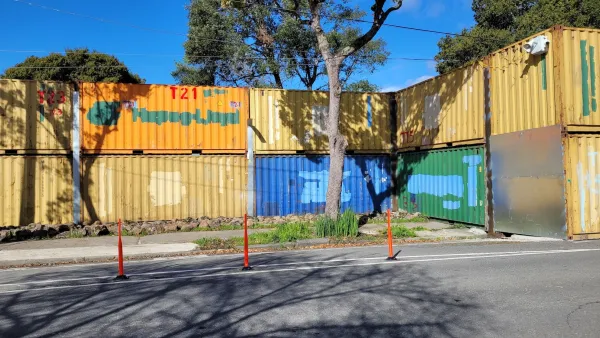
Berkeley promised to build supportive housing in People's Park. Where is it?
More than two years after People's Park was cordoned off, there is no word on a timeline for a promised affordable housing project.
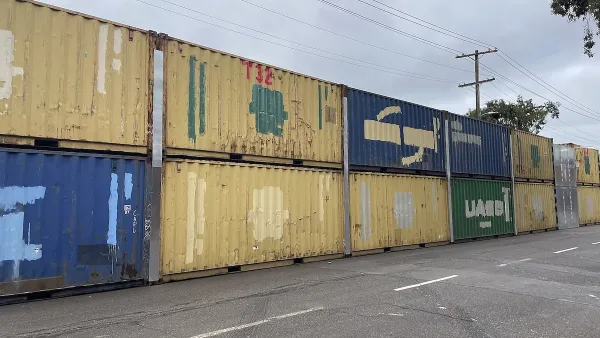
California Supreme Court Rules in Favor of People's Park Housing
The decision paves the way for a controversial student housing development.
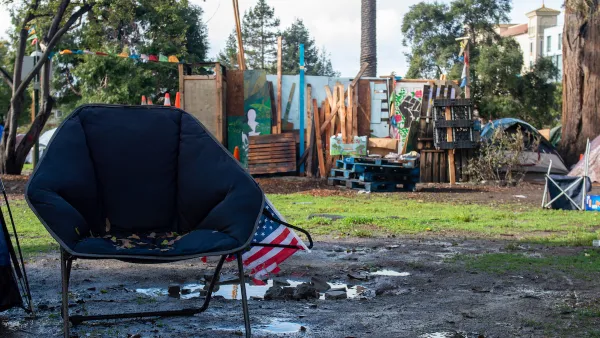
UC Berkeley Says Supportive Housing ‘Inseparable’ Part of People’s Park Project
The park remains closed to the public as a court weighs a decision on the university’s proposed housing development.

Planetizen Federal Action Tracker
A weekly monitor of how Trump’s orders and actions are impacting planners and planning in America.

The state-sanctioned urbicide of Austin
People don’t kill cities. Freeways do.

US to reduce Colorado River water deliveries to Mexico
A new Colorado Treaty amendment reduces Mexico’s Colorado River water allocation by 250,000 acre feet.

5 New England states march closer to 800 megawatt wind energy project
Securing federal approval for the project may be complicated under the Trump administration, which has historically been hostile towards domestic wind power.

Baltimore to break ground on $50 million Transit Priority Project
The project will bring faster bus trips, safer streets and better bike connections to Baltimore.

Airbnb launches $250 million 'last-dollar financing' housing accelerator, makes first investment in Austin
The company will put $6.4 million towards affordable housing development in Texas’ capital.

FREE Course: Walkable City 1: Why Walkability?
After describing his path towards focusing on walkability as the essence of good planning, Jeff Speck marches through his five principal reasons for making more walkable places.
Reinventing Malls: Planning Alchemy—Turning Gray Fields Into Gold
The course focuses on the opportunities and imperatives that shape reinvention of mall sites.

Eagle County Government
Harvard University Graduate School of Design
Nashville Planning Department
The Architects Foundation
University of Cincinnati Online
The Pocatello Development Authority
The Urban Renewal Agency of the City of Pocatello
Journal of the American Planning Association