North Carolina cities are thriving, but rural counties are not experiencing the same level of growth. Still, residents in rural areas say the numbers do not necessarily capture the whole picture.


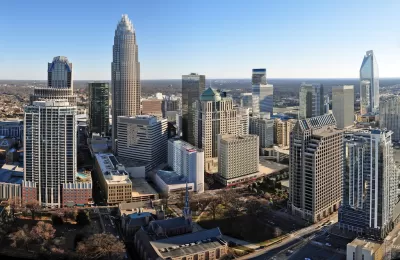
Bruce Henderson and Danielle Chemtob take a closer look at the urban-rural divide through what is happening in North Carolina. The population of the state is increasing, but growth has been uneven. In terms of population, employment, and median household income, urban counties are seeing positive changes, while the state’s rural counties are lagging behind.
"The economic connection between cities and their surroundings is vital, [experts] say. Outlying counties are where food is grown, thousands of commuters live and city folk recreate. For all the millions of dollars invested in cities, [Brian] Dabson and others say, they will prosper only as well as their regions do," write Henderson and Chemtob.
While the statistics paint a somewhat dire picture, Henderson and Chemtob also describe rural areas where residents say their quality of life is good and they do not miss the amenities cities have to offer. A number of rural towns have also successfully reinvented themselves through tourism and diversified industrial bases.
And the division and differences between urban and rural areas may not be so clear-cut, they add. "Some cities struggle economically, after all, while many rural places thrive. Small towns, suburbs and commuter corridors act as bridges between them — all suffering traffic congestion, a shortage of affordable housing and loss of farmland to sprawl."
FULL STORY: NC cities grow at record pace while rural counties fall behind

The Blue Beltway
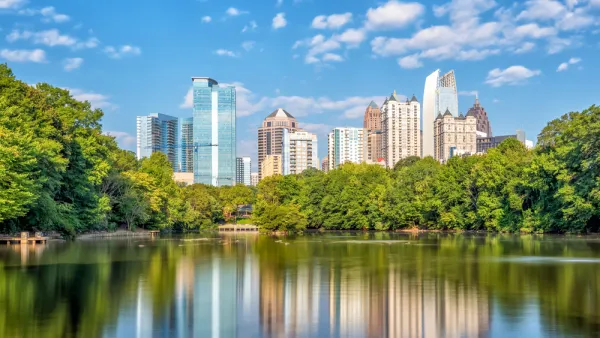
Ronald Brownstein, a senior editor at The Atlantic, coins a new political-geographic term in the wake of the Georgia U.S. Senate runoff elections to describe a shift in the political alignment of nearly all large metropolitan areas in the nation.
Study: How Beauty Is a Boon for Cities
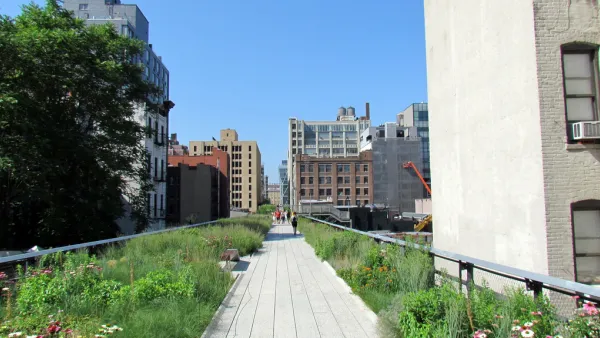
Richard Florida discusses a study finding a range of connections between a city or neighborhood's aesthetic appeal and its economic health.
When Cities Prosper, Rural Areas Are Better Off
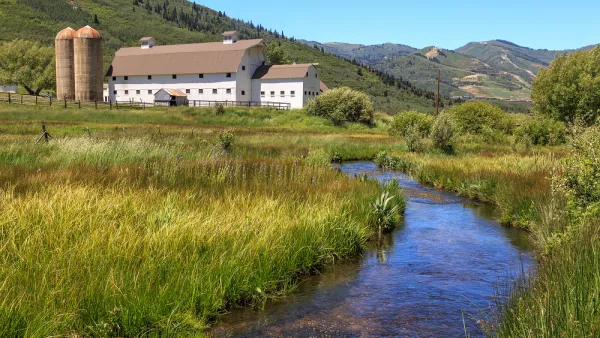
The pitting of cities and rural communities against one another is the wrong approach. Instead, policies that help cities thrive will benefit rural areas in the long run.

The state-sanctioned urbicide of Austin
People don’t kill cities. Freeways do.

US to reduce Colorado River water deliveries to Mexico
A new Colorado Treaty amendment reduces Mexico’s Colorado River water allocation by 250,000 acre feet.

New Jersey’s second-largest city bans standalone data centers
Jersey City will continue to allow co-location facilities, such as those meant for research institutions that store their own data.

Amtrak not solely to blame for New Jersey commuter rail's unreliability, report finds
A new study from the Garden State Initiative found that NJ Transit’s budget grew 20% across a 4 year period, but reliability declined significantly over the same period.

EPA erases limits on planet-warming pollution from power plants
Under Monday’s plan, power plants would still have some limits on how much mercury, arsenic and other contaminants they can emit.

Phoenix announces new on-demand transit service, more frequent RAPID buses
Both new services will launch in October, and are part of Phoenix's Project Effective Access Solutions for Easing Congestion.

FREE Course: Walkable City 1: Why Walkability?
After describing his path towards focusing on walkability as the essence of good planning, Jeff Speck marches through his five principal reasons for making more walkable places.
Reinventing Malls: Planning Alchemy—Turning Gray Fields Into Gold
The course focuses on the opportunities and imperatives that shape reinvention of mall sites.

Eagle County Government
Harvard University Graduate School of Design
Nashville Planning Department
The Architects Foundation
University of Cincinnati Online
The Pocatello Development Authority
The Urban Renewal Agency of the City of Pocatello
Journal of the American Planning Association